
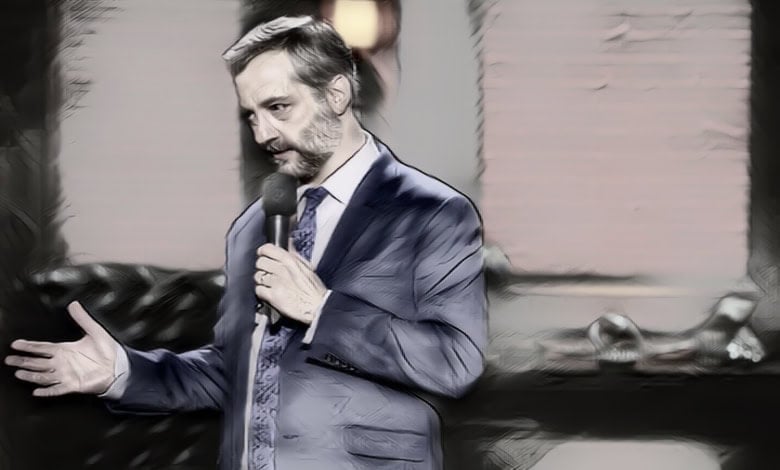
The Real Reason Hollywood Comedy Is Struggling: It’s Not Just Streaming
Judd Apatow recently suggested streaming services are to blame for the decline of big-screen comedy.however, this description overlooks a far more significant and complex issue plaguing the industry. It’s a cultural shift, and ignoring it is indeed a disservice to understanding why audiences aren’t flocking to R-rated comedies like they once did.
Many industry insiders argue that “wokeness” has fundamentally altered the landscape of comedic storytelling. This isn’t about political correctness, but a pervasive fear of causing offense that stifles creativity and risk-taking. Let’s delve into the factors at play, and why Apatow’s assessment falls short.
The “Woke” Factor & The Comedy Chill
Several voices within Hollywood are speaking out about a chilling effect on comedic expression. The idea that comedy is “broken” isn’t new, and a growing body of work explores this phenomenon.
* “The Hangover” director Todd Phillips famously exited the comedy genre, citing an inability to write jokes as he once did.
* A book, “Virtue Bombs: How Hollywood Lost the Plot,” directly addresses the issue, detailing how cultural sensitivities are impacting comedic output.
* Industry professionals, like those at Film Threat, assert that streaming isn’t the culprit – Hollywood’s self-imposed restrictions are.
Essentially, the industry is operating under a new set of unwritten rules. These rules prioritize avoiding offense over generating genuine laughs. This fear extends to studio executives, some of whom are reportedly “thin-skinned” and hesitant to greenlight possibly controversial material.
Patricia Heaton, a sitcom veteran, recently shared a firsthand account of jokes being removed from scripts due to perceived “homophobic” content.This illustrates a tangible example of creative constraints.
The Economics Still Favor Comedy
Despite the perceived risks,comedy and horror remain potentially profitable genres. Alan Ng of Film Threat points out that both can be produced relatively inexpensively and yield significant returns. The dollars are there,but the willingness to take chances appears to be dwindling.
You might be wondering why this shift occurred. A key indicator is the conversion of “Saturday Night Live.”
The Fall of the “SNL” Pipeline
For decades, “SNL” served as a breeding ground for comedic talent, launching the careers of numerous movie stars. Consider these names:
* bill Murray
* Dan Aykroyd
* Will Ferrell
* John Belushi
* chevy Chase
* Eddie Murphy
Now, the show’s increasingly left-leaning outlook limits its range and ability to connect with a broader audience. The show struggles to generate viral moments organically, relying instead on performers like nate Bargatze – a “clean” comedian – to break through.
Lorne Michaels, the show’s creator, once possessed an uncanny ability to identify future stars. That pipeline has dried up. The recent departure of Bowen Yang, while notable, highlights the larger issue: “SNL” no longer consistently produces performers capable of headlining major comedies.
Consequently, the show’s cultural impact has diminished substantially. This is a critical point Apatow overlooked.
A Lack of Self-Reflection
Ultimately, a more honest assessment requires a degree of self-reflection. Apatow, as a prominent figure in comedy, could acknowledge his own role in this evolution. It’s difficult to admit shortcomings,but a candid discussion is essential for understanding the current state of affairs.
The decline of comedy isn’t simply a matter of distribution methods. It’s a consequence of a cultural climate that prioritizes safety over satire, and a fear of alienating audiences over the pursuit of genuine humor. Until Hollywood addresses these underlying issues, the future of big-screen comedy remains uncertain.


