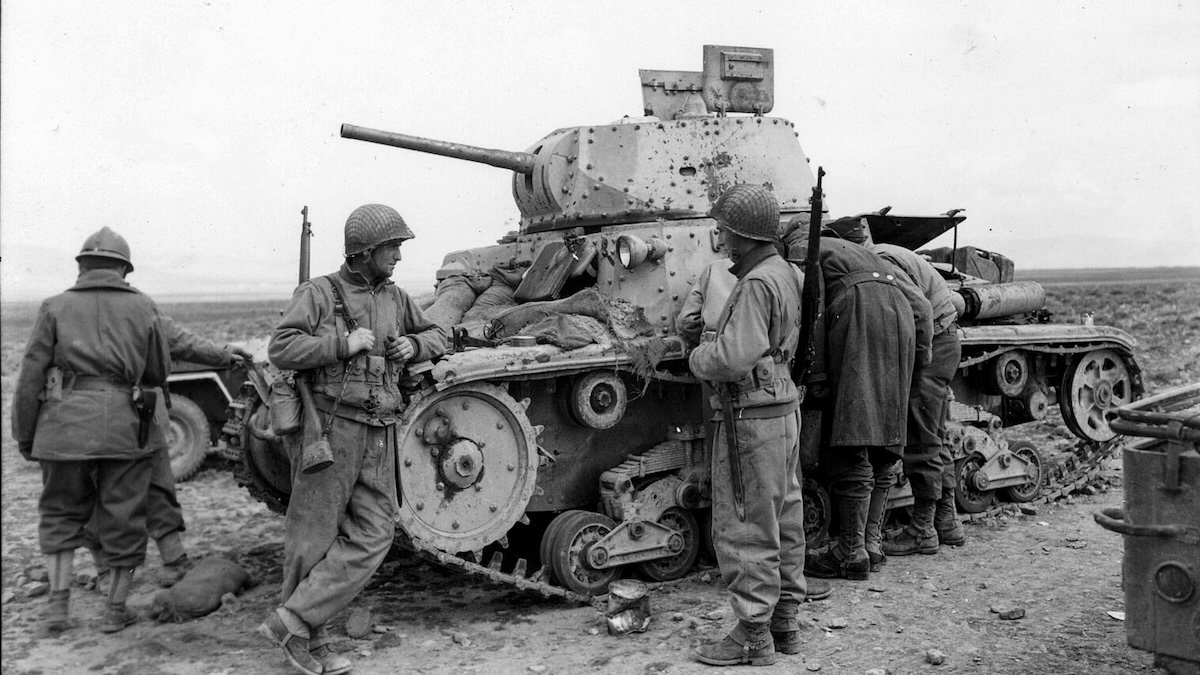
Learning from Kasserine: Building a Resilient Army for Future Conflicts
The Battle of Kasserine Pass in February 1943 represents a pivotal, though often uncomfortable, lesson for the U.S. Army. It wasn’t a glorious victory,but a stark presentation of vulnerabilities exposed during early engagements in World War II. Understanding Kasserine isn’t about dwelling on defeat; it’s about extracting invaluable insights for building a more resilient and adaptable military force prepared for the challenges of modern warfare.
The Context of Kasserine
Initially, the American forces at Kasserine were relatively inexperienced and facing a seasoned German panzer army. Rapid Axis advances caught Allied forces off guard, exploiting weaknesses in defensive positions and communication. The resulting setbacks were significant, prompting a critical self-assessment within the U.S. Army leadership.
However, focusing solely on the initial failures misses the crucial point. Kasserine wasn’t just a defeat; it was a catalyst for rapid betterment and a testament to the potential for adaptation even under immense pressure.
Key Takeaways from the Battlefield
Several critical lessons emerged from the fighting at Kasserine Pass,shaping the future progress of the U.S. Army. These lessons remain profoundly relevant today.
* Leadership Matters: Effective leadership, characterized by clear communication, decisive action, and a commitment to the well-being of troops, can be the difference between collapse and victory. Strong leaders inspire confidence and empower their units to overcome adversity.
* Adaptability is Paramount: The ability to adjust tactics, strategies, and even organizational structures in response to changing battlefield conditions is essential. Rigid adherence to doctrine can be fatal when facing a dynamic enemy.
* Continuous Learning is Crucial: A culture of continuous learning, where failures are analyzed and incorporated into future training and planning, is vital for sustained success. You must embrace the idea that every engagement offers an opportunity for improvement.
Specifically, the rapid adjustment of U.S. artillery units at Kasserine – effectively targeting advancing German armor – demonstrated the power of on-the-spot adaptation. This fast thinking helped stem the Axis advance and ultimately contributed to turning the tide.
Beyond Winning the First Battle
For decades, the U.S. Army has emphasized ”winning the first battle.” While initial success is desirable, it’s not the ultimate measure of an army’s effectiveness. Resilience and adaptability, particularly when engaged with the enemy, are far more critical.
War is rarely a series of swift, decisive victories.It often devolves into a protracted, attritional conflict. Thus, military leaders and defense officials should prioritize building organizations that are:
* Flexible: Capable of adjusting to unforeseen circumstances.
* Adaptable: Able to learn from experience and modify tactics accordingly.
* Learning-Oriented: Committed to continuous improvement and innovation.
You need personnel and equipment that can withstand initial setbacks and continue to fight effectively.
Embracing Failure as a Learning Opportunity
History consistently demonstrates that people learn more from failure than from success. The U.S.Army of early 1943 didn’t allow the initial setbacks at Kasserine to define its efforts. Instead, it took concrete steps to learn, adapt, and ultimately emerge as a formidable fighting force.
This mindset is crucial for today’s military. You must proactively prepare for the unavoidable battlefield defeats, viewing them not as catastrophes, but as opportunities for growth and improvement.
A Roadmap for the Future
The battle of Kasserine Pass offers a valuable roadmap for navigating future conflicts. It’s not a warning of impending doom, but a guide to building a more resilient and adaptable military.
The question isn’t if the United States will experience battlefield defeats, but when.By embracing the lessons of Kasserine – prioritizing leadership, adaptability, and continuous learning – you can ensure that when that trial by fire comes, the U.S.Army will not only survive but overcome.
Robert F. Williams,Ph.D. is a research historian with Army University Press at Fort Leavenworth, Kansas. He earned his Ph.D. from the Ohio State University in 2023, following a career as an