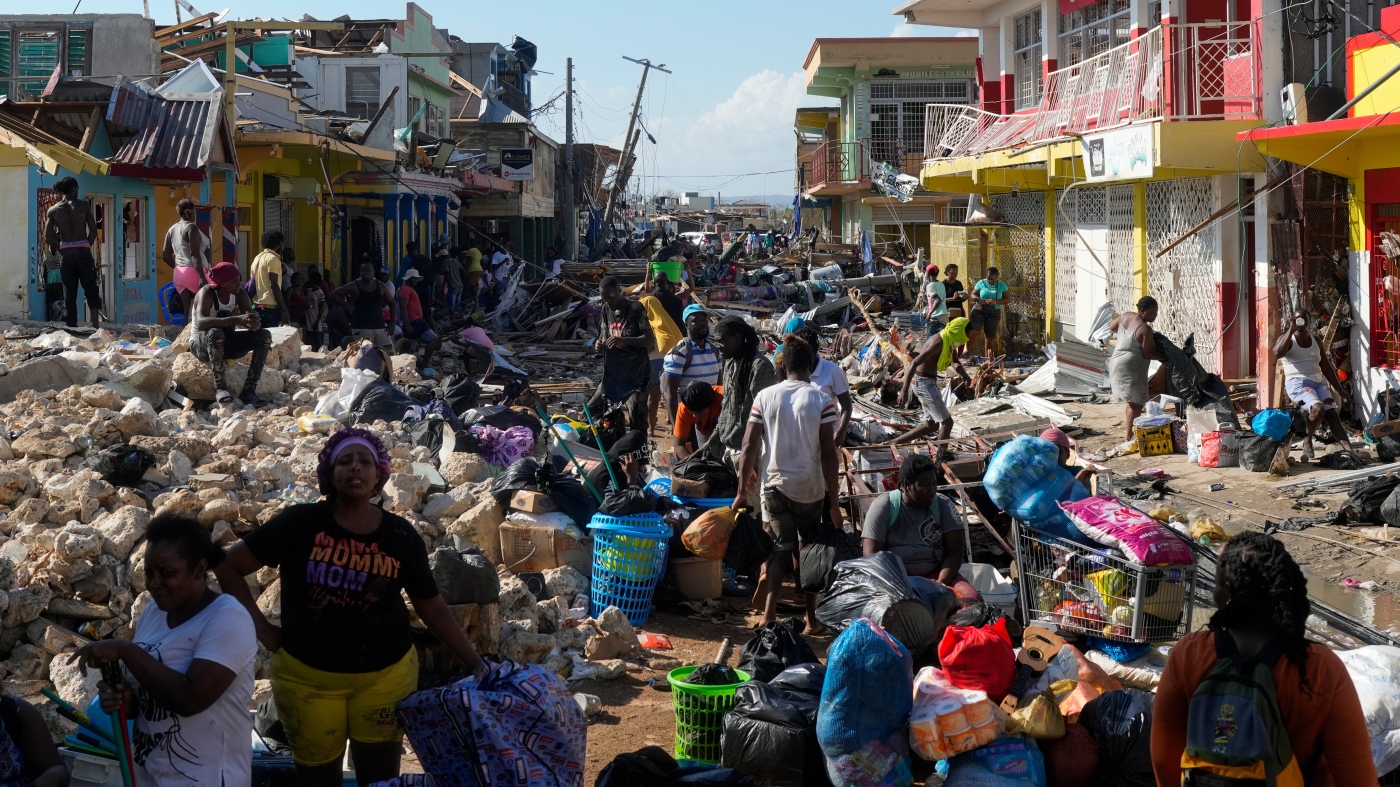
The Looming Threat: How Erosion of Disaster Preparedness Mirrors the failures of Katrina
Twenty years after the devastation of Hurricane Katrina, a chilling reality emerges: the progress made in disaster preparedness is increasingly at risk. The lessons learned in the wake of New Orleans’ tragedy are being systematically undermined,leaving the nation vulnerable too repeating past mistakes. This isn’t simply a matter of policy; it’s a matter of life and death for those most susceptible to the impacts of extreme weather events.
The Retreat from Preparedness: A Troubling Trend
The Federal Emergency Management Agency (FEMA), the cornerstone of the nation’s disaster response, has faced significant budget cuts under recent administrations. While initial promises of eliminating FEMA were walked back, substantial reductions in staffing and funding have severely hampered its capabilities.
Hear’s a breakdown of key areas impacted:
BRIC Program: Funding for Building Resilient Infrastructure and Communities (BRIC) – vital for proactive mitigation - was slashed. A judge has sence issued an injunction, but the initial damage was done.
Disaster Legal Services: Cuts to this program, which provides crucial free legal aid to disaster survivors, leave vulnerable populations without essential support.
NOAA & NWS Staffing: The Department of Government Efficiency instigated staff reductions at the National Oceanic and Atmospheric Administration (NOAA) and National Weather Service (NWS). While some positions are being restored following recent flooding events, the initial disruption was significant.
These aren’t isolated incidents. They represent a broader pattern of dismantling the infrastructure designed to protect Americans from increasingly frequent and intense disasters.
Beyond Funding: Attacking the Root Causes
The erosion of disaster preparedness extends beyond budgetary concerns. A concerning trend involves targeting institutions dedicated to addressing the structural inequalities that exacerbated Katrina’s impact.
The administration has threatened universities pursuing research and teaching related to environmental justice and racial disparities. this is particularly alarming, as these issues are central to understanding – and mitigating – disaster vulnerability. You see, disasters don’t impact everyone equally. Marginalized communities consistently bear the brunt of the consequences.
The Loss of Compassionate Governance
The shift in political rhetoric is equally concerning. The concept of “compassionate conservatism,” once a guiding principle for some, has largely vanished. Rather, a populist agenda fueled by anger and outrage dominates the landscape.
Consider these stark examples:
Medicaid Cuts: Iowa Senator Joni Ernst’s blunt response – “Well, we all are going to die” – to concerns about Medicaid cuts during a town hall meeting exemplifies a disturbing disregard for the well-being of vulnerable citizens.
“One Big Beautiful Bill”: program cuts within this initiative demonstrate a lack of commitment to complete disaster relief and recovery.
This isn’t simply about political ideology; it’s about a basic shift in values. It’s about abandoning the responsibility to protect those who need it most.
A Warning from the Past
Hurricane Katrina wasn’t just a natural disaster; it was a societal failure. It exposed deep-seated inequalities and a lack of preparedness that cost lives and devastated a city. Now, nearly two decades later, we risk repeating those failures.
If current trends continue,the next major disaster will likely reveal a nation even less prepared than it was in 2005. The consequences will be devastating, disproportionately impacting those already struggling wiht systemic disadvantages.
What Must Be Done
Protecting your community and the nation requires a renewed commitment to disaster preparedness. This means:
Reinvesting in FEMA: Fully funding and staffing FEMA is paramount.
Protecting Critical Research: Supporting institutions dedicated to environmental justice and disaster resilience is essential.
Addressing Structural Inequalities: Tackling the root causes of vulnerability – poverty, racism, and lack of access to resources – is crucial.
* Prioritizing Compassionate Leadership: Electing leaders who prioritize the well-being of all citizens,especially the most vulnerable,is non-negotiable.
The time for complacency is over. We must learn from the lessons of Katrina and act decisively to build a more resilient and equitable future. Failure to do so will condemn us to repeat the tragedies of the past.