The Erosion of Media Freedom: Lessons from RussiaS Transition and Warnings for the U.S.
The story of media in post-Soviet Russia offers a stark cautionary tale, particularly as concerns about media manipulation and control rise in the United States. What began with a burst of “absolute media freedom” in the 1990s ultimately succumbed to economic pressures and, crucially, the deliberate strategies of a consolidating political power. Understanding this trajectory is vital for safeguarding a free press – and a functioning democracy – here at home.
The promise and Peril of Early Freedom
Following the collapse of the Soviet Union, Russia experienced a period of unprecedented media openness. Andrei Kolesnikov, an independent political expert, recalls a vibrant era of “the most captivating and intelligent television ever.” However, this freedom was built on shaky ground.
The economic vulnerability of media outlets left them susceptible to influence by powerful oligarchs, who frequently enough used their ownership for political gain. This inherent weakness proved to be a critical flaw, paving the way for future restrictions.
The Putin Era: From Subtle Pressure to Overt Control
The shift began shortly after Vladimir Putin assumed the presidency in 2000. Early signals weren’t outright censorship, but rather a calculated campaign of pressure and intimidation.
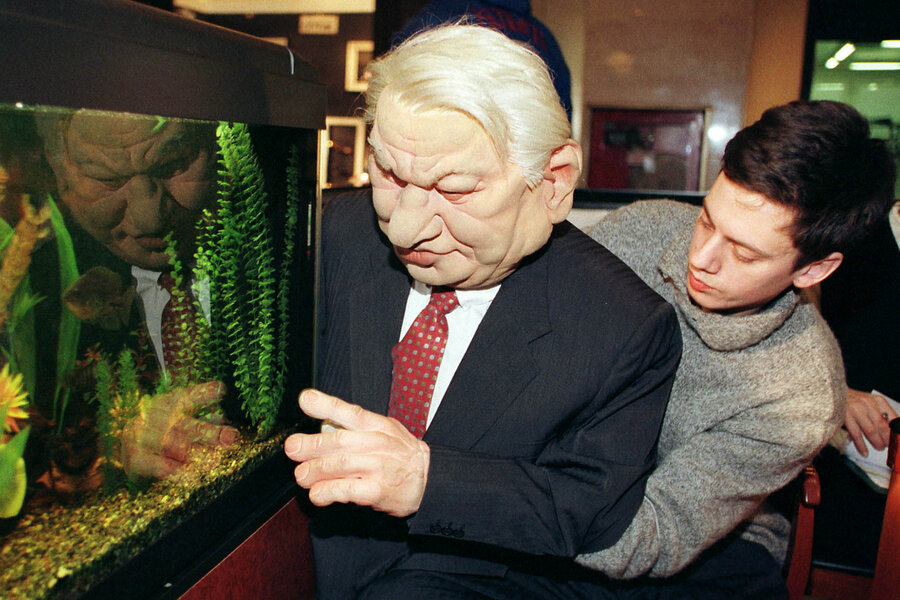
Consider the satirical puppet show “Kukly” (meaning ”Puppets”). A 2000 episode, inspired by a dark German fairy tale, dared to portray Putin as a monstrous figure deceptively appearing handsome to the public. A later episode envisioned Putin remaining in power for decades, ordering a raid on the very network broadcasting the show, NTV.
These weren’t isolated incidents. While initial attempts to silence dissent involved police raids and the brief arrest of NTV owner Vladimir Gusinsky,the kremlin soon refined it’s tactics.
The Tools of Control: Lawfare and Corporate Takeovers
The primary methods for curtailing independent media under Putin became more complex:
* Lawfare: The strategic use of legal challenges to harass and financially drain critical outlets.
* Corporate Takeovers: Acquisition of media assets by state-controlled entities, effectively neutering their editorial independence.
NTV became a prime exmaple.According to former NTV executive Viktor Kiselev, the Kremlin offered a compromise: soften criticism, avoid reporting on alleged corruption, and, crucially, never feature a Putin puppet on “Kukly.” When NTV refused, it was taken over by Gazprom, the state-led gas corporation, within two years. “Kukly” was swiftly canceled after eight years and 363 episodes.
This pattern extended beyond NTV. Newspapers, radio stations, and online platforms faced similar pressures, employing the same tactics over many years.
A Chilling effect on Dissent
The crackdown wasn’t limited to overt political criticism. Even seemingly apolitical figures felt the squeeze. Ivan Urgant, the popular Russian host akin to Stephen colbert or John Kimmel, was suspended in 2022 for voicing opposition to the war in Ukraine.
Interestingly, during a 2016 visit to Russia, Colbert himself appeared on Urgant’s show, probing how his Russian counterpart navigated the increasingly restrictive media landscape.
Lessons for the U.S. – and a Warning
Kiselev, reflecting on the Russian experience, believes the U.S. has stronger safeguards – more entrenched democratic institutions, a robust tradition of free speech, and a more influential public opinion. However, he cautions against complacency.
He and his colleagues “miscalculated badly,” believing public opinion and Western support would be enough to protect NTV. Too many, he laments, “closed their eyes” or dismissed the takeover as a mere commercial dispute.
what can you learn from this? the erosion of media freedom isn’t always a sudden, dramatic event. It often unfolds gradually, through subtle pressures, legal maneuvering, and the normalization of control.
Here’s what you should be aware of:
* Concentration of Media Ownership: A few powerful corporations controlling a vast majority of news sources.
* Political Polarization: The rise of partisan media outlets that prioritize ideology over objective reporting.
* Disinformation Campaigns: The deliberate spread of false or misleading facts to manipulate public opinion.
* Economic Pressures on Journalism: The decline of traditional revenue