Divisive Reactions to Charlie Kirk‘s Death Reveal Deepening Political Fracture
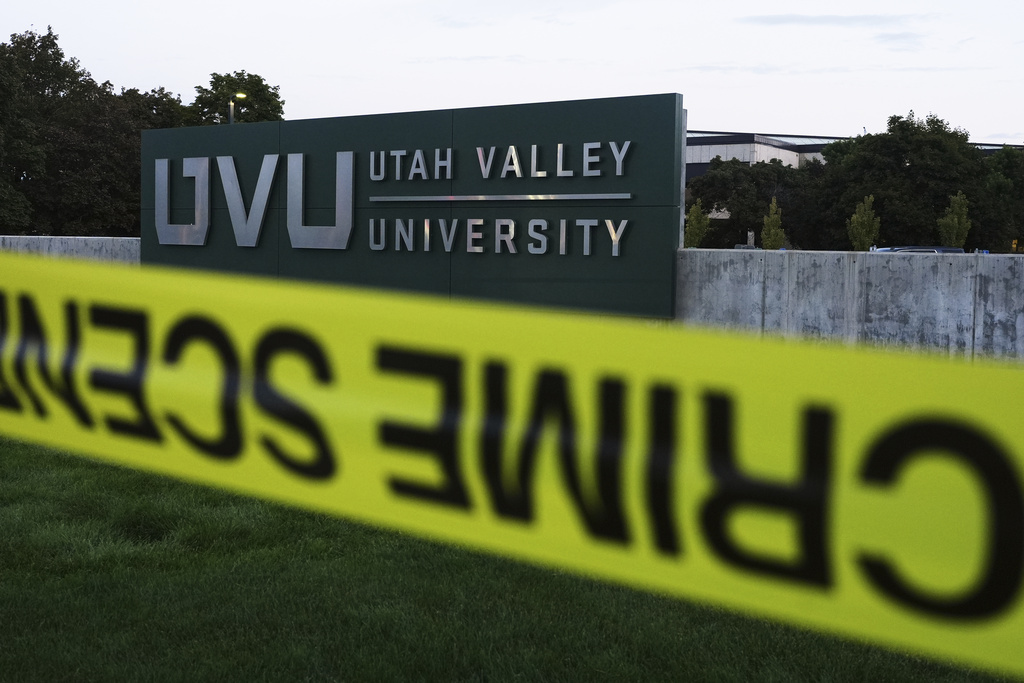
The tragic murder of conservative activist Charlie Kirk on September 10th at Utah Valley University has sparked a national conversation – not just about political violence, but about how that violence is perceived and understood across the political spectrum. A recent Rasmussen Reports survey, coupled with observations on media coverage, paints a stark picture of a deeply divided America grappling with grief, blame, and pre-existing biases.
This article delves into the survey’s findings, the media’s response, and the concerning implications for the national discourse. We’ll explore how perceptions of Kirk, political violence, and media narratives are shaping public opinion.
A Nation Divided on Kirk’s Legacy
The Rasmussen Reports survey reveals a significant split in how Americans viewed Charlie Kirk. While a majority (62%) agreed with the characterization of Kirk as someone who “peacefully and respectfully” debated people, even in the face of disagreement, this consensus fractured along partisan lines.
Interestingly, the survey also uncovered a disturbing trend: nearly half of voters who identify with Kamala harris expressed understanding, albeit tragic, for Kirk’s murder, with some suggesting his ”hateful words” contributed to the outcome.This finding,highlighted by Rasmussen’s Mark Mitchell on X (formerly Twitter),is especially alarming.
[Embed X post: https://twitter.com/honestpollster/status/1970325101968232670?ref_src=twsrc%5Etfw]
The survey was conducted in the days leading up to Kirk’s memorial service, attended by prominent figures like President Donald Trump and Vice President JD Vance, further underscoring the political weight of the event.
Concerns Over Political Violence – and Wich Side is Blamed
Despite recent high-profile incidents targeting conservatives – including two assassination attempts against former President Trump and Kirk’s murder – the survey revealed that more voters expressed concern about “extreme right-wing terrorism” (43%) than “left-wing terrorism” (39%). This disparity is largely driven by liberal respondents, with a staggering 79% citing right-wing extremism as the greater threat.
This highlights a critical disconnect.You might be wondering why, given the recent events, concern isn’t more evenly distributed. The answer, according to the survey’s analysis, lies in the influence of media narratives.
The Role of Media and the “MAGA-Inspired” Narrative
The survey points to a concerning trend: a significant portion of the public, particularly Democrats, appears unaware of the political leanings of Tyler Robinson, Kirk’s alleged shooter. A post circulating on X from The Rabbit Hole highlights that only 10% of Democrats are aware Robinson identified with the left.
[Embed X post: https://twitter.com/TheRabbitHole84/status/1969961223795228922?ref_src=twsrc%5Etfw]
This lack of awareness is attributed to what some critics describe as a “complete failure” of legacy media to accurately inform its audience. Rather, some outlets have focused on the alleged shooter’s family’s pro-MAGA affiliations, fueling a narrative that links political violence to the ”Make America Great again” movement.
Utah county Attorney Jeffrey Gray, however, presented evidence contradicting this narrative. Emails from Robinson revealed he shot Kirk because he “had enough of his hatred.” This admission directly challenges the attempts to frame the shooting as politically motivated by the right.
The media’s handling of the situation has been controversial. ABC temporarily suspended Jimmy Kimmel for suggesting Robinson wasn’t “one of them,” a statement perceived as downplaying the shooter’s potential motivations. Other outlets initially claimed there was no evidence of politics playing a role, a claim refuted by Kirk’s family and Utah officials.
Key Takeaways & What this Means for You
Here’s a breakdown of the key points and what thay mean for you as an informed citizen:
* Deepening Polarization: The responses to Kirk’s death underscore the growing chasm between political ideologies in the U.S.
* Media Influence: Media narratives substantially shape public perception, possibly obscuring facts and reinforcing existing biases.