
Navigating the Complexities of Kratom: Regulation, Research, and Potential
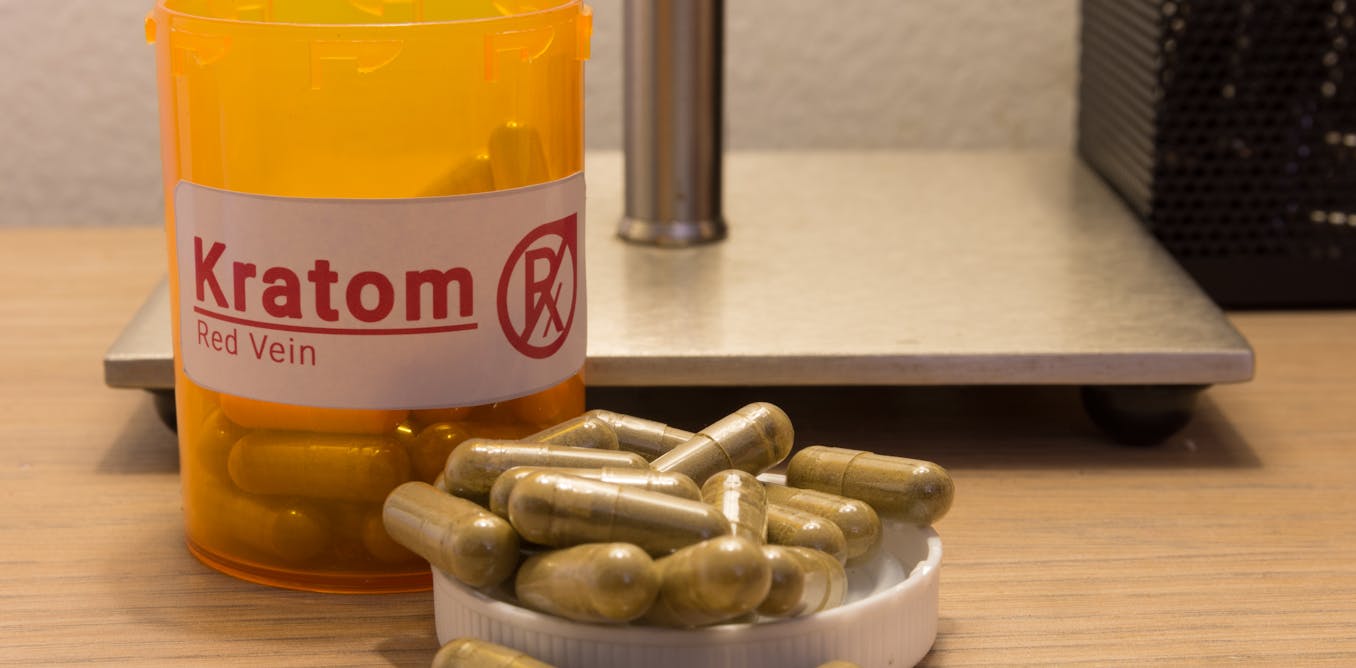
Kratom, a tropical tree native to Southeast Asia, has rapidly gained attention – and sparked debate – in the United States.Understanding the nuances of this plant, its compounds, and the evolving regulatory landscape is crucial for both consumers and healthcare professionals. This article delves into the science behind kratom, the concerns surrounding a specific compound (7-OH), and the promising research that could unlock its therapeutic potential.
The Rising Debate Around Kratom and 7-OH
For years, kratom has been used traditionally for its energy-boosting and pain-relieving properties. Though, increasing reports of adverse effects, and particularly the emergence of 7-hydroxymitragynine (7-OH), have fueled calls for stricter regulation. 7-OH is a potent alkaloid found in kratom, and some research suggests it may be significantly more potent than mitragynine, kratom’s primary active compound.
Many advocates now believe a key step is to differentiate between the raw leaf material and isolated compounds like 7-OH. This distinction is gaining traction, with many pushing for regulations that focus on restricting the sale of concentrated 7-OH products and limiting kratom sales to consumers over 21.
Even David Bregger, a father who tragically lost his son to complications possibly linked to kratom, supports this approach. He emphasizes the need for ”nothing but leaf product,” advocating for regulation rather than outright prohibition, as he shared with WPRI in Rhode Island.
Industry and Regulatory Response
The American Kratom Association (AKA) has also acknowledged the need for responsible regulation. Recognizing the scientific basis for concern, the AKA has publicly supported scheduling 7-OH as a Schedule 1 controlled substance. This move demonstrates a commitment to prioritizing safety and addressing legitimate concerns surrounding the compound.This shift in perspective reflects a growing understanding of kratom’s complex chemistry and the need for targeted regulations. It’s a move that aims to balance access to the plant for those who find it beneficial with the protection of public health.
Unlocking Kratom’s Potential: Ongoing Research
Despite the regulatory hurdles, scientists are actively investigating kratom’s potential medical applications. A growing body of research is exploring the various compounds within kratom and their effects on the body.
Here’s a snapshot of current research efforts:
NIH Funding: A $3.5 million grant from the National Institutes of Health (NIH) is supporting research into kratom’s ability to reduce opioid withdrawal symptoms and alleviate pain. Alkaloid Discovery: Researchers have identified numerous alkaloids within kratom leaf specimens, suggesting the potential for developing novel painkillers.
Unique Receptor Binding: Compounds like 7-OH bind to opioid receptors in a unique way, potentially offering pain relief with a reduced risk of respiratory depression – a major concern with traditional opioids.
Potential for Addiction Treatment: Studies suggest that isolated and purified kratom compounds could be valuable tools in treating opioid addiction.
A Potential Option to Traditional Therapies
Emerging research indicates that mitragynine, another key alkaloid in kratom, may offer a multi-faceted approach to opioid addiction treatment. It could potentially replace both medication-assisted therapies like buprenorphine and medications used to manage withdrawal symptoms like clonidine.
This is a significant development, as it suggests kratom-derived compounds could offer a more holistic and potentially less stigmatizing approach to addiction recovery.
The Path Forward: Responsible Regulation and Continued Research
Rigorous scientific study is driving a more nuanced understanding of kratom and its potential benefits.While we cannot undo past tragedies, ongoing research offers hope for developing new and beneficial drugs while simultaneously informing sensible regulations.
You can stay informed about kratom research and regulations through resources like:
The American Kratom Association: https://americankratom.org/
National Institutes of Health (NIH): https://www.nih.gov/
* Academic Journals: Search databases like PubMed ([https://pubmed.ncbi.nlm.nih.gov/](https://pubmed.ncbi.nlm.nih.





