The Fight for female Voices in Film: A Critical juncture
The film industry stands at a pivotal moment, grappling with persistent inequalities despite growing awareness adn calls for change. Recent discussions at industry forums, featuring prominent figures like Kristen Stewart and Ruth Carter, highlight both the progress made and the important hurdles that remain for women in filmmaking. This article delves into the current landscape, examining the challenges, celebrating achievements, and outlining the path forward for greater representation and creative freedom.
A Rising Tide, But Still a Strong current
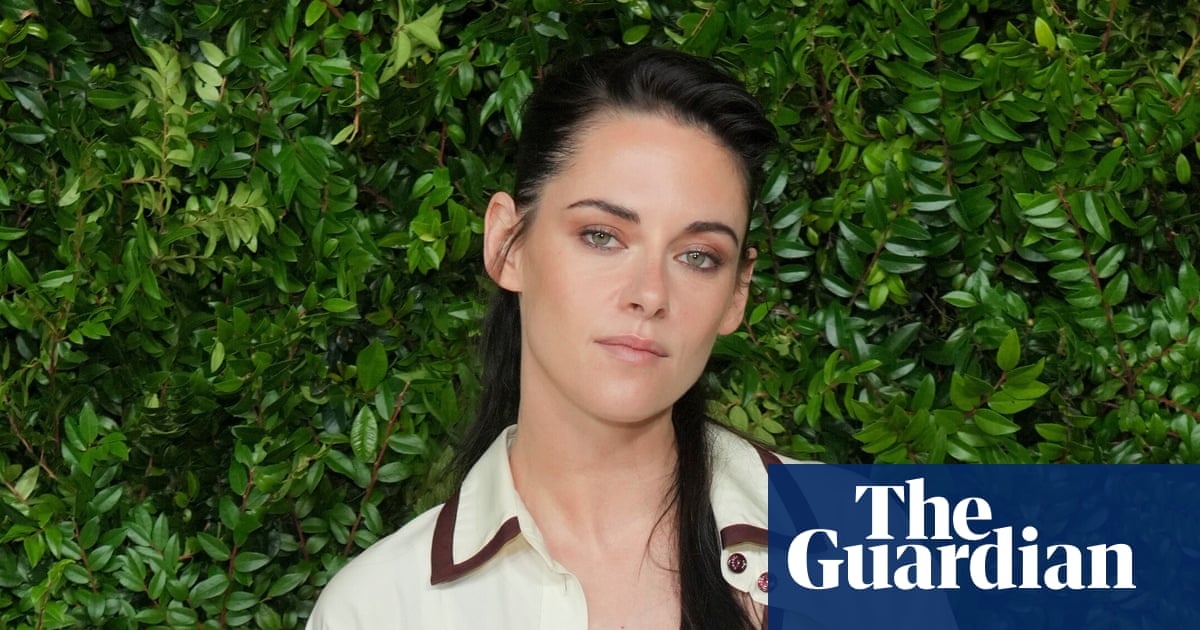
Kristen stewart, debuting her directorial work The Chronology of Water starring Imogen Poots, recently used a platform to address the ongoing struggle for authentic storytelling. She emphasized the power of speaking “hard truths” and the freedom that comes with acknowledging the “invisible cage” that often confines creative expression.
Stewart’s comments resonated with a broader sentiment: while the #MeToo movement has amplified women’s voices,the industry still exhibits a reluctance to embrace narratives deemed “too dark” or “too taboo.” She boldly stated the industry is “in a state of emergency,” urging fellow creatives to resist tokenization and “start printing our own currency.”
Mentorship and Breaking Barriers
Further bolstering this call to action, costume designer Ruth Carter shared her journey, acknowledging the vital role of mentorship in her success. Carter, a trailblazer who became the first Black woman to win two Academy Awards, credited her college professor and directors Spike Lee and John Singleton for providing opportunities to learn and grow.
Her message was clear: mentorship and fellowship are crucial for fostering inclusivity, sending a powerful message to aspiring female filmmakers and artists – “We see you. We believe in you.You belong here.”
The Numbers Tell a Concerning Story
Despite these inspiring narratives, statistical data paints a concerning picture. Here’s a snapshot of the current state of female representation in film:
* US Top-Grossing films: Female directors helmed only 16% of the top-grossing films in 2023, a slight decline from 18% the previous year.
* UK Film Industry: Approximately 13% of all film directors in the UK are women.
* Europe: Representation is slightly higher in Europe, around 23% across all films.
* On-Screen representation: A recent study revealed a “catastrophic” 10-year low in on-screen female representation, with only 30 of the top 100 US films led or co-led by women – down from 44 in 2022.
These figures underscore the systemic challenges that continue to limit opportunities for women in the industry.
A Glimmer of Hope and Future Prospects
Interestingly, even amidst these statistics, 2023 saw the phenomenal success of Greta Gerwig’s Barbie, starring Margot Robbie, demonstrating the audience appetite for female-driven stories.
Looking ahead, there’s optimism surrounding the upcoming awards season. Chloé Zhao and Kathryn Bigelow, both previous Best Director Oscar winners, are considered strong contenders for the prize again with their latest films, Hamnet and A House of Dynamite, respectively.
What You Can Do to Support Change
As a filmmaker, artist, or simply a film enthusiast, you can contribute to a more equitable industry. Consider these actions:
* Seek out and support films directed by women.
* Champion female voices in your own work.
* Mentor aspiring female filmmakers.
* Advocate for inclusive hiring practices.
* Demand more diverse storytelling.
The fight for equal representation is far from over. Though, by acknowledging the challenges, celebrating achievements, and actively working towards change, we can create a film industry that truly reflects the diversity of the world around us. Ultimately, fostering a more inclusive habitat isn’t just about fairness; it’s about unlocking a wealth of untapped creativity and enriching the art of filmmaking for everyone.