
Former LA Sheriff’s Custodian Accused of Destroying DUI Evidence: A Deep Dive into the Case & Legal Ramifications
The integrity of the justice system relies on the unwavering adherence to the law – by everyone, especially those entrusted with upholding it. A recent case out of Los Angeles County has shaken public trust, alleging a former Los Angeles County Sheriff’s Department custodian, Tommy Ray Trimble, attempted to obstruct a DUI investigation by destroying his own blood sample. This isn’t a simple mistake; prosecutors are framing it as a purposeful act to evade justice. But what exactly happened, what are the charges, and what does this mean for evidence handling protocols and public faith in law enforcement? This article provides a comprehensive overview of the case, exploring the legal implications, potential penalties, and the broader context of evidence tampering.
The Allegations: From DUI Arrest to Evidence Tampering
On july 7, 2024, Tommy Ray Trimble, 60, was arrested on the 91 Freeway in Compton, California, and charged with driving under the influence (DUI). Standard procedure dictated a blood sample be drawn for analysis. However, the story took a shocking turn on September 11, 2024, when a criminalist at the Los Angeles County Sheriff’s crime laboratory in downey discovered Trimble’s blood sample had been compromised.
According to the los Angeles County District attorney’s office news release, Trimble allegedly accessed a secure vault within the facility and used a microwave to heat and destroy the evidence. This wasn’t a spur-of-the-moment decision; it’s being presented as a calculated attempt to obstruct the DUI investigation and potentially avoid prosecution. The charges reflect the severity of the alleged actions: one felony count each of second-degree commercial burglary, preparing false evidence, destroying government records, and one misdemeanor count of destroying evidence.
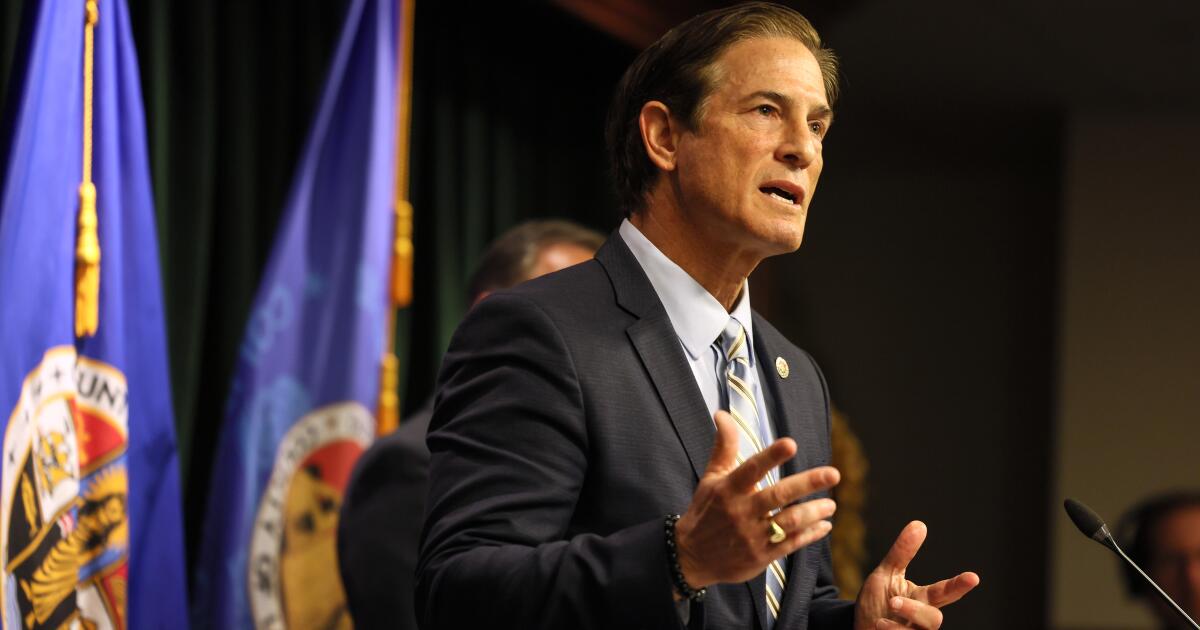
“We entrust our public officials and law enforcement officers to uphold the law, not to break it,” stated L.A. County District Attorney Nathan Hochman. “Those who perform civic service should expect to be held to a higher standard. this wasn’t a mistake. This was a concerted effort to flout the law to escape justice.”
Understanding the Charges & Potential Penalties
The charges against Trimble are significant and carry considerable penalties. Let’s break down each one:
* Second-Degree Commercial Burglary: This charge stems from Trimble’s alleged unauthorized access to the evidence vault. California Penal Code 459 defines burglary as entering a building with the intent to commit a felony. The “commercial” aspect relates to the nature of the building (a government facility).
* Preparing False Evidence: This charge (California Penal Code 132) directly addresses the act of altering or fabricating evidence with the intent to deceive a court or investigator.
* Destroying Government Records: This felony (California Penal Code 5006) involves the intentional destruction of official documents or records, in this case, the blood sample crucial to the DUI investigation.
* Destroying Evidence (Misdemeanor): While less severe than the felony charges, this still carries penalties, including fines and potential jail time.
If convicted on all counts, Trimble faces a potential prison sentence of up to three years.The severity of the sentence will depend on various factors, including his prior criminal record (if any) and the judge’s discretion. The case highlights the serious consequences of evidence tampering, a crime that undermines the entire legal process. Relatedly, understanding DUI legal defense strategies is crucial for anyone facing similar charges, though attempting to destroy evidence is never a viable strategy.
The Sheriff’s Department Response & Internal Review
The Los Angeles County Sheriff’s Department (LASD) acted swiftly following the revelation of the damaged evidence. trimble was “separated” from his employment with the department,effectively terminated. The incident was immediately referred to the Department’s Internal Criminal Investigations Bureau (ICIB) for a thorough investigation.
According to a statement from the LASD, the case was submitted to the Justice System Integrity Division (JSID) on August 21, 2025, for filing consideration. This demonstrates a commitment to internal accountability and clarity. The LASD’s response underscores the importance of robust chain of custody protocols for evidence, ensuring its integrity from collection to presentation in court. This case will likely prompt a review of existing security measures within the department’s evidence facilities.
Broader Implications: Evidence Handling & Public Trust
The Trimble case raises critical questions about evidence handling procedures and the potential for internal misconduct within law enforcement agencies. While isolated


