
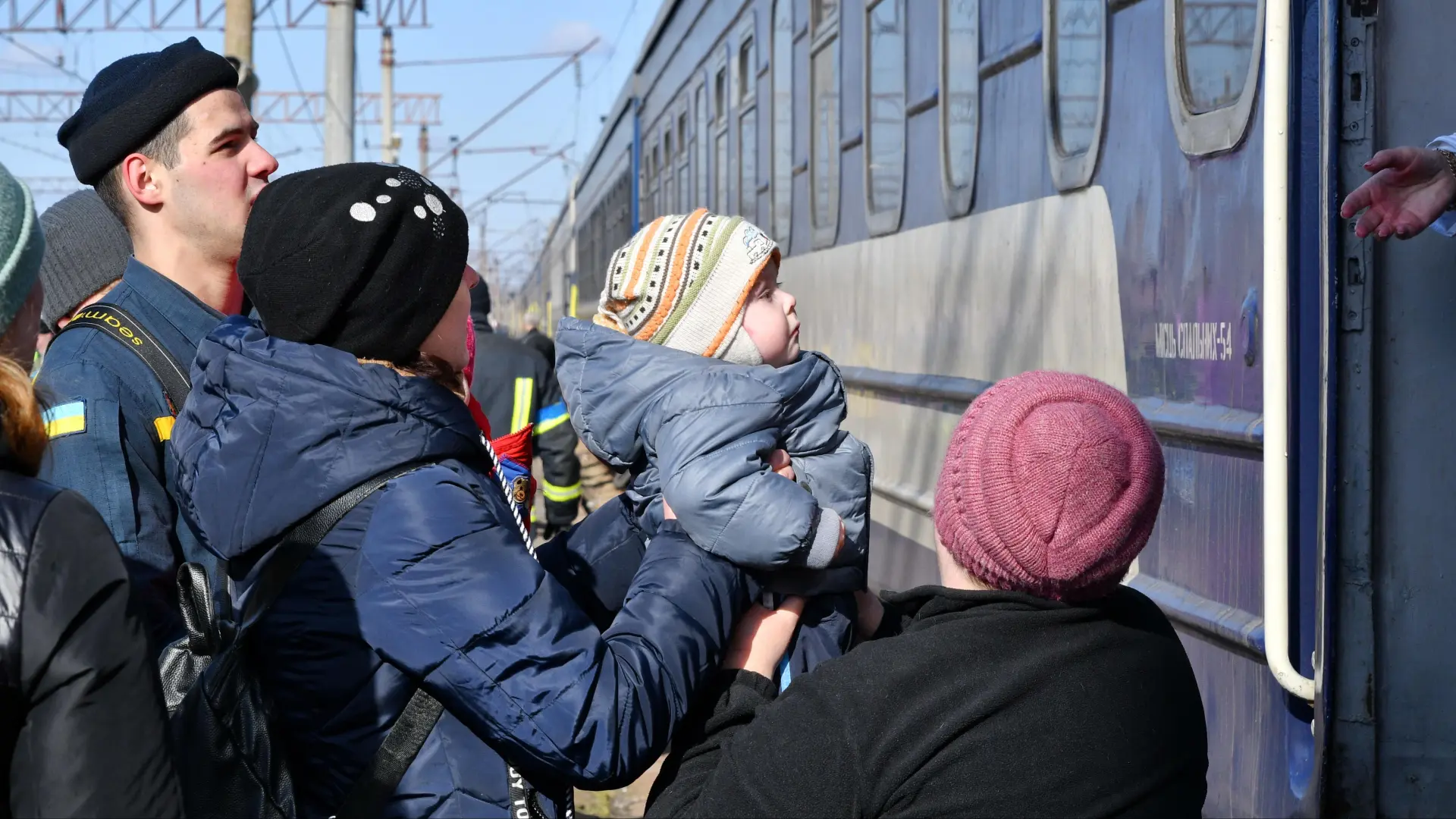
International Community Condemns Russia’s Forced Transfer of Ukrainian Children
The United Nations General Assembly has overwhelmingly approved a resolution condemning Russia’s actions regarding Ukrainian children, marking a significant moment in the international response to the ongoing conflict. This isn’t simply a political statement; it’s a powerful assertion of humanitarian principles and international law.
The resolution, passed with 91 votes in favor, 12 against, and 57 abstentions, addresses the deeply concerning practice of transferring and deporting Ukrainian children to Russian territory. It demands an immediate end to these practices and any attempts to alter the children’s legal status.
The scale of the Crisis
Ukraine estimates that at least 20,000 children have been deported by Russia since the start of the conflict, a number that continues to raise alarm. While some have been returned, many remain unaccounted for, leaving families in agonizing uncertainty. This situation isn’t just a byproduct of war; it’s a deliberate act with devastating consequences for these young lives.
These actions are viewed by Ukraine as tantamount to taking “trophies of war,” a stark and disturbing characterization that underscores the gravity of the situation. The international community shares this concern, recognizing a clear violation of international law and essential human rights.
Key Demands of the Resolution
The resolution doesn’t just express concern; it lays out specific demands for Russia, including:
* Immediate Return: Ensuring the safe and unconditional return of all Ukrainian children.
* Cessation of Practices: Halting the forced transfer and deportation of children.
* No Alteration of Status: Preventing any changes to citizenship, adoption, or placement in foster care.
* End to Indoctrination: Stopping the systematic indoctrination of Ukrainian children.
These demands are crucial for protecting the rights and futures of these vulnerable individuals. You can understand why this is so critical – these children are being robbed of their families, their identities, and their chance at a normal life.
International accountability
It’s crucial to remember that the International Criminal court (ICC) has already issued arrest warrants for Russian President Vladimir Putin and other officials in connection with these alleged war crimes.This demonstrates a growing international commitment to holding those responsible accountable for their actions.
The resolution also acknowledges the plight of children separated from their families since 2014, when Russia annexed Crimea.This highlights the long-standing nature of the issue and the need for a comprehensive solution.
Differing Perspectives & concerns
Russia dismissed the resolution as a “cynical lie,” claiming it supports “war and confrontation.” They maintain they are open to cooperation regarding child welfare.However, the overwhelming support for the resolution suggests a widespread rejection of this narrative.
Some nations,including Venezuela,expressed concern that the resolution could hinder ongoing dialog aimed at resolving the conflict. They believe a “window of chance” exists for peace and fear this initiative could derail those efforts.
Why This Matters to You
Even if you aren’t directly involved in the conflict,this situation should matter to you. It speaks to the fundamental principles of human rights, the protection of children, and the importance of international law. Allowing these practices to continue unchecked sets a hazardous precedent and undermines the global order.
This resolution, while not legally binding, carries significant moral and political weight. It sends a clear message to Russia and the world: the forced transfer of children is unacceptable, and the international community will not stand idly by. It’s a step towards justice, accountability, and ultimately, a brighter future for the children of Ukraine.


