Wildfire Smoke & Your Health: A Meaningful Surge in Heart Attacks, Lung Issues, adn Illness Following the 2025 Los Angeles Fires
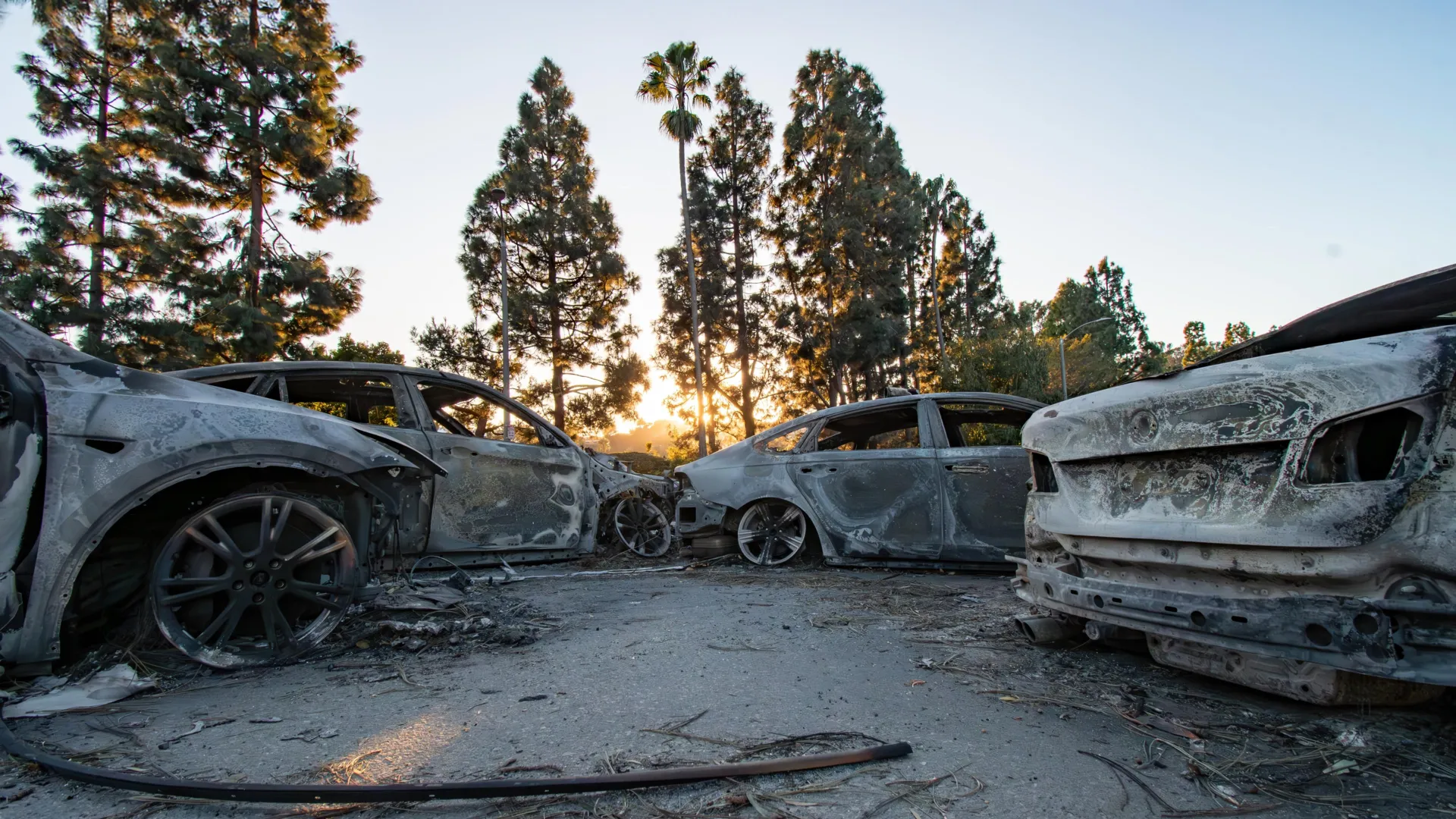
The January 2025 wildfires that ravaged areas of Los Angeles County weren’t just a disaster for property; they triggered a significant, measurable spike in serious health problems among residents. A groundbreaking new study from Cedars-Sinai, published in JACC, reveals a concerning surge in emergency room visits for heart attacks, pulmonary illness, and general sickness in the 90 days following the Eaton and Pacific Palisades fires. This research underscores the immediate and potentially long-lasting health consequences of urban wildfires, demanding a proactive approach to public health preparedness.
Understanding the Scope of the Health Impact
The study, led by Susan Cheng, MD, MPH, Director of Public Health Research at Cedars-Sinai and Erika J. Glazer Chair in Cardiovascular Health and Population Science, meticulously analyzed emergency department (ED) visits at Cedars-Sinai’s main campus – strategically located approximately 10-20 miles from the fire ignition points in Pacific Palisades and Altadena. Researchers compared data from January 7th to April 7th, 2025, against seven years of past ED visit records (2018-2024).
While the total number of ED visits remained consistent with previous years, the composition of those visits shifted dramatically. The data revealed alarming increases in specific, critical health conditions:
* General Illness: A staggering 118% increase in emergency visits related to general illness.
* Heart Attacks: A 46% rise in individuals seeking emergency care for heart attacks.
* Pulmonary Illness: A 24% increase in emergency visits for lung-related complications.
Thes aren’t minor fluctuations; they represent a considerable burden on the healthcare system and, more importantly, a significant threat to public health.
Beyond Symptoms: Novel Findings in Blood Test Abnormalities
What sets this study apart is the finding of a previously unreported trend: a more than doubling of abnormal blood test results associated with general illness during the same 90-day period. “Abnormal blood test results could indicate that the body is responding to an external stressor such as toxins in the air,” explains Joseph Ebinger,MD,MS,Associate Professor in the Department of Cardiology and the study’s first author. This finding suggests that wildfire exposure isn’t just causing immediate respiratory and cardiovascular symptoms, but also triggering systemic physiological responses detectable through standard blood work.
Why Wildfires Pose a Unique Health Risk
The link between wildfire smoke and respiratory problems is well-established. Tho, this research highlights the broader, more insidious impact of these events. Dr. Cheng explains, “Wildfires that spread into urban areas have proven to be extremely dangerous as of how quickly they move and what they burn and release into the environment. Fine particles released by wildfires can enter the body and cause injury, especially to the heart and lungs.”
These fine particulate matter (PM2.5) pollutants are small enough to penetrate deep into the lungs and even enter the bloodstream, contributing to inflammation and exacerbating existing cardiovascular conditions. Furthermore, the stress and trauma associated with wildfires – evacuation, property loss, and fear for safety – can also contribute to a range of health issues.
A Long-Term Commitment to Understanding the Health Impacts
This Cedars-Sinai study is not an isolated incident. It’s a crucial component of the larger LA Fire HEALTH Study, a decade-long collaborative research initiative involving leading institutions including Harvard T.H. Chan School of Public Health, USC, Stanford, UCLA, UC Davis, UC Irvine, the University of Texas at Austin, and Yale University.
The LA Fire HEALTH Study aims to comprehensively understand the long-term health consequences of the January 2025 fires across Los Angeles County. This ongoing research is vital for:
* Identifying vulnerable populations: Determining which groups are most susceptible to wildfire-related health impacts.
* Developing effective mitigation strategies: Creating public health interventions to protect residents during and after wildfires.
* Improving emergency preparedness: Strengthening healthcare systems to respond effectively to surges in wildfire-related illnesses.
Protecting Yourself During and After Wildfires
While research continues, there are steps you can take to protect your health during and after wildfires:
* Monitor Air Quality: Use resources like AirNow.gov to track air quality in your area.
* Stay Indoors: When air quality is poor, stay indoors with windows and doors closed.
* Use Air Purifiers: Invest in a high-efficiency particulate air (HEPA) filter air