
The Colorado River Crisis: A Looming Threat to the American West
The American West is facing a water crisis of unprecedented scale, and the situation is expected to worsen in the coming months. Declining water levels in critical reservoirs like Lake Powell and Lake Mead signal a deeply concerning trend, impacting over 40 million people across seven states and Mexico. This isn’t just an environmental issue; it’s a threat to communities, agriculture, and the very fabric of life in the region.
The Rapid Decline of Key Reservoirs
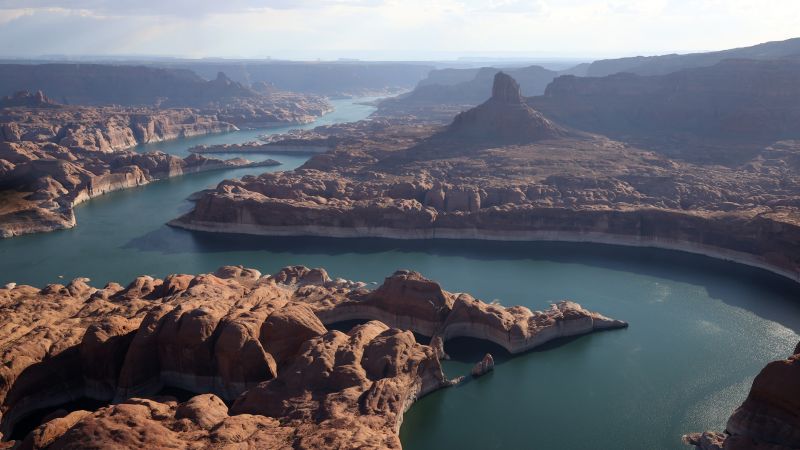
Lake Powell, a vital reservoir within the Colorado River Basin, is shrinking at an alarming rate. Nearby Lake Mead, the nation’s largest reservoir, is experiencing a similar decline. In August 2021, the federal government officially declared a water shortage on the Colorado River for the first time ever.
This declaration came after Lake Mead’s water level plunged to unprecedented lows, triggering mandatory water consumption cuts for states in the Southwest, which took effect in January. More recently, in march 2022, Lake Powell dipped below the critical threshold of 3,525 feet above sea level. This further intensified concerns about water supply and the hydropower generation that millions rely on for electricity.
Why This Matters to You
The dwindling water supply along the Colorado River has far-reaching consequences. Consider these key impacts:
Drinking Water: Lakes Powell and Mead provide a critical source of drinking water for communities throughout the West.
Agriculture: irrigation for farms and ranches across the region depends heavily on the Colorado River system.
Rural Communities: Many rural farms,ranches,and Native American communities are particularly vulnerable to water shortages.
Hydropower: Reduced water levels threaten the ability to generate clean, renewable hydropower.Essentially, the health of the Colorado River directly impacts your access to essential resources and the stability of the Western economy.
The Root Causes: Drought and Climate Change
the current crisis isn’t simply the result of a dry spell. A 22-year-long drought, exacerbated by the increasing impacts of climate change, is the primary driver. Warmer temperatures lead to increased evaporation and reduced snowpack in the mountains, diminishing the river’s flow.
These factors combine to create a vicious cycle, where declining water levels further strain the system and increase the risk of even more severe shortages.
What’s Being Done?
The U.S. Department of the Interior recognizes the gravity of the situation.Tanya Trujillo, assistant secretary for water and science, emphasized the importance of utilizing the best available scientific facts to understand water availability and plan for the future.
Ongoing efforts focus on:
Water Conservation: Implementing strategies to reduce water consumption across all sectors.
Improved Forecasting: Utilizing advanced modeling to predict future water availability.
* Collaboration: fostering cooperation between states, tribes, and federal agencies to develop lasting solutions.The challenges facing the colorado River system are complex and require a concerted effort to address.Understanding the severity of the situation and supporting responsible water management practices are crucial steps toward ensuring a sustainable future for the American west.


![Peripheral Artery Disease: Saving Limbs & Early Detection [Podcast]](https://i0.wp.com/kevinmd.com/wp-content/uploads/Design-1-scaled.jpg?resize=150%2C100&ssl=1 "Peripheral Artery Disease: Saving Limbs & Early Detection [Podcast]")
![Men’s College Basketball Power Rankings: Top 25 Updated – Kentucky, [Date]](https://a3.espncdn.com/combiner/i?img=%2Fphoto%2F2025%2F1224%2Fr1593223_1296x729_16%2D9.jpg "Men’s College Basketball Power Rankings: Top 25 Updated – Kentucky, [Date]")