
Defensive Gun Use & Active Shooter Incidents: A Comprehensive Analysis
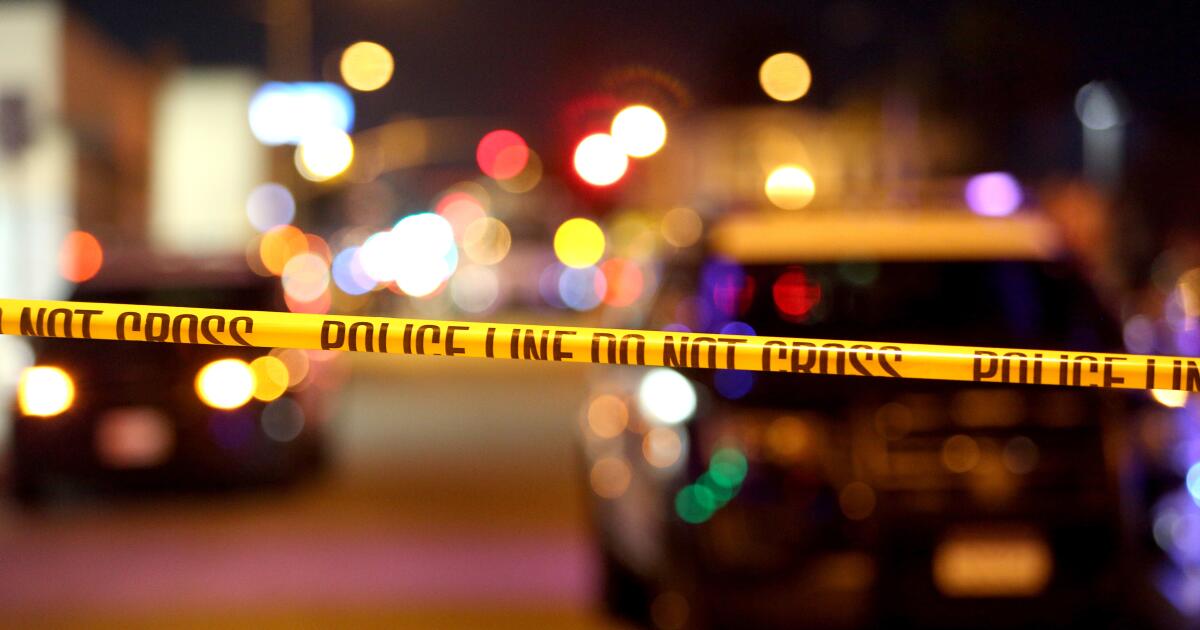
The New Year’s Eve incident in Northridge, California, involving an off-duty ICE officer and an individual discharging a firearm at an apartment complex, underscores a critical and increasingly prevalent issue: defensive gun use in the face of escalating active shooter scenarios. This event, while thankfully resulting in no injuries to the officer, highlights the complex legal, ethical, and practical considerations surrounding civilian intervention in potentially deadly situations. This article provides an in-depth examination of this incident, the broader context of defensive gun use, and the evolving landscape of active shooter response.
Did You Know? According to the CDC, firearm-related injuries are a leading cause of premature death in the United States. understanding the legal and practical aspects of defensive gun use is crucial for responsible gun ownership and personal safety.
Understanding the Northridge Incident: Initial Reports & Ongoing Inquiry
On December 31st, an off-duty Immigration and Customs Enforcement (ICE) officer encountered an active shooter at his apartment complex in Northridge, California. Preliminary reports from the Department of Homeland Security (DHS) indicate the officer, responding to the immediate threat, engaged the suspect in a shootout, ultimately resulting in the suspect’s death. The Los Angeles Police Department (LAPD) is currently leading the investigation, focusing on the circumstances surrounding the incident, including the suspect’s motives and the legality of the firearm used.
Initial reports suggest the suspect was firing an assault rifle into the air, creating a risky situation for residents. The LAPD responded to the Valley Pointe Apartments complex at approximately 11:37 PM, finding the suspect deceased at the scene.As of this writing, the identities of both the officer and the suspect remain undisclosed, and no arrests have been made beyond the deceased suspect. The DHS statement emphasized the officer’s bravery in protecting his community and confirmed he sustained no injuries during the exchange.
Pro Tip: If you are ever in an active shooter situation, remember the “Run, Hide, Fight” protocol. Running is the preferred option, but if that’s not possible, hiding and, as a last resort, fighting back may be necessary.
The Legal Framework of Defensive Gun Use
The legality of using a firearm in self-defense, or the defense of others, varies significantly by state. California, where this incident occurred, has specific laws governing justifiable homicide and the use of force. Generally, individuals are permitted to use deadly force when they reasonably believe they or another person are in imminent danger of death or serious bodily injury. However, the “reasonableness” of that belief is often a key factor in determining legal justification.
This case will likely hinge on whether the ICE officer‘s actions were deemed a proportionate response to the threat posed by the suspect. Factors considered will include the suspect’s actions (firing a weapon, even into the air), the proximity of other residents, and the officer’s training and experience. The concept of “duty to retreat,” if applicable in the specific jurisdiction, will also be examined. California is a “duty to retreat” state, meaning individuals must attempt to safely retreat before using deadly force if possible. Though, this duty is frequently enough waived in situations where the individual is in their own home (the “castle doctrine”).
Active Shooter Events: trends & response Strategies
The Northridge incident, while involving a single individual, falls within the broader context of increasing active shooter events across the United States.Recent data from the gun Violence Archive (updated January 26,2024) shows a concerning trend: there were 654 mass shootings in 2023,defined as incidents where four or more people are shot or killed,excluding the shooter. While most of thes events occur in public spaces, residential areas are increasingly becoming targets.
Effective response strategies to active shooter situations are evolving. Traditionally, law enforcement was the primary responder. However, the time it takes for police to arrive – often several minutes – can be critical. This has led to increased emphasis on civilian response training,including the “Run,Hide,Fight” protocol mentioned earlier. Furthermore, the role of armed citizens in potentially stopping or mitigating active shooter events is a subject of ongoing debate.
| Response Strategy | Description | Effectiveness |
|---|---|---|
| Run | evacuate the area immediately.
Previous Article ![Astha Chadha Interview: Insights on [Industry/Topic] & Career Advice](https://i0.wp.com/www.e-ir.info/wp-content/uploads/2025/12/Image-by-Astha-Chadha.jpg?resize=150%2C150&ssl=1 "Astha Chadha Interview: Insights on [Industry/Topic] & Career Advice") Astha Chadha Interview: Insights on [Industry/Topic] & Career AdviceDisney Privacy Settlement: $10M DOJ Fine & Child Data Concerns  Related Posts
Caótica Despedida de la Infancia: Final de Serie AnalizadoJanuary 2, 2026
Venezuela & US: Maduro Signals Willingness to Discuss Drug Traffi ...January 2, 2026
Mont-de-Marsan : Femme retrouvée enterrée chez son ex-compagnon – ...January 2, 20261  2  3  4  5  |