
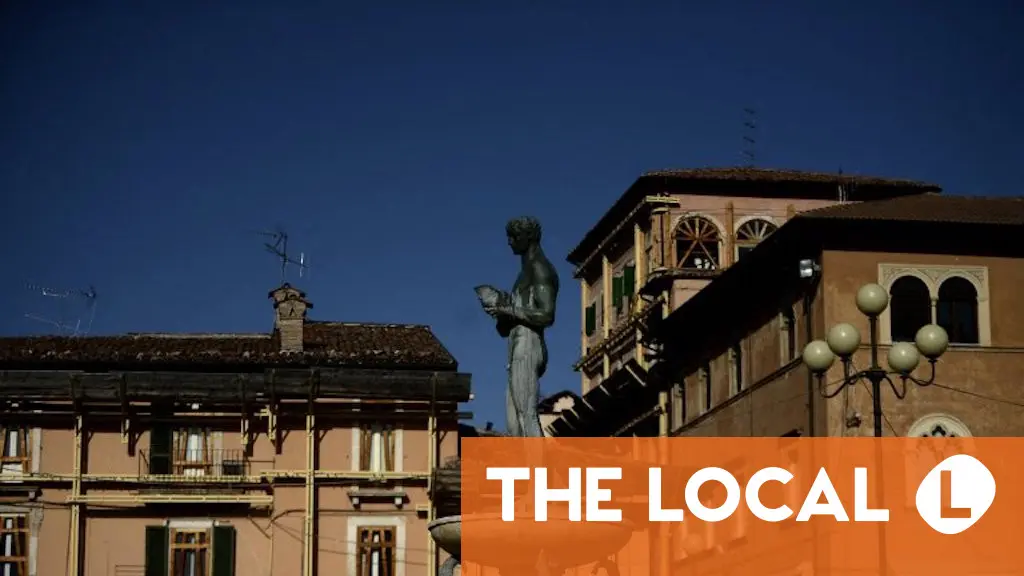
Discovering L’Aquila: A Resilient City Steeped in History and Art
L’Aquila, a captivating city in the Abruzzo region of Italy, is a testament to enduring spirit and rich cultural heritage. Despite facing significant challenges, including a devastating earthquake in 2009, it continues to flourish as a vibrant destination. this guide unveils the unique facets of L’Aquila, offering insights into its landmarks, traditions, and ongoing revitalization.
A City Forged from Unity
The story of L’Aquila begins in the 13th century. Frederick II,the Holy Roman Emperor,orchestrated the unification of 99 villages into a single,fortified city. Consequently, the city’s name, meaning “the eagle” in Italian, reflects the Hohenstaufen family emblem – a majestic eagle.
The symbolic importance of the number 99 is beautifully represented in the city’s most famous landmark.
* The Fontana delle Novantanove Cannelle (99 Spouts Fountain): This remarkable fountain features 99 sculpted heads – both human and animal – spouting water. It’s a truly unique sight and a powerful reminder of the city’s origins.
Spiritual Heart and Ancient Traditions
At the heart of L’Aquila stands the Basilica of Santa Maria di Collemaggio, a 13th-century masterpiece.Its pink marble facade and intricate rosette windows are iconic symbols of the city.
Though, the church’s importance extends beyond its architectural beauty.
* The Festival of Celestinian Forgiveness: since 1294, this UNESCO-recognized festival has been held every August.The opening of the church’s Holy Door (Porta Santa) symbolizes Pope Celestine V’s granting of forgiveness for sins, drawing pilgrims and visitors alike.
Fortifications and cultural Treasures
L’Aquila’s history is also etched into the stones of the Forte Spagnolo, a Renaissance-era fortress built under Spanish rule in the 16th century. though damaged in the 2009 earthquake, it remains a prominent landmark.
Originally, the fort housed the National Museum of Abruzzo (Munda).
* The National Museum of Abruzzo (Munda): This museum is renowned for its remarkable collection, including a complete woolly mammoth skeleton. Following a temporary relocation, artifacts are now returning to the restored Forte Spagnolo in anticipation of L’Aquila’s 2026 designation as Italy’s Capital of Culture.
A City Reborn
L’Aquila is not simply preserving its past; it’s actively building a vibrant future. The city’s commitment to restoration and cultural enrichment is evident in its ongoing projects. You’ll find a city embracing its heritage while looking forward to a bright future.
Recently, Italian art police successfully recovered artworks stolen from churches damaged in the 2009 earthquake. This demonstrates the dedication to preserving the region’s cultural treasures.
As L’Aquila prepares for its role as Italy’s Capital of Culture in 2026, it invites you to experience its unique charm, resilience, and enduring beauty. It’s a destination that will undoubtedly leave a lasting impression on your travels.




![Embryo Implantation Failure: Causes & What You Can Do [Podcast]](https://i0.wp.com/kevinmd.com/wp-content/uploads/Design-3-scaled.jpg?resize=150%2C100&ssl=1 "Embryo Implantation Failure: Causes & What You Can Do [Podcast]")