
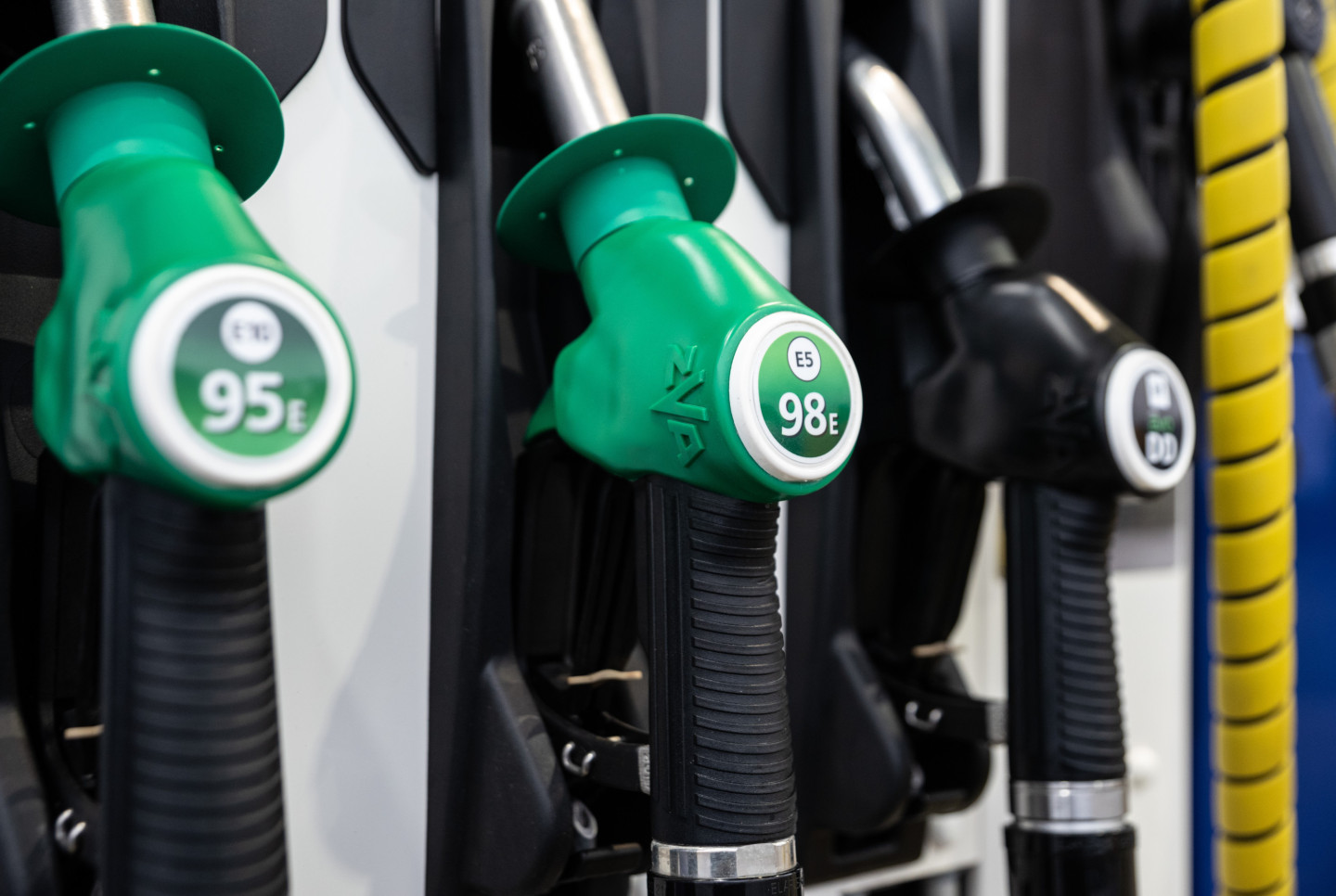
Fuel prices in Latvia have seen a dramatic surge, with the average consumer price level for fuel rising by 21% in March 2026 compared to February, according to data from the Central Statistical Bureau (CSP). This sharp increase has triggered concerns among policymakers regarding market stability and the potential for unfair competition within the energy sector.
The spike was driven primarily by a significant jump in diesel prices, which climbed by 25.4% during the month. Gasoline prices followed with an 11.3% increase, although autogas rose by 7.5%. These rapid fluctuations are occurring against a backdrop of geopolitical instability, creating substantial challenges for various sectors of the national economy CSP Press Release.
The financial impact on consumers is evident in the retail figures. In March 2026, the average retail price for diesel reached 1.886 euros per liter, up from 1.504 euros in February and 1.449 euros in January. Similarly, 95-octane gasoline averaged 1.667 euros per liter in March, compared to 1.497 euros in February and 1.456 euros in January Apollo.lv.
Autogas has reached a historic peak, with the average price hitting an all-time high of 0.959 euros per liter in March 2026. This follows a steady climb from 0.891 euros in January and 0.892 euros in February ZZ.lv.
Analyzing the Year-on-Year Price Surge
When comparing the current situation to the previous year, the trend remains upward. In March 2026, the average consumer price level for fuel was 18.5% higher than in March 2025. During this year-long period, diesel fuel saw the most aggressive increase, rising by 24.1%, while gasoline prices grew by 7.5% and autogas by 4.3% CSP Press Release.

Further data indicates that when looking at the broader price levels in March 2026 compared to March 2025, fuel prices in Latvia were 19.3% higher overall. Specifically, diesel increased by 24.6%, gasoline by 8.3%, and autogas by 6.8% over that period Apollo.lv.
Historical Context and Price Peaks
While the current prices are high, they have not yet surpassed the extreme peaks seen in 2022. The highest average retail price for diesel was recorded in June 2022 at 2.008 euros per liter, followed by July 2022 at 1.95 euros and November 2022 at 1.927 euros ZZ.lv.
A similar trend was observed for 95-octane gasoline, which also reached its historical peak in June 2022, hitting an average of 2.078 euros per liter ZZ.lv.
Impact on the National Economy
The Central Statistical Bureau has highlighted that the “unplanned and rapid rise” in fuel prices is creating significant hurdles for multiple industries. Because fuel is a primary input for transport, logistics, and agriculture, these costs often trickle down to the end consumer, contributing to broader inflationary pressures CSP Press Release.
The volatility of these prices has led politicians to express suspicion regarding unfair competition. The rapid swings in pricing are being scrutinized to determine if they reflect actual market costs or if there are irregularities in how fuel is being traded and priced within the domestic market.
| Fuel Type | January | February | March |
|---|---|---|---|
| Diesel | 1.449 | 1.504 | 1.886 |
| 95 Gasoline | 1.456 | 1.497 | 1.667 |
| Autogas | 0.891 | 0.892 | 0.959 |
The current trajectory suggests that while the 2022 peaks remain the absolute ceiling, the 2026 surge represents a significant return to high-cost energy levels that strain both corporate margins and household budgets.
As the government and regulatory bodies continue to monitor these trends, the focus remains on whether the current pricing reflects the geopolitical reality or indicates a need for stricter market oversight to prevent unfair competition.
We will continue to monitor official updates from the Central Statistical Bureau and government announcements regarding fuel market regulations. We invite our readers to share their experiences with fuel price changes in the comments below.