
Legal proceedings have commenced in the case of Kim So-young, who faces charges related to a drug-induced fatality at a motel. During the initial public hearing, the core of the legal dispute centered on the defendant’s intent and the foreseeability of the outcome.
The case has drawn attention due to the nature of the allegations, which involve the administration of substances to victims. The prosecution’s case rests on the resulting deaths, while the defense is focusing on the lack of murderous intent.
Defense Argues Lack of Intent to Kill
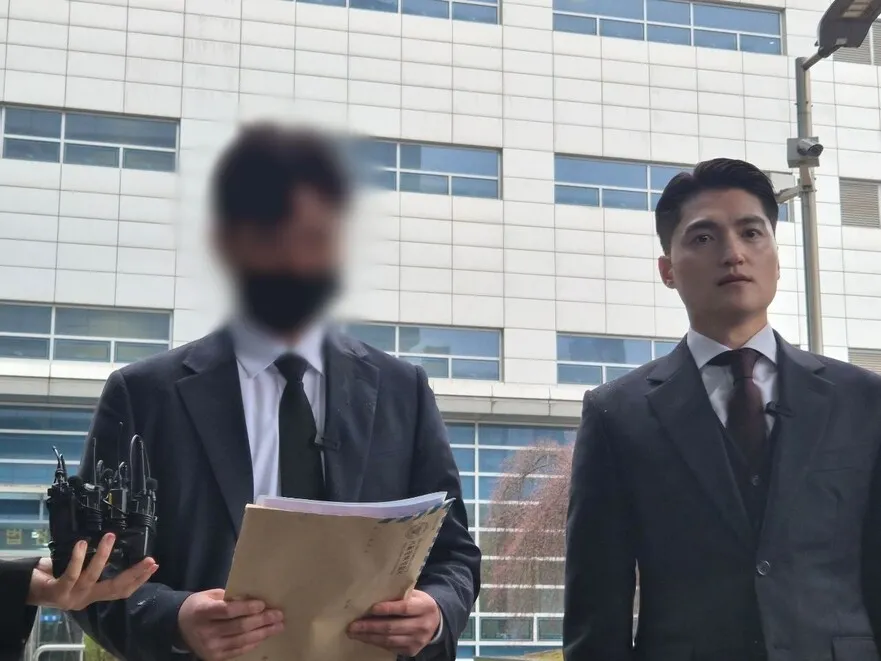
During the first trial, the defense counsel for Kim So-young provided a partial admission regarding the events leading up to the fatalities. The lawyer acknowledged that the defendant had provided drinks to the victims, a fact that is not being contested by the defense.
However, the defense strongly disputes the allegation of intentional murder. According to reports from the hearing, the lawyer argued that the defendant did not intend for the victims to die. Instead, the defense claims that Kim believed the substances in the drinks would simply cause the victims to fall asleep.
This distinction is critical in the South Korean legal system, as the difference between intentional murder and negligence resulting in death (or other drug-related charges) carries significantly different sentencing guidelines. The defense maintains that the defendant could not have foreseen that the victims would pass away as a result of consuming the beverages.
Legal Implications of Foreseeability
The trial is expected to hinge on whether the defendant’s actions constitute “willful negligence” (dolus eventualis), where a person realizes that their actions could lead to a specific result and accepts that possibility, or if the outcome was truly an unforeseen accident.
The prosecution is likely to present evidence regarding the dosage and type of substances used to argue that the risk of death was obvious, while the defense will continue to argue that the defendant’s subjective belief was limited to causing sleep.
As the trial progresses, the court will examine forensic evidence and the defendant’s history to determine the level of intent. The outcome will depend on whether the judge finds that the death was a foreseeable consequence of the defendant’s decision to administer the drinks.
Further updates on the case will be provided as the court schedules subsequent hearings and reviews evidence presented by both the prosecution and the defense.
For the latest updates on this case, interested parties should monitor official court announcements and legal filings as they become available.