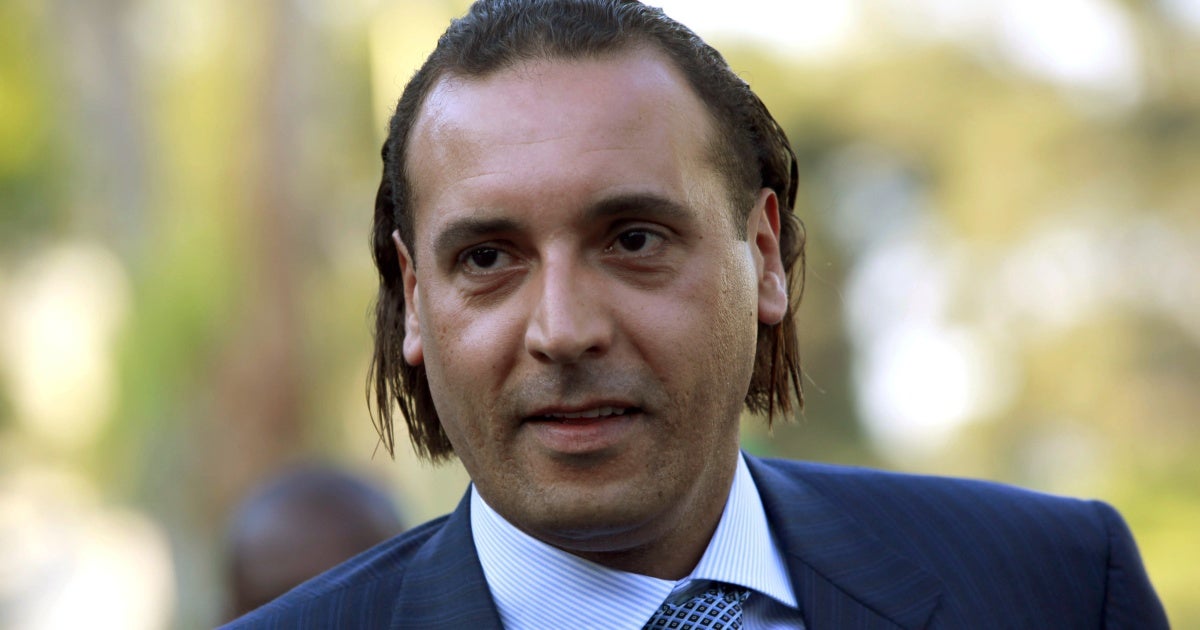
Hannibal Gaddafi‘s Prolonged Detention in Lebanon: A Growing Legal and Human Rights Concern
For over a decade, Hannibal Gaddafi, son of former Libyan leader Muammar Gaddafi, has been held in Lebanon under highly questionable circumstances. His continued detention, without due process, is raising serious concerns among international human rights organizations, including Human Rights Watch, and underscores a troubling pattern of judicial stagnation and political interference within the Lebanese legal system. This article will delve into the details of his case, the legal framework surrounding his detention, and why urgent action is needed to uphold fundamental rights.
The Case: A Decade of Uncertainty
Gaddafi was initially detained in 2015 following his arrival in Lebanon, linked to the 1978 disappearance of Lebanese shia cleric Imam Musa al-Sadr. While the connection remains unproven, he has been held ever as, despite a lack of formal charges and consistent judicial review. You might be wondering why this case continues to drag on - the answer lies in a complex web of political sensitivities and a deeply flawed legal process.
Human Rights Watch has repeatedly attempted to gain clarity on Gaddafi’s legal status and health.Letters were sent in July 2023 to Major General Imad Othman and judge Zaher hamadeh, the judicial investigator overseeing the case, requesting detailed information. Unfortunately,these requests went unanswered,highlighting a concerning lack of transparency.
Why is this detention problematic?
Several key issues make Gaddafi’s detention unlawful under both international and lebanese law:
Lack of Due Process: He hasn’t been formally charged with a crime, violating fundamental principles of legal fairness.
Prolonged Pretrial Detention: International law dictates that pretrial detention should be an exception, not the rule. A decade-long detention without charge is demonstrably arbitrary. Failure to Respond to Release Requests: Despite repeated appeals, including one from his lawyer, Charbel Milad el-Khoury, in June 2023, Judge Hamadeh has not acted on requests for his release.
Political Interference: Libya’s Government of National Unity has accused Lebanese officials of a lack of cooperation. Judge Hamadeh has, in turn, suggested any release is contingent on information from Libyan authorities regarding the Sadr disappearance – a clear indication of leveraging the case for political gain.
The Legal Framework: What the Law Says
The legality of gaddafi’s detention is directly challenged by established legal principles. Let’s break it down:
International Covenant on Civil and Political Rights (ICCPR): Lebanon ratified this treaty in 1972. article 9 explicitly states that no one should be deprived of liberty except in accordance with established law.
Lebanese Constitution: Article 8 of the Lebanese Constitution reinforces this, stating that arrest, imprisonment, and custody must adhere to legal provisions.
Lebanese Penal Code: This code prohibits arbitrary detention and even prescribes prison sentences for officials who fail to uphold lawful detention conditions.
Essentially, the legal foundation for Gaddafi’s continued detention is crumbling under scrutiny.
Recent Developments & the Promise of Reform
Lebanon’s parliament recently adopted a law aimed at organizing the judiciary, promising much-needed reforms. However, Human Rights Watch points out that critical gaps remain. These gaps leave the judiciary vulnerable to continued political interference, possibly perpetuating situations like Gaddafi’s case.
While the reforms are a step in the right direction, thay aren’t a guaranteed solution. You need to understand that systemic change takes time and consistent effort.
What Needs to Happen Now?
The situation demands immediate action. Human Rights Watch urges the Lebanese justice minister and investigative judge to:
Urgently respond to release requests.
End Gaddafi’s unlawful detention.
Ensure all detainees and prisoners are granted their rights in accordance with the law.
This isn’t just about hannibal Gaddafi. It’s about upholding the rule of law in Lebanon and demonstrating a commitment to fundamental human rights.
The Broader Implications
gaddafi’s case is a symptom of a larger problem: a Lebanese justice system plagued by delays, political influence, and a lack of transparency. Allowing this situation to continue erodes public trust in the legal system and undermines Lebanon’