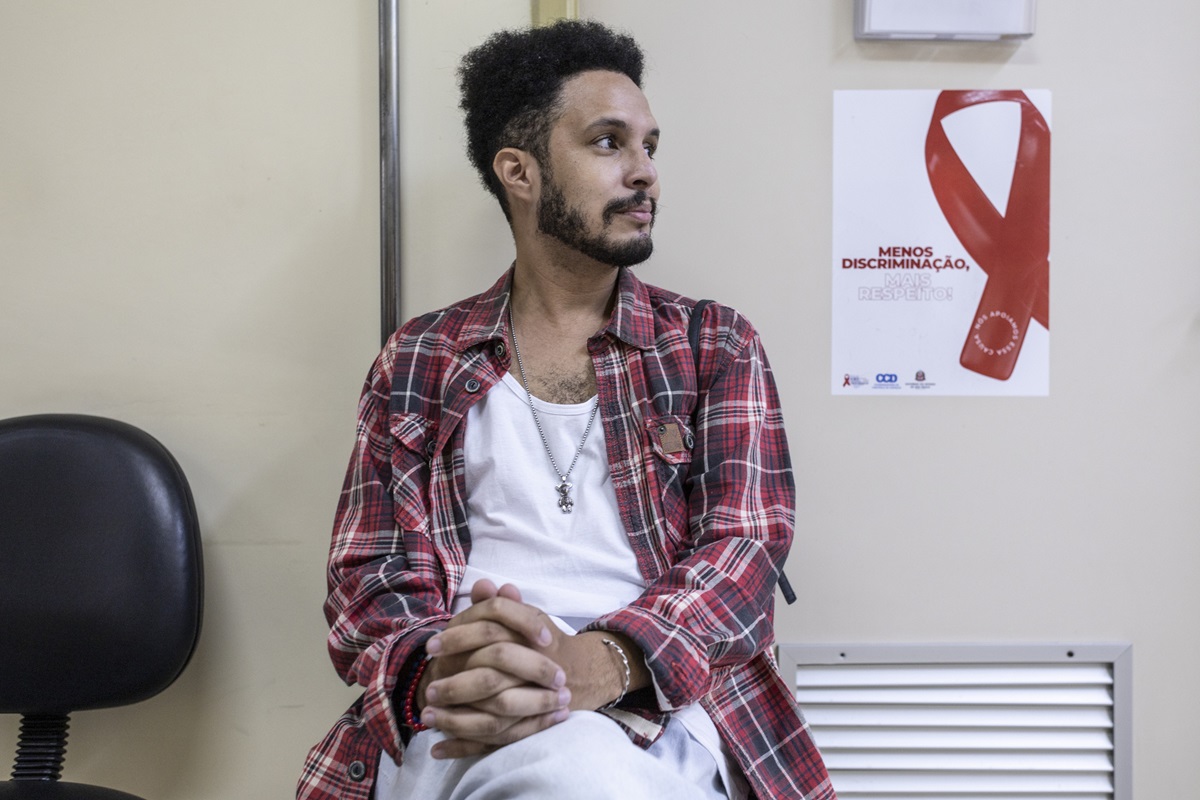
WHO Updates HIV Guidance to Sustain Progress Amidst Funding Challenges & Emerging Threats
The World Health Association (WHO) has released a suite of updated guidelines and operational guidance aimed at bolstering global HIV responses, addressing evolving challenges like funding constraints, emerging infections like mpox, and the need for more adaptable treatment strategies. These recommendations, unveiled at the upcoming 13th IAS Conference on HIV Science in Kigali, represent a critical effort to maintain momentum towards ending AIDS as a public health threat, even as global health funding faces increasing pressure.
Expanding Treatment options & Addressing Adherence
A key update focuses on expanding treatment options for individuals already virally suppressed on oral antiretroviral therapy (ART). The WHO now recommends considering long-acting injectable cabotegravir and rilpivirine (CAB/RPV) as a viable switching option for adults and adolescents. This innovative approach is particularly beneficial for those experiencing challenges with daily oral medication adherence, offering a potentially more convenient and effective treatment pathway. This move acknowledges the diverse needs of people living with HIV and prioritizes patient-centered care.
“We have the tools and the knowledge to end AIDS as a public health problem,” emphasizes Dr. Meg Doherty, Director of WHO’s Department of Global HIV, Hepatitis and STI Programmes and incoming Director of Science, Research, Evidence and Quality for Health. “What we need now is bold implementation of these recommendations, grounded in equity and powered by communities.”
Integrated Care: A Holistic Approach to HIV Management
Recognizing that HIV doesn’t exist in isolation, the updated guidelines strongly advocate for integrating HIV services with broader healthcare provisions.This includes routine screening and management of noncommunicable diseases (NCDs) like hypertension and diabetes, alongside mental health support for conditions such as depression, anxiety, and alcohol use disorders. This integrated approach not only improves the overall health and well-being of people living with HIV but also enhances ART adherence and treatment outcomes. Furthermore, new guidance recommends proactive screening for gonorrhoea and/or chlamydia in key and priority populations, addressing the often-overlooked burden of sexually transmitted infections.
Responding to Mpox & Prioritizing Rapid ART Initiation
The recent mpox outbreak highlighted the critical intersection between HIV and emerging infectious diseases. The WHO now strongly recommends rapid initiation of ART for individuals living with HIV who are either ART-naive or have experienced prolonged ART interruption and present with mpox.Early HIV testing is also advised for anyone suspected or confirmed to have mpox, with WHO standard operating procedures emphasizing simultaneous HIV and syphilis testing. This proactive approach aims to reduce morbidity and mortality associated with both infections and prevent further transmission.
Navigating a Changing funding Landscape: Operational Guidance for Sustainability
Acknowledging the important challenges posed by reduced funding for HIV programs, the WHO has released new operational guidance designed to help countries sustain essential HIV services. This guidance provides a stepwise framework for prioritizing services, assessing risks, monitoring disruptions, and adapting systems to protect health outcomes and preserve the hard-won progress made in the fight against HIV. The framework emphasizes efficient resource allocation and resilient program design to mitigate the impact of funding shortfalls.
The Global HIV Landscape: A Persistent Challenge
Despite significant advancements in prevention and treatment, HIV remains a major global public health issue. As of the end of 2024, an estimated 40.8 million people are living with HIV, with approximately 65% residing in the WHO African Region. Tragically, an estimated 630,000 people died from HIV-related causes globally in the same period, and 1.3 million new infections occurred, including 120,000 children. However, access to ART continues to expand, with 31.6 million people receiving treatment in 2024, a notable increase from 30.3 million in 2023.
Looking Ahead: IAS 2025 & the Path to Ending AIDS
The WHO will be a prominent presence at the 13th IAS Conference on HIV Science (IAS 2025) in Kigali, Rwanda, from July 13-17, 2025. This influential meeting is the world’s premier forum for HIV research and its translation into policy and practice. At IAS 2025, the WHO will present its new normative guidance through dedicated satellite sessions, engage with leading experts, and advocate for increased investment in HIV programs. The organization will also highlight innovations in HIV prevention and treatment and underscore the importance of health equity.
detailed facts on WHO’s activities at IAS 2025 can be found [here](https://www.who.int/news-room/events/detail/20