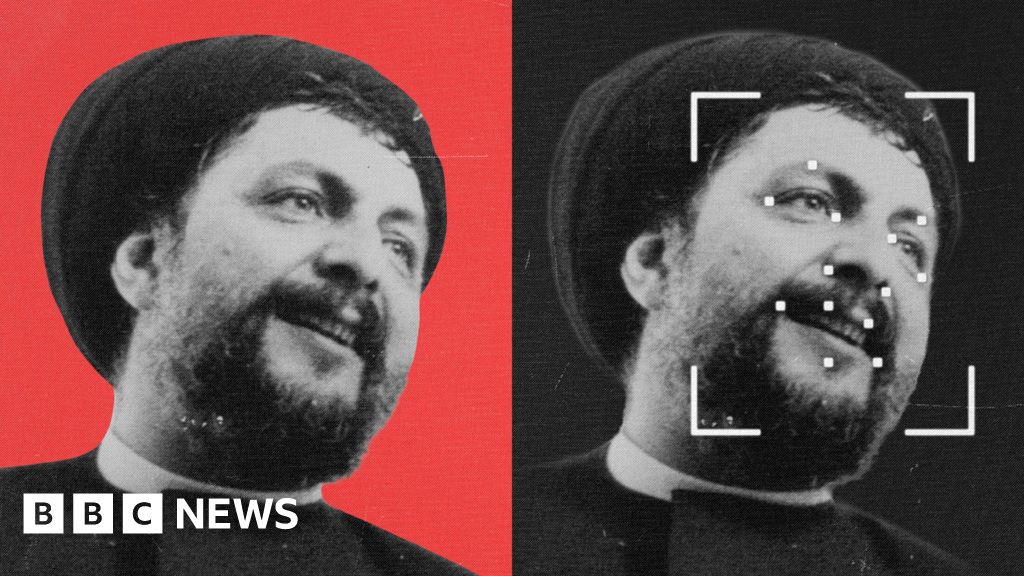
the Enduring Mystery of Musa al-Sadr: Disappearance, Belief, and Political legacy
The story of Musa al-Sadr, a prominent Lebanese Shia cleric and politician, is shrouded in mystery. His disappearance in Libya in 1978 remains a deeply sensitive and contested issue, fueling decades of speculation and impacting the political landscape of Lebanon.Here’s a look at the facts, the enduring beliefs, and the complexities surrounding this case.
A Powerful Figure Emerges
musa al-Sadr arrived in Lebanon in 1969, quickly becoming a leading voice for the marginalized Shia community. He founded the Amal political party in the 1970s,advocating for their rights and depiction within the country’s fractured political system. Sadr’s charisma and dedication resonated deeply, establishing him as a powerful figure capable of mobilizing significant support.
The Fateful Trip to Libya
In 1978, Sadr, along with two companions, traveled to Libya for a meeting with Muammar Gaddafi. this trip was intended to mediate a resolution to the Lebanese Civil War. Though, upon arrival, Sadr and his entourage vanished without a trace.
Decades of uncertainty and Conflicting Claims
For years, the circumstances surrounding sadr’s disappearance remained unclear. libyan officials initially claimed he had left for Italy, a statement widely disputed by his followers. Various theories emerged, ranging from political assassination to imprisonment.
I’ve found that the lack of concrete information has only deepened the mystery and fueled a powerful, enduring belief among many Lebanese Shia.
A Recent Photo and Renewed Scrutiny
Recently, a photograph surfaced purportedly showing Sadr in a Libyan prison, taken in 2011. This image sparked renewed debate and investigation. Some, including Sadr’s son, Sadreddine, immediately dismissed the photo as inaccurate.
Sadreddine stated the image didn’t resemble his father and contradicted information suggesting he remained alive and imprisoned in Libya. Though, investigations have found no evidence to support this claim.
The Power of Belief
Despite the lack of verifiable evidence, the belief that Sadr is still alive persists. It functions as a unifying force for many Lebanese Shia, representing hope and a continued commitment to his ideals. Every August 31st, Amal commemorates the anniversary of his disappearance, a testament to his enduring legacy.
Here’s what works best when understanding this situation: the belief in Sadr’s continued existence isn’t simply about factual accuracy. It’s about maintaining a symbol of hope and resilience within a community that has historically faced marginalization.
Attempts to Uncover the Truth
Efforts to uncover the truth have been met with obstacles. Repeated attempts to secure an interview with Lebanese Parliament Speaker Nabih berri, a key figure connected to the case, were unsuccessful. Similarly, requests for comment and information from the Libyan authorities whent unanswered.
why This Matters
The disappearance of Musa al-Sadr isn’t just a historical cold case.It continues to shape Lebanese politics and the identity of the Shia community. Understanding the complexities of this story requires acknowledging the political sensitivities, the enduring power of belief, and the ongoing search for answers.
Ultimately, the mystery surrounding Musa al-Sadr serves as a poignant reminder of the lasting impact of political turmoil and the enduring human need for closure.