Libyan Army Chief Among Those Killed in Turkish Plane Crash: A Developing Story
A private jet carrying Libyan Chief of General Staff Lieutenant general Mohammed al-Haddad and several aides crashed in Turkey’s Ankara province on Monday, resulting in the tragic loss of all eight people on board. the incident has prompted investigations by both Turkish and Libyan authorities,with a focus on determining the cause of the crash and ensuring openness in the findings. here’s a comprehensive overview of what we know so far.
What Happened?
The aircraft, en route to Tripoli after talks in Ankara with Turkish military officials, went down in the Haymana district near Ankara. Turkish security personnel quickly located the wreckage. Interior Minister Ali yerlikaya confirmed the recovery of both the voice recorder and the flight data recorder – commonly known as the “black boxes.”
Analysis of these crucial devices has already begun. Transport Minister Abdulkadir Uraloglu announced via X (formerly Twitter) that the analysis will be conducted in a neutral country, with findings shared “with our nation and the entire world with full transparency.”
Who Was Onboard?
* Lieutenant General Mohammed al-haddad, Chief of General Staff of the libyan Army.
* Four aides accompanying the General.
* Three crew members.
the crash has been met with profound grief in libya. Prime Minister Abdulhamid Dbeibah expressed “deep sadness and great sorrow” over the death of the army chief. A 22-member Libyan delegation, including five family members of the deceased, has arrived in Ankara.
Investigation underway: What Are Experts Saying?
Turkish authorities have launched a formal investigation into the incident, led by the Ankara prosecutor’s office. While the cause remains unkown, experts are offering preliminary insights.
Tolga Tuzun Inan, of Istanbul’s bahcesehir University, noted that a single electrical failure is unlikely to cause a complete loss of power. he suggests a combination of factors, possibly including meteorological conditions, may have contributed.
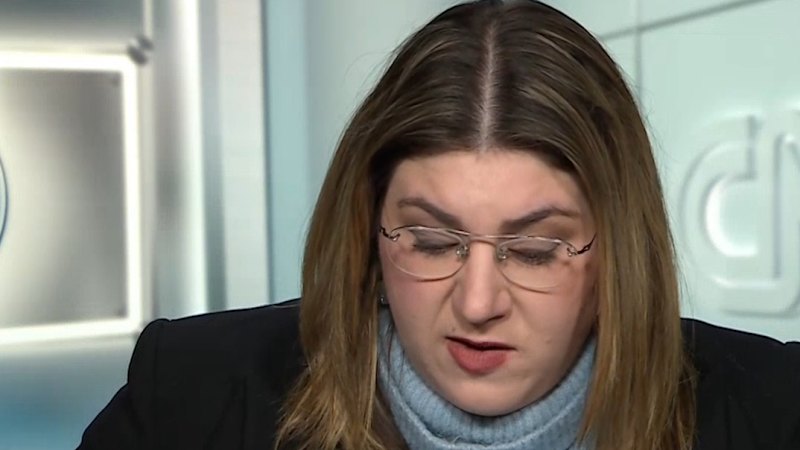
“Data from the black box will reveal what happened,” Inan told NTV broadcaster, but cautioned that a thorough analysis could take several months. You can expect a detailed report once the data is fully processed.
International Response & Libya’s Political Landscape
The crash comes at a sensitive time for Libya, a nation grappling with political division. The country is currently split between:
* A UN-recognized government in Tripoli, led by Prime Minister Dbeibah.
* A rival administration in the east, headed by Commander Khalifa Haftar.
Turkey maintains close ties with the Tripoli-based government,providing both economic and military support. However, Ankara has recently been making overtures to the eastern administration, signaling a potential shift in diplomatic strategy. president Recep Tayyip Erdogan offered his condolences to Prime Minister Dbeibah in a phone call, demonstrating Turkey’s commitment to stability in the region.
Ongoing Response & Recovery Efforts
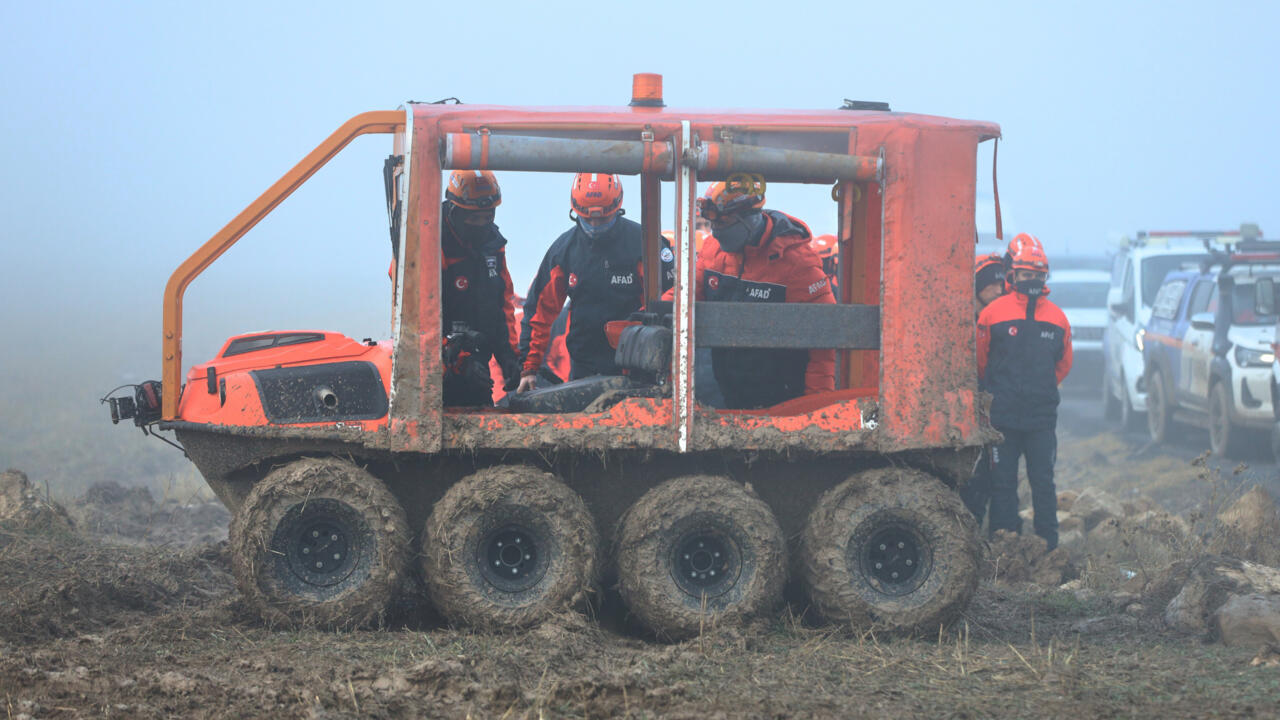
A important response effort is underway, involving 408 personnel from Turkey’s disaster agency (AFAD), police, and health services. Drones are providing real-time imagery of the crash site,which covers approximately three square kilometers (one square mile).
The recovery of the bodies is ongoing,and authorities are working to provide support to the Libyan delegation and the families of the victims.
what to Expect Next
As the investigation progresses, you can anticipate:
* detailed analysis of the flight data and voice recorders.
* Regular updates from Turkish and Libyan authorities.
* Continued diplomatic engagement between Turkey and Libyan factions.
* A comprehensive report outlining the cause of the crash and any contributing factors.
This is a developing story, and we will continue to provide updates as more information becomes available.
(FRANCE 24 with AFP)
Disclaimer: this article is based on currently available information and is subject to change as the investigation unfolds.