
Designing Behavioral Health Facilities: Prioritizing Safety, Comfort, and compliance
Creating supportive and healing environments for behavioral health patients requires a thoughtful approach to facility design. It goes beyond aesthetics, demanding meticulous attention to mechanical, electrical, and plumbing (MEP) systems. Your patients’ well-being, and your facility’s regulatory compliance, depend on it.
Safety First: Ligature and Tamper Resistance
Patient safety is paramount. All equipment within patient areas – particularly AC units – must be ligature- and tamper-resistant. This proactive design minimizes potential risks and provides a secure environment. Electrical systems share this critical need, requiring careful planning to eliminate vulnerabilities.
essential Electrical Systems & Backup Power
Behavioral health facilities have unique electrical demands. Reliable emergency power backup systems are non-negotiable, ensuring uninterrupted care during outages. Complete MEP compliance isn’t just about ticking boxes; it’s about efficient operations, meeting stringent standards, and fostering a safe, healing space for everyone.
Minimizing Stress Through Acoustic design
Consider the impact of noise on your patients. Excessive noise can substantially increase stress and impede recovery. Strategic placement of potentially loud MEP equipment is key. By thoughtfully locating these systems, you can cultivate a quieter, more peaceful atmosphere conducive to healing and rest.
Key Considerations for MEP Systems in Behavioral Health:
* HVAC: Prioritize ligature-resistant designs and quiet operation.
* Electrical: Implement robust emergency backup systems and tamper-proof outlets/fixtures.
* Plumbing: Select durable, vandal-resistant fixtures.
* Lighting: (While not the focus here, consider glare reduction and calming color temperatures).
* Overall: integrate systems to minimize noise and maximize energy efficiency.
A Real-World Exmaple: Prioritizing Patient-Centered Design
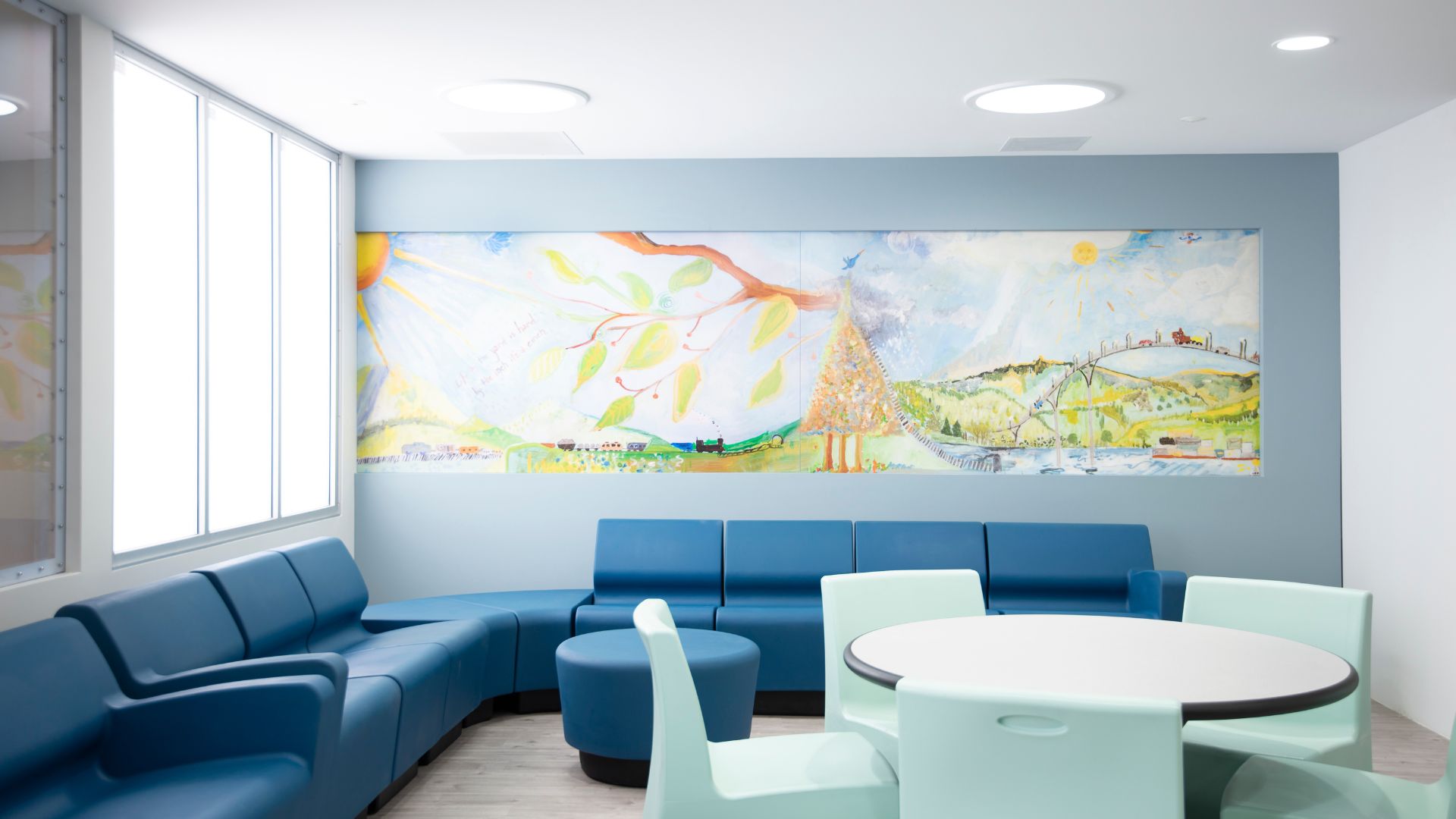
The Carrier Behavioral Clinic at Raritan Bay Medical Center exemplifies these best practices. This facility demonstrates how careful MEP planning can create a truly supportive environment. It’s a testament to the power of prioritizing patient needs in every design decision.
By focusing on safety, comfort, and compliance, you can build a behavioral health facility that truly supports the healing journey. Remember, a well-designed environment is a powerful tool in promoting positive outcomes for your patients and a more enduring, efficient operation for your team.





