
LSU’s Coaching Carousel: A Case Study in Political Interference and the Modern Challenges of College Football Hiring
The recent upheaval in LSU football, culminating in the abrupt firing of head coach Brian Kelly and a public clash between Governor Jeff Landry and Athletic Director Scott Woodward, isn’t simply a story of on-field performance. It’s a revealing case study in the increasingly complex intersection of big-money college athletics, political maneuvering, and the evolving landscape of Name, Image, and Likeness (NIL) and the transfer portal. This situation highlights the critical need for strategic, discreet leadership in navigating the modern challenges of building and sustaining a championship-caliber program.
A History of Success,A Sudden disruption
LSU has a proud football tradition,steeped in national championships. The program’s lineage boasts legendary coaches – Nick Saban, Les Miles, and Ed Orgeron - all of whom delivered ultimate success. Brian Kelly, brought in with a 10-year, $100 million contract, was expected to continue that legacy. While the financial commitment was substantial, it aligned with the going rate for elite coaching talent, and was unanimously approved by the LSU Board of Supervisors.
Though, Kelly’s tenure, despite a respectable 10-win season, fell short of expectations. A playoff berth remained elusive. Governor Landry, seemingly prioritizing optics over process, swiftly orchestrated Kelly’s dismissal, saddling the university with a $54 million buyout. The timing, coupled with a public rebuke of Woodward for the initial hiring, signaled a dramatic shift in power dynamics and a concerning level of political interference.
The Perils of Publicly Airing Dirty Laundry
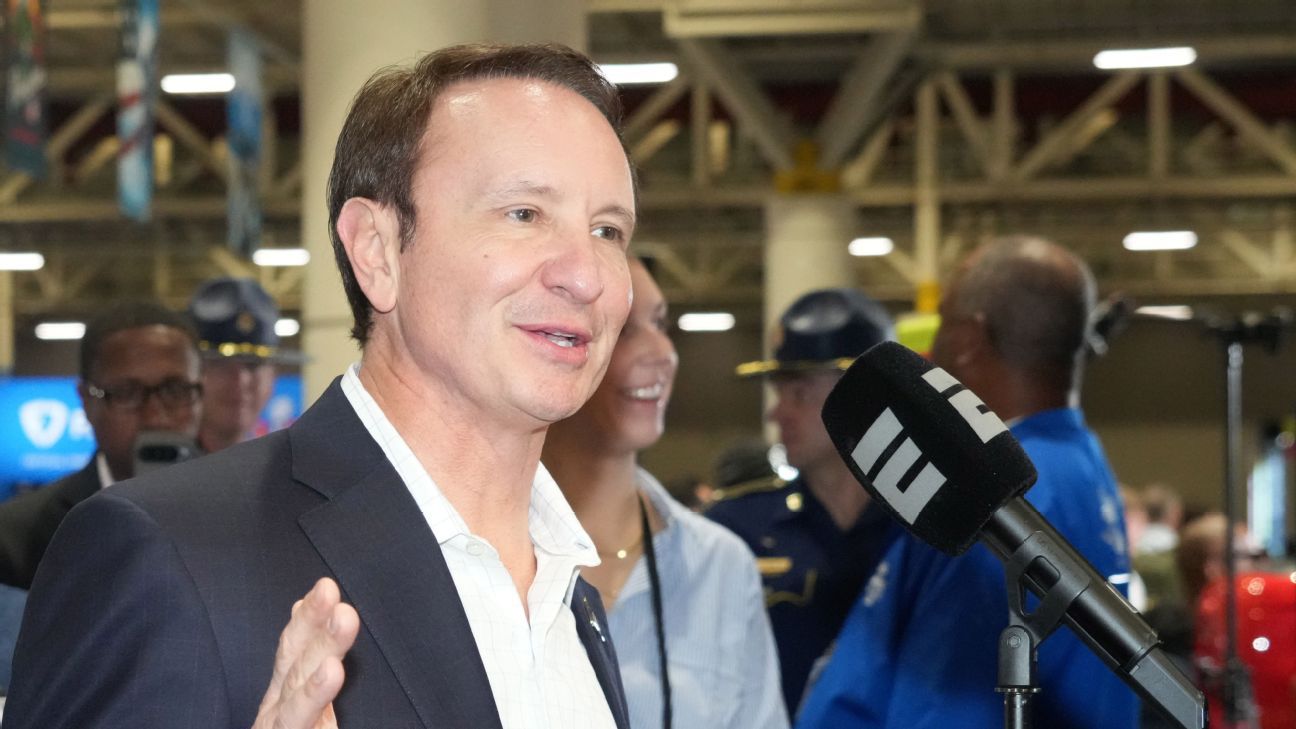
Landry’s subsequent press conference, held while announcing initiatives for social programs, felt deliberately pointed. Declaring Woodward would not be involved in the next coaching search was a clear attempt to assert control and publicly assign blame. While concerns about coaching contract inflation and the influence of shared agents are valid - and Landry rightly pointed to the escalating costs of buyouts, referencing Jimbo Fisher’s situation at Texas A&M – the manner in which these concerns were raised was deeply problematic.
The Governor’s claims regarding taxpayer funding for Kelly’s buyout were also inaccurate, relying on private funds to cover the expense. This highlights a risky tendency to prioritize narrative over factual accuracy, a tactic that erodes trust and undermines the university’s ability to attract top talent.
Woodward’s Record: beyond the Kelly Hire
It’s crucial to acknowledge Scott Woodward’s broader contributions to LSU athletics. He oversaw the hiring of successful coaches in baseball and women’s basketball, both of whom have delivered national championships. Women’s gymnastics also achieved national prominence under his leadership. His track record extends beyond LSU, including the revitalization of the Washington football program with Chris Petersen. while the Kelly hire proved unsuccessful, dismissing Woodward’s overall competence based solely on this outcome is a disservice to his accomplishments.
The New Landscape of College Football Hiring
The challenges facing LSU are emblematic of the broader shifts occurring in college football. The NIL and transfer portal have fundamentally altered the recruiting landscape, demanding a new skillset from coaches and athletic administrators. Navigating these complexities requires a nuanced understanding of the legal and financial implications, as well as the ability to build strong relationships with boosters and donors.
The search for a new coach is further intricate by the fact that top candidates are in high demand. Coaches like Lane Kiffin, currently at Ole Miss, will command notable compensation and will carefully evaluate thier options. LSU possesses the resources, recruiting base, and tradition to be a top-five job, but attracting a premier coach requires a discreet, strategic approach – not a public spectacle.
The Importance of Stability and a Unified Front
LSU’s current situation is further complicated by the lack of permanent leadership in the Athletic Director and President positions.An interim AD, coupled with a Governor wielding significant influence over the Board of Supervisors, creates a volatile environment. A successful hire requires a cohesive team – a president, AD, and Board of Supervisors – working in alignment.
The perception of chaos surrounding the program is a significant hurdle. Potential recruits and coaches will be wary of joining a program embroiled in political infighting. LSU must project an image of stability and professionalism to attract the talent necessary to compete at the highest level.
Looking Ahead: A Path to Recovery
LSU’s future success hinges on several key factors:
* Restoring Stability: Prioritizing the swift appointment of a permanent Athletic Director and University president is paramount.
* **Respecting




![Wearable Tech: New Analog Computer Chip Boosts Efficiency | [Year]](https://i0.wp.com/spectrum.ieee.org/media-library/image.jpg?resize=150%2C100&ssl=1 "Wearable Tech: New Analog Computer Chip Boosts Efficiency | [Year]")