Navigating a Complex Future: International Efforts in Post-Conflict Gaza and the recognition of a Palestinian State
The situation in Gaza remains incredibly fragile, demanding a multifaceted approach to ensure stability and a lasting peace. Recently, discussions have centered on a potential international force deployed to the region. This mission would prioritize the protection of civilians caught in the crossfire, a critical first step toward rebuilding lives and fostering trust.
Furthermore, a key objective is to facilitate a smooth transition of security responsibilities to the Palestinian Authority. This isn’t simply about handing over control; it’s about empowering Palestinian leadership to effectively govern and maintain order. Crucially, the proposed force would also provide security guarantees for both Palestine and Israel, including monitoring any future ceasefire agreement. This oversight is vital to prevent a resurgence of violence and build confidence in the peace process.
A Shift in Global Recognition
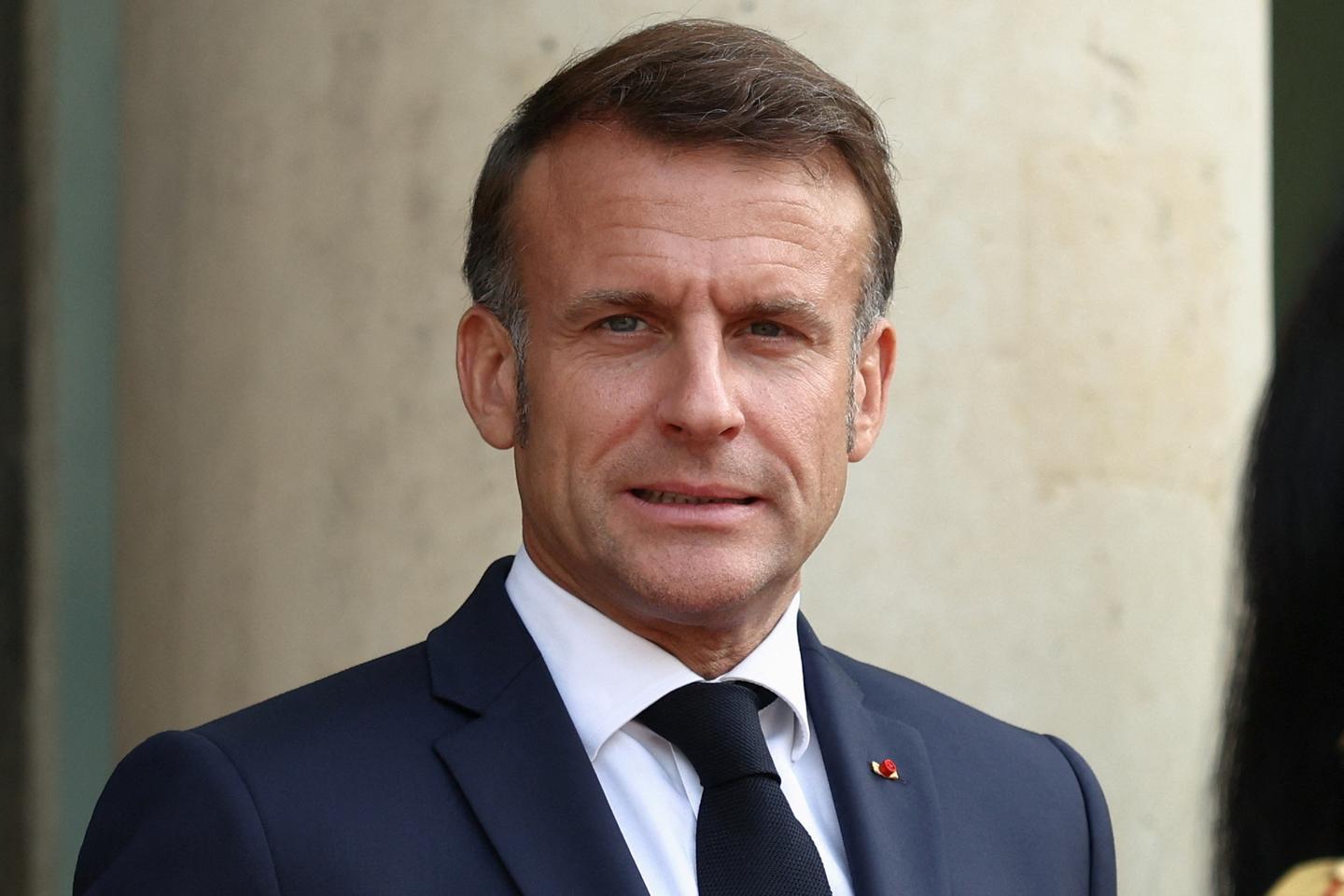
Simultaneously, a notable diplomatic shift is underway with increasing international recognition of a Palestinian state. France recently confirmed its intention to formally recognize Palestine in September, during the United Nations General Assembly in New York.
This decision, however, hasn’t been without strong reaction.Israeli officials have voiced vehement opposition, characterizing the move as a reward for terrorism and an existential threat to Israel. They fear it could undermine ongoing negotiations and embolden extremist elements. Following France’s announcement, the United Kingdom, canada, and Portugal have also begun considering recognition, albeit with certain conditions attached.
Here’s a breakdown of the key concerns and considerations:
Israeli Perspective: Concerns center around the timing of recognition, fearing it preempts final status negotiations and weakens Israel’s negotiating position.
Palestinian Perspective: Recognition is viewed as a essential right and a crucial step toward achieving self-determination and a viable state.
* International Implications: The wave of recognition could reshape the geopolitical landscape,perhaps influencing future peace talks and regional stability.
I’ve found that these kinds of diplomatic moves often carry unintended consequences. while intended to foster peace, they can also escalate tensions if not carefully managed and accompanied by concrete steps toward a two-state solution.
Ultimately, the path forward requires a delicate balance of security concerns, political realities, and a genuine commitment to a just and lasting peace for both Israelis and Palestinians. It’s a complex challenge, but one that demands sustained international attention and a willingness to engage in constructive dialog.