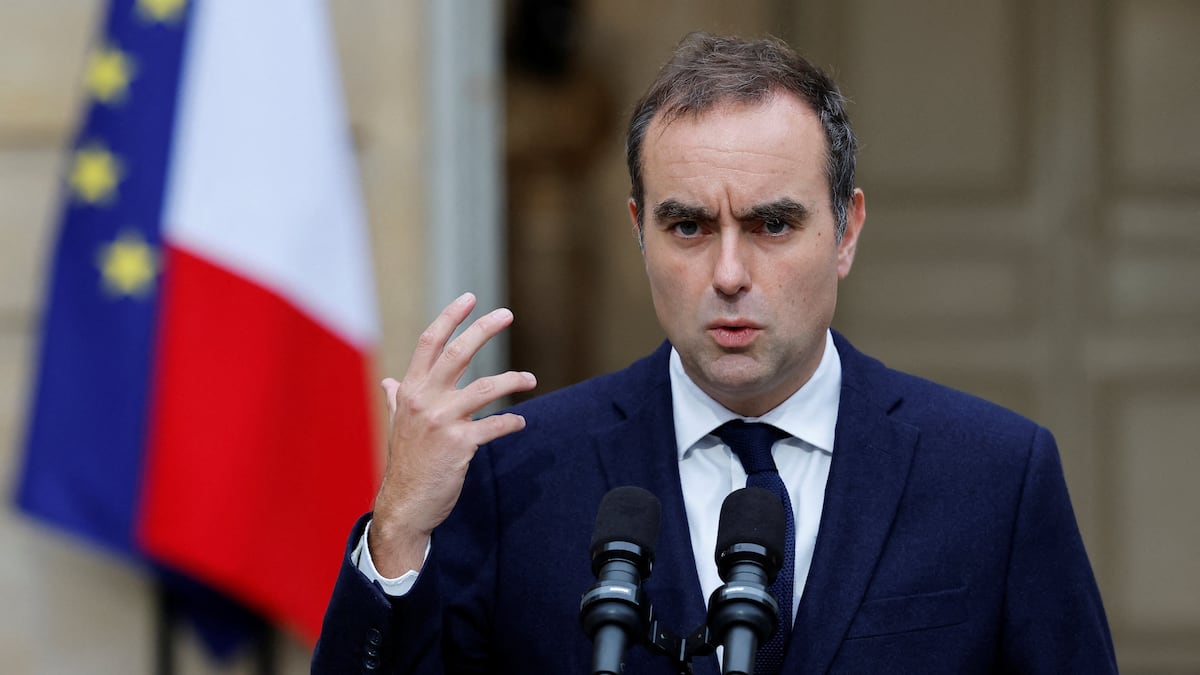
France on the Brink: Navigating an Unprecedented political Crisis
France is currently facing a political crisis unlike any seen since the founding of the Fifth Republic in 1958. Recent events have shaken the foundations of the government, leaving the nation grappling with instability and uncertainty. You’re likely seeing headlines about this,and understandably,many are concerned about what this means for France and the wider European landscape.
Let’s break down what’s happening, why it matters, and what potential paths lie ahead.
A Cascade of Challenges
The current turmoil began following disappointing results for the President’s party in the European Parliament elections. Later, snap legislative elections were called, triggering a series of rapid and destabilizing events.
Here’s a timeline of the key developments:
* June 9th, 2024: The President dissolved the National Assembly, initiating new legislative elections.
* recent Prime Minister’s Resignation: A newly appointed Prime Minister resigned just hours after announcing his cabinet,failing to garner sufficient support.
* Market Reaction: Financial markets have responded negatively, reflecting a lack of confidence in the country’s political direction.
* Calls for Presidential Change: Even within the President’s own political circle, voices are emerging suggesting a change in leadership.
These events have created a climate of profound distrust. Notably, confidence in the current President has plummeted, even surpassing the lowest points experienced by his predecessor.
The Sticking Point: A Divided Assembly
The core issue is the lack of a clear majority in the National Assembly. The current political landscape is fractured, with three primary blocs:
* The Left: Representing a diverse range of socialist and progressive ideologies.
* The Macronist Camp: Supporters of the current President’s political agenda.
* The National Rally (Far-Right): Led by Marine Le Pen, this party has seen a notable surge in popularity.
Currently, none of these blocs appear capable of securing a decisive majority on their own. This creates a scenario where governing effectively becomes incredibly challenging, if not impossible.The possibility of another hung parliament – a repeat of the current deadlock – looms large.
The Fear Factor & Political Maneuvering
The President and his allies are currently leveraging the fear of another snap election. Another vote carries no guarantee of a more stable outcome. Despite a rise in support for Marine Le Pen’s National Rally – currently polling at around 35% for the presidential election – a clear victory isn’t assured.
However, Le Pen’s party has refused to engage in discussions aimed at resolving the crisis, further complicating matters. This reluctance underscores the deep divisions within French politics.
What’s at Stake?
This isn’t simply a domestic political issue. France is a major economic power and a key player in the European Union. Instability in France has ripple effects across the continent and beyond.
Consider these potential consequences:
* Economic Uncertainty: Continued political turmoil could further damage investor confidence and hinder economic growth.
* policy Paralysis: Without a functioning government, critical policy decisions will be delayed or abandoned.
* Erosion of international Influence: A weakened France may struggle to exert its influence on the global stage.
* Rise of Extremism: Prolonged instability could create an environment conducive to the growth of extremist ideologies.
A Fourth Prime Minister?
As of this writing, the President is preparing to appoint his fourth Prime Minister in just over a year. This unprecedented turnover highlights the severity of the crisis and the difficulty in finding a leader who can unite a deeply divided nation.
The situation remains fluid and unpredictable. While a resolution isn’t immediately apparent, the coming days and weeks will be crucial in determining the future of France. it’s a challenging time, but understanding the complexities of the situation is the first step toward navigating this period of uncertainty.
Disclaimer: *This analysis is based on publicly available details