
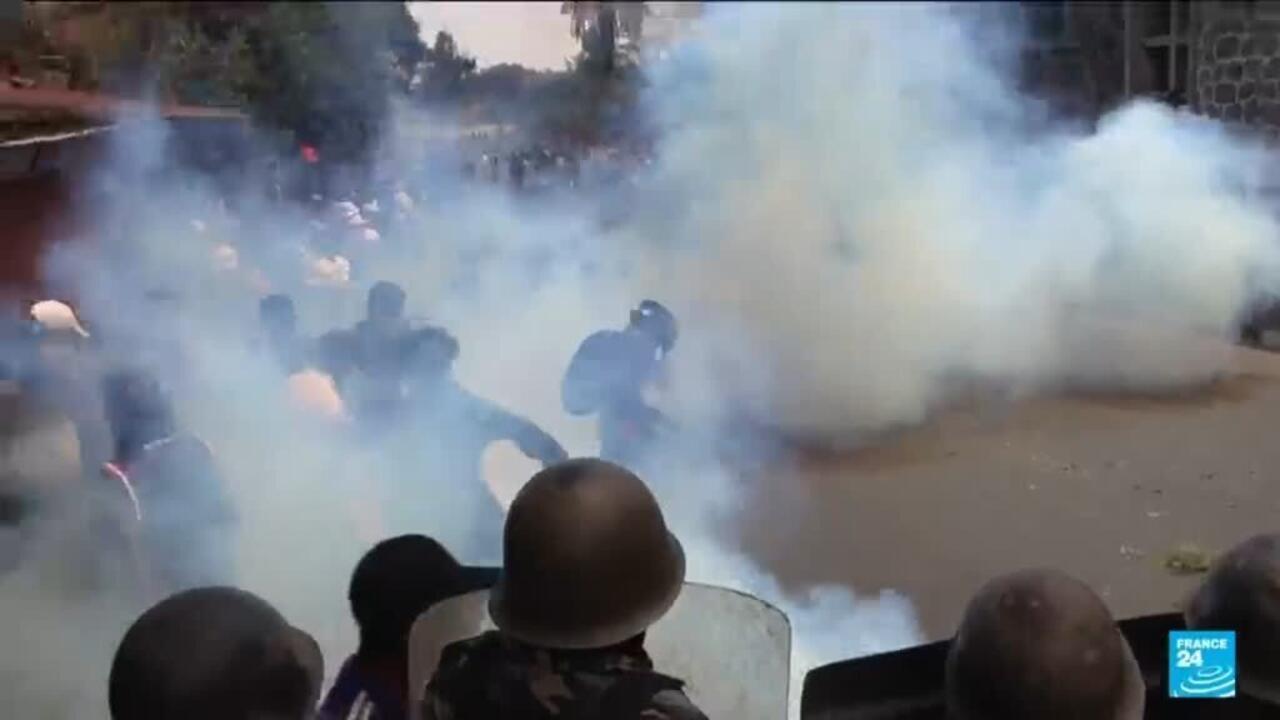
Madagascar‘s Political Crisis: Understanding the Protests and Potential Coup
Recent events in Madagascar have plunged the nation into a state of political turmoil. Hundreds have gathered in antananarivo, the capital, to mourn those lost in escalating protests. These demonstrations, initially sparked by frustrations over basic services, have quickly evolved into a widespread demand for systemic change and the resignation of President Andry Rajoelina. Understanding the Madagascar protests requires a look at the underlying issues, the key players, and the potential consequences for the island nation.
The Roots of Discontent: From Utility Cuts to Systemic Corruption
Initially, the unrest began as a response to frequent and disruptive utility cuts – specifically electricity and water – impacting daily life for many Malagasy citizens. However, this quickly broadened into a larger movement fueled by deep-seated anger over perceived government corruption and a lack of economic opportunity. The youth-lead “Gen Z Madagascar” movement has been instrumental in mobilizing citizens,leveraging social media to amplify their message and coordinate demonstrations.
This isn’t simply about inconvenience; it’s about a generation feeling disenfranchised and believing the current system fails to address their needs. Recent data from the World Bank (October 2023) indicates that over 77% of Madagascar’s population lives below the poverty line, and youth unemployment remains stubbornly high at around 60%. These statistics underscore the economic pressures driving the current unrest.
The Escalation: Military Involvement and Coup Allegations
The situation took a dramatic turn when the elite military unit, CAPSAT (Compagnie d’Intervention d’Submission Spéciale), publicly joined the anti-government protesters. this unit, considered highly loyal, has demanded President Rajoelina’s resignation and even appointed a new army chief – a move the presidency has vehemently denounced as an “attempted coup.”
This intervention by a key military faction significantly raises the stakes. It suggests a fracturing within the security forces and a potential power struggle. The appointment of a new army head, without presidential approval, directly challenges Rajoelina’s authority and control. The involvement of the military introduces a risky element of instability, possibly leading to further violence and a prolonged crisis. Are we witnessing a genuine attempt to restore order, or a power grab disguised as popular uprising?
Key Players and Their Motivations
* Andry Rajoelina: The current president, who initially came to power through a coup in 2009. His leadership has been marked by periods of political instability and accusations of authoritarianism.
* Gen Z Madagascar: A youth-led movement driving the protests, focused on ending corruption and improving living conditions. They represent a powerful force for change.
* CAPSAT: The elite military unit whose defection has dramatically escalated the crisis. Their motivations are complex, potentially stemming from dissatisfaction with the government or a desire to prevent further chaos.
* The Malagasy People: The citizens bearing the brunt of the economic hardship and political instability, demanding a better future.
Potential Outcomes and International implications
The current situation in Madagascar is highly fluid. Several outcomes are possible:
* Rajoelina’s Resignation: The protesters’ primary demand. This could lead to a transitional government and eventual elections.
* Military Takeover: A more concerning scenario, potentially leading to a prolonged period of military rule and suppression of dissent.
* Negotiated Settlement: A compromise between the government and the protesters, addressing some of their key demands.
* Continued Stalemate: A prolonged period of unrest and instability, with no clear resolution.
internationally, the African Union and other regional bodies are closely monitoring the situation. The Southern African Advancement Community (SADC) has expressed concern and called for dialog. The stability of Madagascar is crucial for regional security, and a prolonged crisis could have ripple effects throughout the Indian Ocean region.
What You Can Do: Staying Informed and Supporting Positive Change
You can stay informed about the evolving situation in Madagascar by following reputable news sources and organizations focused on African affairs. Consider


