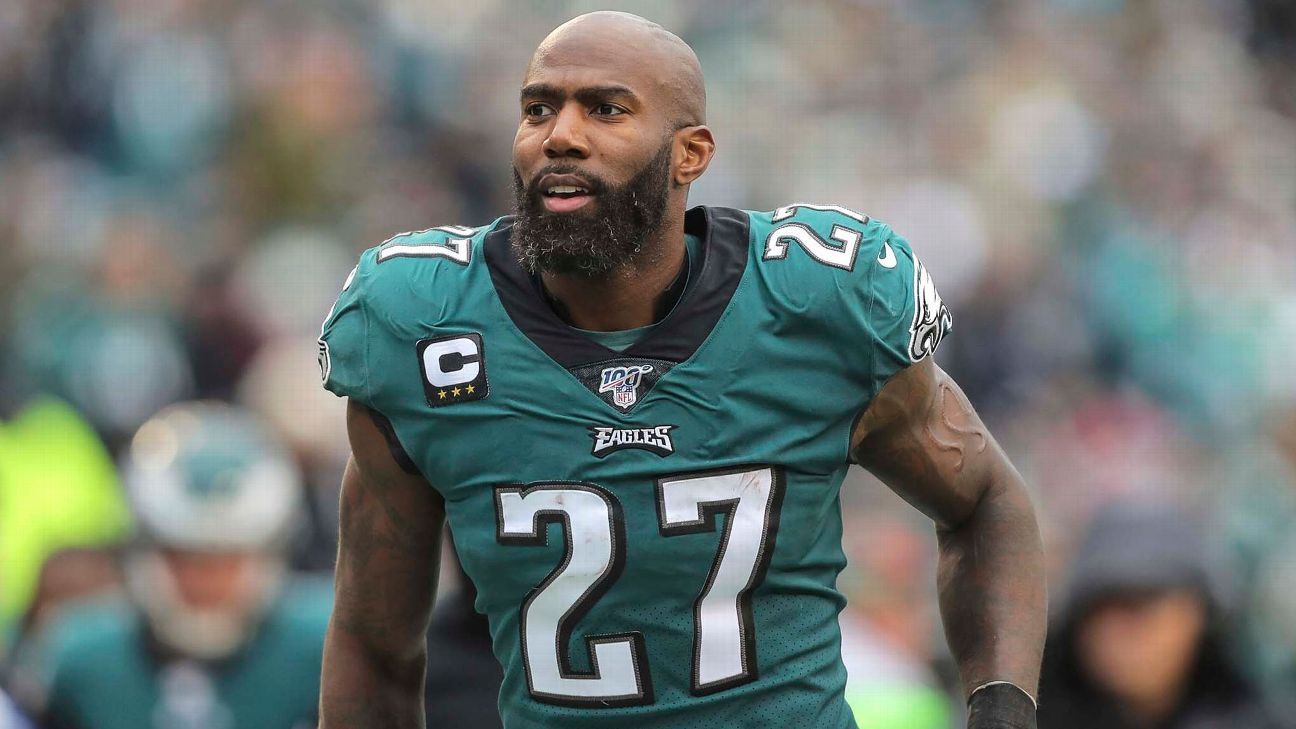
Beyond the Field: Malcolm Jenkins on Jalen Hurts, Leadership, and the Obligation of Athletes
Jalen Hurts is stepping into a uniquely challenging environment in Philadelphia. it’s a city known for its passionate - and frequently enough critical – fanbase. But according to veteran safety Malcolm Jenkins, Hurts is uniquely prepared to thrive. “It’s a tough city, but you’re ready for it,” Jenkins observes, a sentiment born from years of observing Hurts both as a competitor and a fan.
Jenkins, who spent six impactful seasons as an Eagle himself, doesn’t mince words when assessing Hurts’ capacity for leadership. “I think in watching him as an opponent, and as a fan, there is nobody else who’s more equipped to be in the position that he’s in right now,” he states. He’s seen quarterbacks come and go, but few possess the mental fortitude to shoulder the expectations that come with leading a franchise like the Eagles. Hurts, Jenkins believes, is diffrent. His Super Bowl appearance and continued success demonstrate a rare ability to perform under immense pressure.
But leading in a city like Philadelphia isn’t just about on-field performance. It’s about navigating a constant barrage of opinions and scrutiny. Jenkins illustrates this brilliantly with a relatable analogy: a family road trip.
“He’s the one driving. He’s got his hands on the wheel. He’s looking for all of the hazards. He’s the one getting us to the destination,” Jenkins explains. “And a lot of us are in the backseat complaining about how bumpy the ride is, how close we got to almost crashing. And realy it’s up to him to keep his focus and block it all out.” True leadership, Jenkins argues, is about maintaining focus on the ultimate goal, even when faced with constant feedback – and sometimes, outright criticism.
Jenkins clearly admires Hurts’ unwavering commitment to his vision. “I’m a big fan of Jalen, not only because of my personal relationship, but just because of what he stands for and understanding myself what it looks like to have a vision for a team, something that maybe not everybody sees, but I have to stand 10 toes down on it until everybody sees what I see.”
Navigating Expectations: A Familiar Path
Jenkins understands the weight of expectation firsthand. His arrival in Philadelphia in 2014 wasn’t greeted with global acclaim. Fans clamored for other high-profile safeties.Yet, the Eagles saw value in Jenkins’ versatility, signing him to a three-year deal.
He quickly proved his worth, starting every regular-season game over his six seasons and playing 99% of defensive snaps in five of them. His stats – 11 interceptions (four returned for touchdowns), 58 passes defensed, and over 500 tackles – speak for themselves. He was a cornerstone of the 2017 Super Bowl team, even amidst meaningful injuries to key players like Carson Wentz and Jason Peters.
but Jenkins’ impact extended far beyond the football field. he together led the Players Coalition, dedicating his time and energy to advocating for social reform, even traveling to Harrisburg, Pennsylvania, on his days off.
The Athlete’s Responsibility: Beyond the Game
Jenkins believes athletes have a unique platform – and a responsibility – to use it for good. “I think as athletes, we’re always trying to blame blocking out distractions. We don’t want to do anything outside of our routine, but I think that makes us great football players but really ineffective citizens.”
He actively challenged the notion that focusing solely on athletic performance excused athletes from civic engagement. ”I wanted to be both and understood that required sacrifice,” he says.
That sacrifice, he argues, is minimal compared to the support athletes receive from their communities. “When you think about that, especially now on this end of it when I’m no longer on the field, I don’t think we consider how much energy and time the community gives us. People show up every week, every year, for generations, with energy, passion, pride, support, money.”
For Jenkins, choosing to engage with social issues wasn’t just a moral imperative; it was a reciprocal act of gratitude. “I felt more of a responsibility if I was going to call this place home.”
Malcolm Jenkins’ career exemplifies a powerful truth: true leadership isn’t just about winning games. It’s about using your platform to inspire change, embracing responsibility, and understanding that the impact of an athlete extends far beyond the playing