
Mali‘s Schools Under Siege: How Armed Conflict is Stealing a Generation’s Future
Mali is facing a deepening crisis.The country’s education system is increasingly under attack, not by direct targeting of schools, but through a calculated campaign of blockades and disruptions orchestrated by the Jama’at Nasr al-islam wal Muslimin (JNIM), an al-Qaeda-linked militant group. This isn’t simply about closed classrooms; it’s about a intentional attempt to cripple the future of an entire nation.
The Blockade’s Grip on Bamako and Beyond
JNIM’s strategy centers on paralyzing key areas, including the capital, Bamako. They’re achieving this by establishing roadblocks that strangle supply routes, disrupt transportation, and even cut off access to essential services like electricity. This isn’t a conventional war tactic; it’s a siege impacting everyday life for millions.
You might be wondering how this impacts education. The answer is profoundly.
School Closures and a Generation at Risk
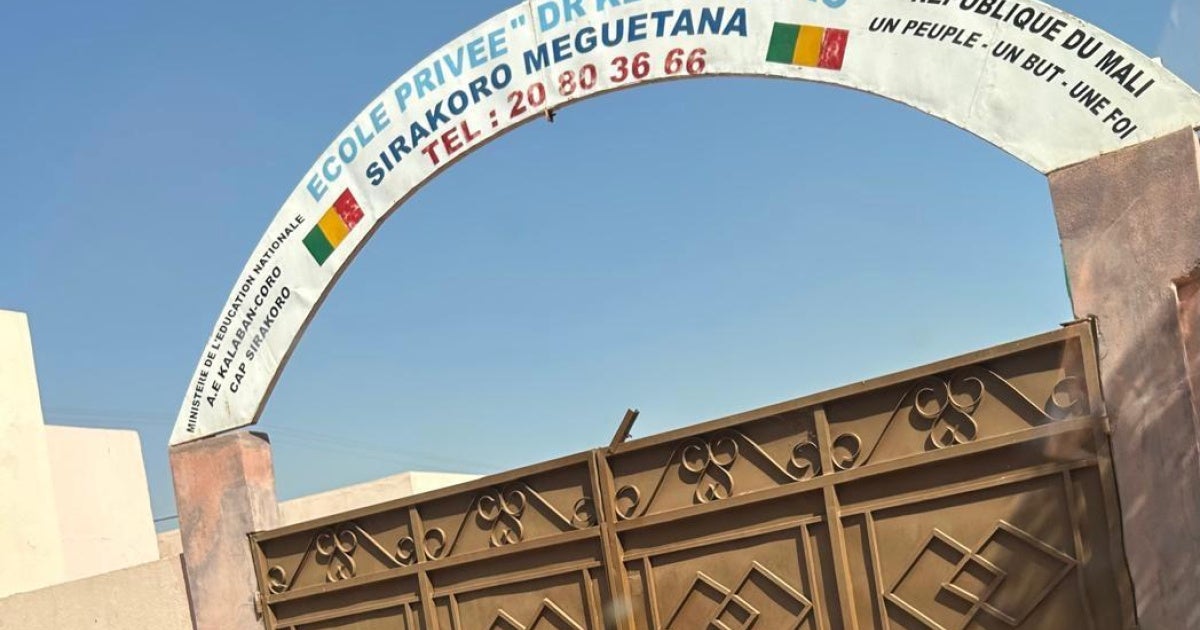
In late October 2025, Mali’s education minister announced a nationwide suspension of classes. While intended to ensure student safety, even temporary closures carry significant consequences in a country already grappling with instability. As one deputy school director in Bamako explained, “A short break can have huge consequences.”
The numbers paint a stark picture:
* Over 2,000 schools remain closed across Mali as of June 2025, according to UNICEF.
* This closure affects more than 600,000 students, denying them access to education.
* These interruptions exacerbate existing challenges stemming from armed conflict, violence, and widespread displacement.
These aren’t just statistics; they represent lost opportunities, diminished futures, and a generation at risk.
International Law and the Protection of Education
The international community has repeatedly affirmed the importance of protecting education during conflict. In 2011, the UN Security Council passed a resolution urging all parties to refrain from actions that impede children’s access to learning. However, the reality on the ground in Mali demonstrates a clear disregard for these principles.
While the laws of war don’t explicitly prohibit sieges, they do require warring parties to adhere to crucial principles:
* Distinction: Civilians and civilian infrastructure must be protected.
* Proportionality: Military actions must be proportionate to the military advantage gained.
* Precaution: All feasible precautions must be taken to avoid civilian harm.
Crucially, sieges cannot involve tactics that deliberately deny civilians access to essential items for survival. JNIM’s blockade, by disrupting access to basic necessities and hindering education, raises serious concerns under international humanitarian law.
What Needs to Happen Now
The situation demands immediate and decisive action from all stakeholders.
JNIM must:
* Promptly cease all attacks targeting civilians and civilian objects.
* Facilitate the safe and unimpeded delivery of humanitarian assistance, including educational resources.
Mali’s authorities must:
* Uphold thier obligations under international human rights law to ensure the right to education for all.
* onyl close schools as a last resort,when absolutely necessary and proportionate to a legitimate aim.
* Limit the duration of any school closures and prioritize reopening schools as soon as conditions allow.
* ensure compulsory primary education remains a top priority, even during emergencies.
A Call for Collective Obligation
Ultimately, protecting Mali’s children requires a concerted effort from both sides of the conflict. It’s not enough to simply react to crises; proactive measures are needed to safeguard education and ensure a future for the next generation.
The disruption of education isn’t just a symptom of conflict; it’s a catalyst for further instability. Investing in education is investing in peace, and failing to do so will have devastating consequences for Mali and the wider region.
Resources:
* ISS Africa: Terrorist Roadblocks Strangle the Economies of Mali and its Neighbours
*


