

Political tensions in West Bengal have reached a new peak as Chief Minister Mamata Banerjee leveled serious accusations against the Bharatiya Janata Party (BJP) and the Election Commission of India (ECI). In a series of claims, Banerjee alleged that the BJP filed fake affidavits in an attempt to cancel her nomination for the Bhabanipur seat, describing certain processes as a “scam” and accusing the ECI of facilitating electoral manipulation.
These allegations emerge amidst a broader pattern of friction between the West Bengal state government and the central electoral body. The Chief Minister has repeatedly questioned the integrity of the democratic process in the region, specifically targeting the role of the ECI in managing voter lists and the technical reliability of Electronic Voting Machines (EVMs).
As the state prepares for the West Bengal Elections 2026, the clash over the Bhabanipur nomination serves as a flashpoint in a larger struggle over electoral fairness and institutional neutrality.
Allegations of Nomination Sabotage and “SIR Scam”
At the center of the current controversy are claims made by Mamata Banerjee regarding her nomination for the Bhabanipur constituency. The Chief Minister alleges that the BJP utilized fraudulent affidavits to mislead the Election Commission, with the ultimate goal of having her candidacy canceled. Banerjee has characterized these actions, and a process she refers to as “SIR,” as a scam designed to manipulate the electoral outcome.
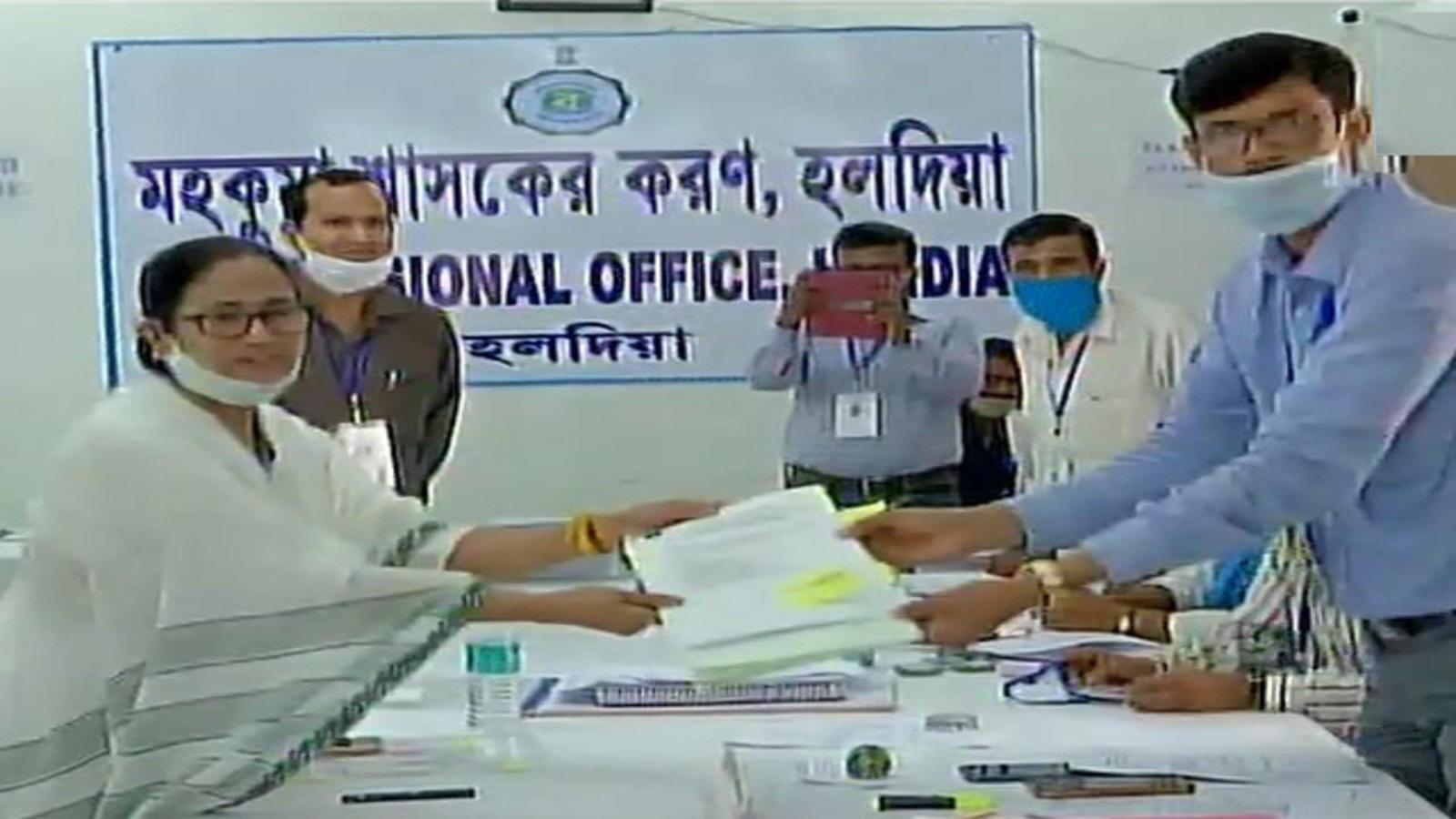
Banerjee has accused the ECI of aiding this perceived manipulation. While these specific claims regarding fake affidavits and the “SIR” process have been voiced by the Chief Minister, they remain central to her argument that the electoral machinery is being weaponized by her political opponents to destabilize her leadership in the state.
Systemic Critiques of the Election Commission
The dispute over the Bhabanipur nomination is not an isolated incident but part of a wider critique of the ECI’s operations in West Bengal. Banerjee has specifically slammed the commission over the issue of voter list deletions, suggesting that the removal of eligible voters is a calculated move to influence results.
Beyond voter registration, the Chief Minister has raised alarms regarding the hardware of the voting process. Banerjee has insisted that EVMs must be checked properly to ensure they are free from tampering. This demand for transparency reflects a deep-seated distrust in the electronic systems currently employed by the ECI.
What This Means for West Bengal’s Political Landscape
The recurring theme of “plots” and “scams” underscores the extreme polarization in West Bengal’s political environment. By framing the conflict as a battle between the state’s democratic will and a coordinated effort by the BJP and ECI, Banerjee is positioning herself as a defender of regional autonomy and electoral integrity.
For the global observer, these developments highlight the challenges faced by electoral bodies in maintaining perceived neutrality in highly contested regions. The tension is not merely about a single seat in Bhabanipur, but about the legitimacy of the entire framework governing the 2026 elections.
The 2026 Election Outlook
As the countdown to the 2026 polls continues, the narrative of institutional bias remains a primary talking point for the Trinamool Congress (TMC). Mamata Banerjee recently alleged that a broader “BJP ECI plot” regarding seat bids had failed, suggesting that the opposition’s attempts to undermine her party’s position through administrative means have been unsuccessful.
The impact of these allegations is twofold: they mobilize the Chief Minister’s base by creating a sense of external threat, and they position the ECI under intense scrutiny to prove its impartiality through more rigorous auditing and transparent voter list management.
| Issue | Allegation | Target of Criticism |
|---|---|---|
| Bhabanipur Nomination | Use of fake affidavits to cancel nomination | BJP / ECI |
| Voter Registry | Arbitrary deletion of names from voter lists | ECI |
| Voting Technology | Lack of proper verification for EVMs | ECI |
| Seat Strategy | Coordinated plot to manipulate seat bids | BJP / ECI |
The coming months will likely see further legal challenges and public protests as both the BJP and TMC vie for dominance. The ECI’s ability to address these concerns—or its failure to do so—will be a critical factor in the stability of the region leading up to the polls.
The next confirmed checkpoint for this developing story will be the official release of the updated voter lists and the formal notification of the 2026 election schedule by the Election Commission of India.
We invite our readers to share their perspectives on electoral transparency in the comments below. Please share this report to keep the global community informed on West Bengal’s political developments.