
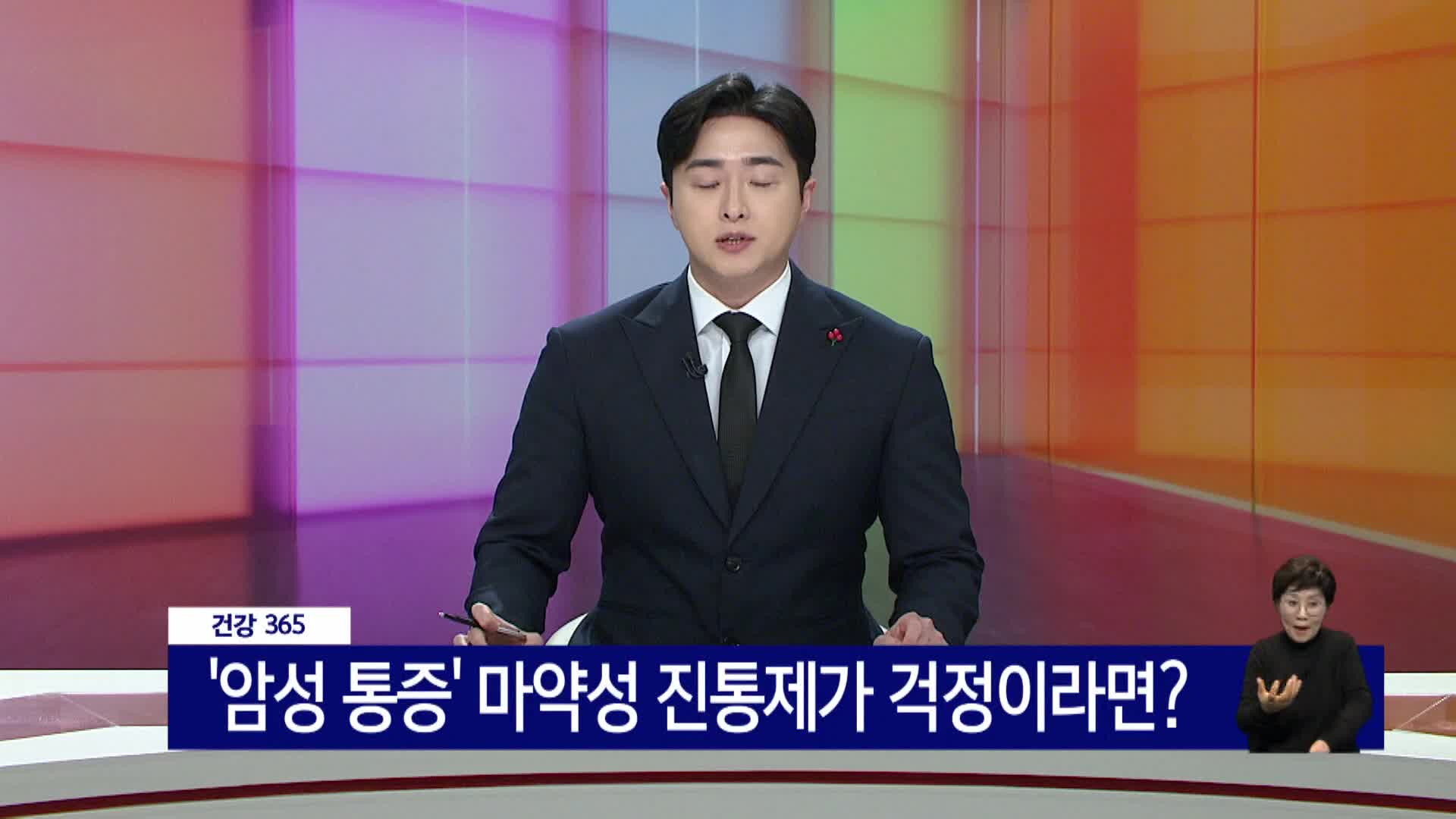
Understanding Cancer Pain Management
Cancer pain is a important concern for many patients, but effective management strategies are available. Treatment approaches are tailored to the individual, considering the source and nature of the pain. The goal is to minimize suffering and improve quality of life, often allowing patients to continue treatment and daily activities.
Treatment Options for Cancer Pain
Initial treatment typically involves medications. These can range from over-the-counter pain relievers to stronger prescription drugs. Commonly used medications include:
- Non-opioid analgesics: Such as acetaminophen and nonsteroidal anti-inflammatory drugs (NSAIDs) can be effective for mild to moderate pain. Cancer.gov
- Opioid analgesics: These are used for moderate to severe pain. It’s crucial to use these medications as prescribed to minimize side effects and the risk of dependence. CDC – Opioid Basics
- Adjuvant analgesics: These medications are not primarily designed for pain relief but can definitely help manage specific types of cancer pain, such as nerve pain. Examples include antidepressants and anticonvulsants. Mayo Clinic – Cancer pain
When medication alone isn’t enough, various interventional procedures can provide relief:
- Nerve blocks: Injections of local anesthetics near nerves to block pain signals.
- Sympathetic nerve blocks: These can help manage pain caused by nerve damage.
- Radiofrequency ablation: Uses heat to damage nerves and reduce pain transmission.
- Intrathecal drug delivery systems (pain pumps): These devices deliver pain medication directly to the spinal fluid, allowing for lower doses and fewer side effects. Johns Hopkins Medicine – Intrathecal Pain Pump
A Multidisciplinary Approach
Effective cancer pain management often requires a team approach involving oncologists, pain specialists, nurses, and other healthcare professionals. This team works together to develop a personalized pain management plan that addresses the patient’s physical, emotional, and psychological needs.
The Importance of Early Intervention
Don’t wait until pain becomes severe to seek help. Early intervention is crucial for managing cancer pain effectively. Open communication with your healthcare team is essential to ensure you receive the appropriate treatment and support.
Frequently Asked Questions (FAQ)
Q: Will I become addicted to opioid pain medication?
A: While addiction is a concern, it’s less common than many people beleive when opioids are used appropriately under a doctor’s care. Healthcare providers carefully assess the risk of addiction and monitor patients closely.
Q: What if my pain isn’t entirely relieved?
A: Pain management is often an iterative process. Your healthcare team will work with you to adjust your treatment plan until you achieve the best possible level of pain control.
Q: Are there non-pharmacological approaches to cancer pain management?
A: Yes! Techniques like physical therapy,massage,acupuncture,meditation,and yoga can complement medical treatments and help manage pain.Cancer Research UK – Complementary Therapies
Key Takeaways
- Cancer pain is manageable with a variety of treatment options.
- A personalized approach is essential for effective pain control.
- Early intervention and open communication with your healthcare team are crucial.
- A multidisciplinary team can provide extensive pain management.
cancer pain management is continually evolving. Ongoing research is leading to new and improved treatments,offering hope for better pain relief and a higher quality of life for cancer patients.





