
The Enduring Legacy of Mao Zedong in China’s Modern Missile Program
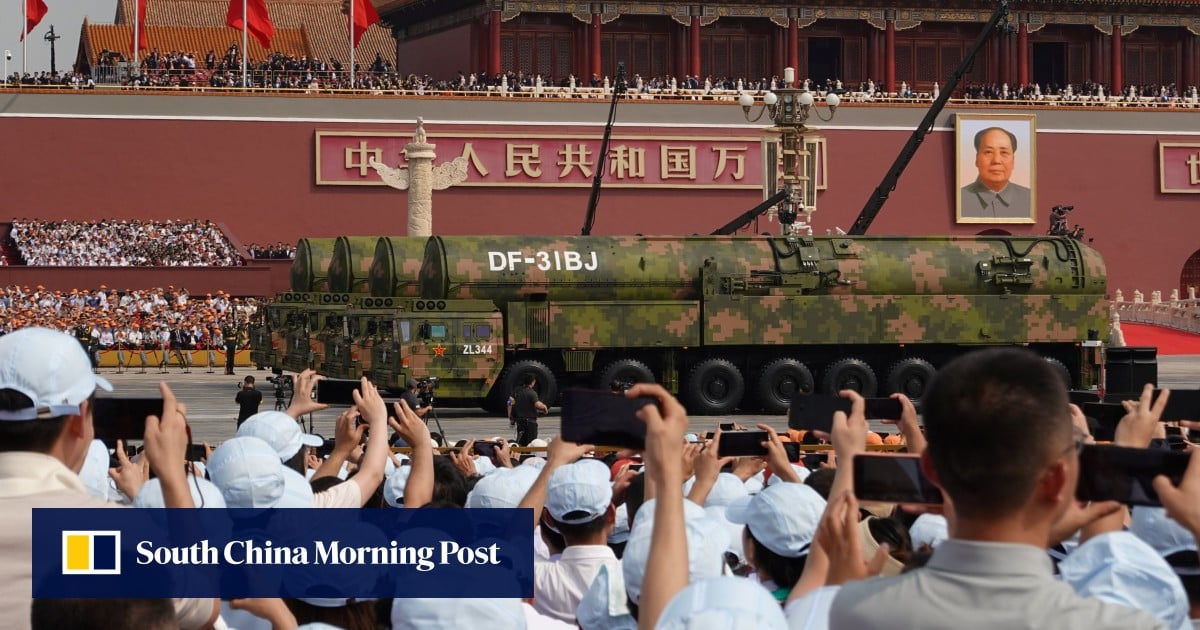
China’s recent military parade, commemorating 80 years as the end of World War II, showcased a formidable display of its evolving weaponry. among the most notable unveilings were advancements in the Dongfeng series of strategic missiles – the DF-61, DF-31BJ, and DF-5C intercontinental ballistic missiles.But beyond the technological prowess, a captivating historical thread connects these powerful weapons to a pivotal moment in China’s past and the words of its founding father, mao Zedong.
The name “Dongfeng,” meaning “east wind,” wasn’t chosen arbitrarily. It dates back to 1958 and represents a purposeful nod to a famous speech delivered by Mao in Moscow in 1957. Understanding this connection reveals a deeper layer of china’s strategic thinking and national identity.
A Speech That Echoes Through Decades
During a visit to the Soviet Union,Mao Zedong articulated a powerful metaphor for the global ideological struggle. he stated, “Either the east wind prevails over the west wind, or the west wind prevails over the east wind.” This statement, referencing communist China and the capitalist West, resonated deeply within the nation.
It became a symbol of China’s ambition to assert itself on the world stage and challenge the existing global order. You might wonder why this speech continues to influence naming conventions for critical military assets decades later.
here’s what you need to know:
* Symbolism of Strength: The “east wind” represents renewal, growth, and the rise of a new power.
* Ideological Foundation: The speech encapsulates the core tenets of Mao’s revolutionary ideology.
* National Pride: it serves as a constant reminder of China’s historical trajectory and its aspirations for the future.
Beyond Dongfeng: A Pattern of Inspiration
The influence of Mao Zedong’s words extends beyond the Dongfeng missile series. Other Chinese missile programs have also drawn inspiration from his pronouncements. This practice demonstrates a conscious effort to imbue these weapons with a sense of historical significance and national purpose.
Consider this: naming these missiles after Mao’s words isn’t simply about nostalgia. It’s a strategic communication tool. It reinforces a narrative of national resilience, ideological conviction, and a determination to shape the future.
For you,as someone following China’s military growth,recognizing this historical context is crucial. It provides a valuable insight into the underlying motivations and strategic thinking driving the nation’s defense programs.
Ultimately, the story of the Dongfeng missile and its namesake highlights how history, ideology, and national identity are interwoven into the fabric of China’s modern military capabilities. It’s a reminder that understanding the past is essential to interpreting the present and anticipating the future.





