
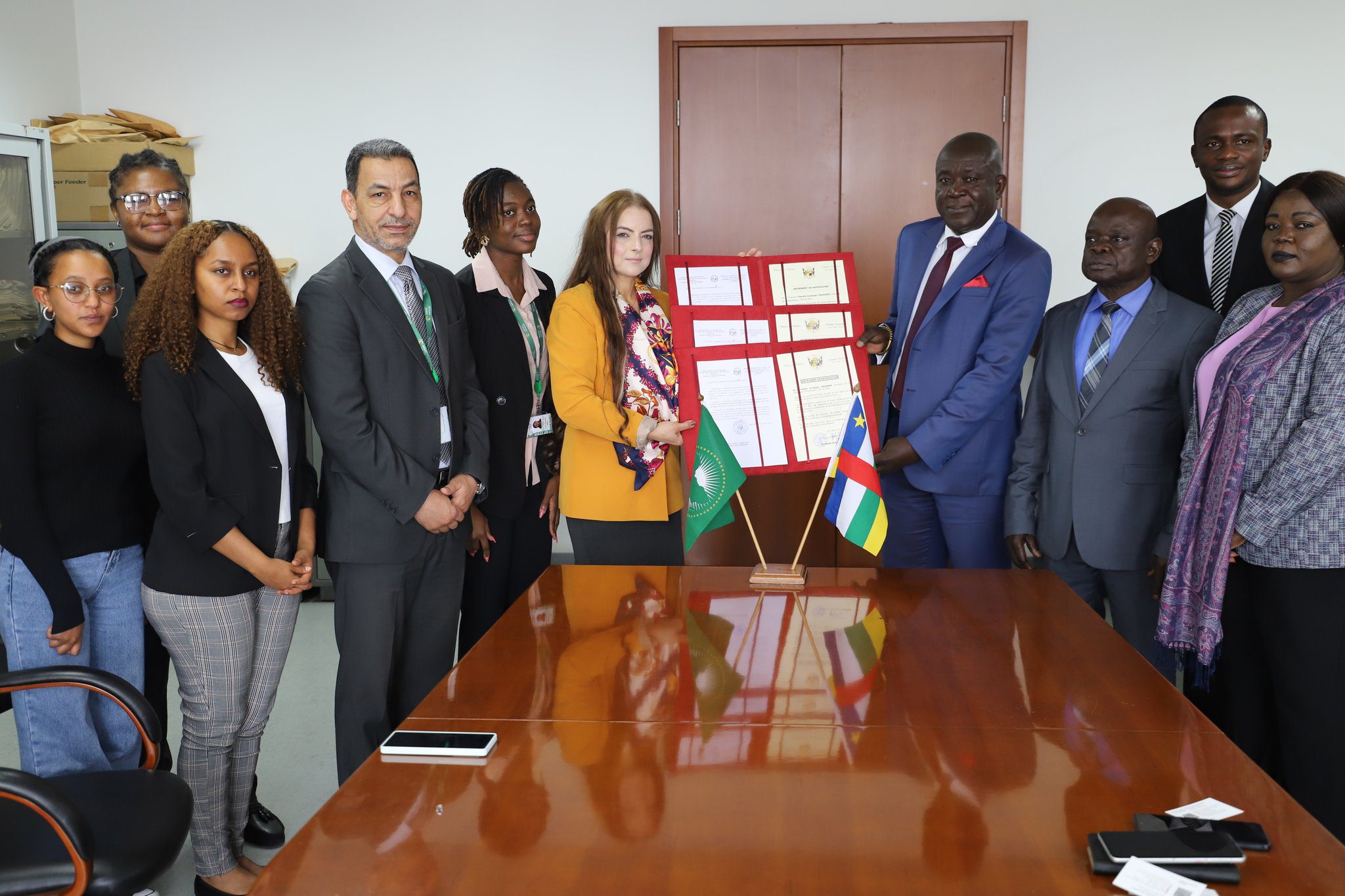
Central African Republic Ratifies Maputo Protocol: A Landmark Step for Women’s Rights – But What’s Next?
The Central African Republic‘s recent ratification of the Maputo Protocol on the Rights of Women in africa on August 26th marks a pivotal moment for gender equality in the nation. This long-awaited decision, welcomed by Amnesty international and human rights advocates globally, signals a commitment – on paper, at least - to protecting the fundamental rights of women and girls. But what does this ratification actually mean, and what crucial steps remain to translate this pledge into tangible change?
This article dives deep into the significance of the Maputo Protocol, the challenges facing women in the Central African Republic, and the urgent actions needed to ensure this ratification isn’t just symbolic.
Understanding the Maputo Protocol: A Foundation for Women’s Rights
The Maputo Protocol, formally known as the Protocol to the African Charter on Human and Peoples’ Rights on the Rights of Women in Africa, is a groundbreaking international human rights treaty adopted by the African Union in 2003 and entering into force in 2005. It’s more than just a document; it’s a extensive framework designed to address the specific challenges women face across the african continent.
Key provisions of the Protocol include:
Equality and Non-Discrimination: Guaranteeing equal rights and opportunities for women in all spheres of life.
Protection from Violence: Explicitly condemning all forms of gender-based violence (GBV), including domestic violence, sexual assault, and harmful traditional practices. Reproductive Health Rights: Recognizing women’s rights to control their fertility and access safe reproductive healthcare.
Economic and Political Participation: Promoting women’s equal participation in economic development and political decision-making.
Elimination of Harmful Practices: Specifically addressing and seeking to eradicate practices like female genital mutilation (FGM) and child marriage.
As of August 28, 2025, 46 out of the 55 African Union member states have ratified the Maputo Protocol.Egypt and Morocco have yet to sign or ratify, while Burundi, Chad, Eritrea, Madagascar, Niger, Somalia, and Sudan have signed but not yet completed the ratification process.
The Situation in the Central African Republic: A Stark Reality
while the ratification of the Maputo Protocol is a positive development, the reality for women and girls in the Central African Republic remains deeply concerning. The country faces significant challenges, compounded by years of conflict and instability.
consider these sobering statistics:
Child Marriage: A staggering 61% of girls are married before the age of 18, robbing them of their childhood, education, and future opportunities (UNFPA, 2024).
Female Genital Mutilation (FGM): 22% of women and girls aged 15-49 have undergone some form of FGM, a deeply harmful practice with devastating physical and psychological consequences (UNFPA, 2024).
Gender-Based Violence: GBV is widespread,often underreported,and frequently linked to the ongoing conflict. This includes sexual violence, domestic abuse, and exploitation.
Limited Access to Justice: Survivors of violence often face significant barriers to accessing justice, including a lack of resources, fear of stigma, and a weak legal system.
these figures underscore the urgent need for comprehensive action to protect and empower women and girls in the Central African Republic.
Beyond Ratification: what Needs to Happen Now?
Ratifying the Maputo Protocol is just the first step. The Central African Republic must now demonstrate a genuine commitment to implementing its provisions.This requires a multi-faceted approach:
Comprehensive Legislation: Enacting a robust national law specifically addressing GBV and promoting gender equality is paramount. This law should criminalize all forms of violence against women and girls, provide for effective remedies, and ensure accountability for perpetrators.
Strengthening the Justice System: Investing in training for law enforcement, judges, and prosecutors on gender-sensitive approaches to justice is crucial. This includes ensuring that survivors have access to legal representation and support services.
Improved Support Services: Expanding access to comprehensive support services for survivors of GBV, including medical care, psychological counseling, and safe shelters, is essential.
* Community Awareness Campaigns: Raising awareness about the rights of women and girls, challenging harmful social norms, and promoting


