
The global economy is facing renewed volatility as new data reveals a significant uptick in inflation, coinciding with escalating geopolitical tensions in the Middle East. In March, inflation rose by 0.9% month-over-month and 3.3% year-over-year, reflecting a tightening economic environment for consumers and markets alike.
These figures emerge amid a backdrop of conflict with Iran, which has placed substantial pressure on the U.S. Economy. The intersection of military escalation and economic instability is manifesting in tangible ways, specifically through the volatility of stocks, oil, and gas prices, as well as the introduction of surcharges hitting consumers as reported by NBC News.
For global markets, the synergy between war-driven supply shocks and rising price indices creates a complex challenge for policymakers. The impact is not limited to macroeconomic statistics but is being felt at the checkout counter and the gas pump, as the economic fallout from the war with Iran continues to ripple through international trade and energy sectors via TODAY.com.
Energy Markets and the Impact of Conflict
A primary driver of the current economic pressure is the instability of energy resources. The war with Iran has directly impacted oil and gas prices, which historically serve as a catalyst for broader inflation. When energy costs rise, the cost of transporting goods and manufacturing products typically follows, contributing to the 0.9% monthly increase seen in March.

Beyond the immediate price of fuel, the strategic landscape of the conflict is raising concerns about critical infrastructure. For instance, discussions regarding the targeting of Iranian desalination plants have surfaced, though military experts have cautioned against such moves. A retired four-star general stated that striking these plants would be a “mistake” according to NBC News.
The Consumer Burden: Surcharges and Costs
While macroeconomic indices like the 3.3% year-over-year inflation rate provide a broad view, the daily reality for consumers is often characterized by “surcharges.” These additional fees are appearing as a direct result of the economic fallout from the conflict, effectively acting as a hidden tax on goods and services as companies attempt to pass the increased costs of war-time logistics and energy onto the end user.
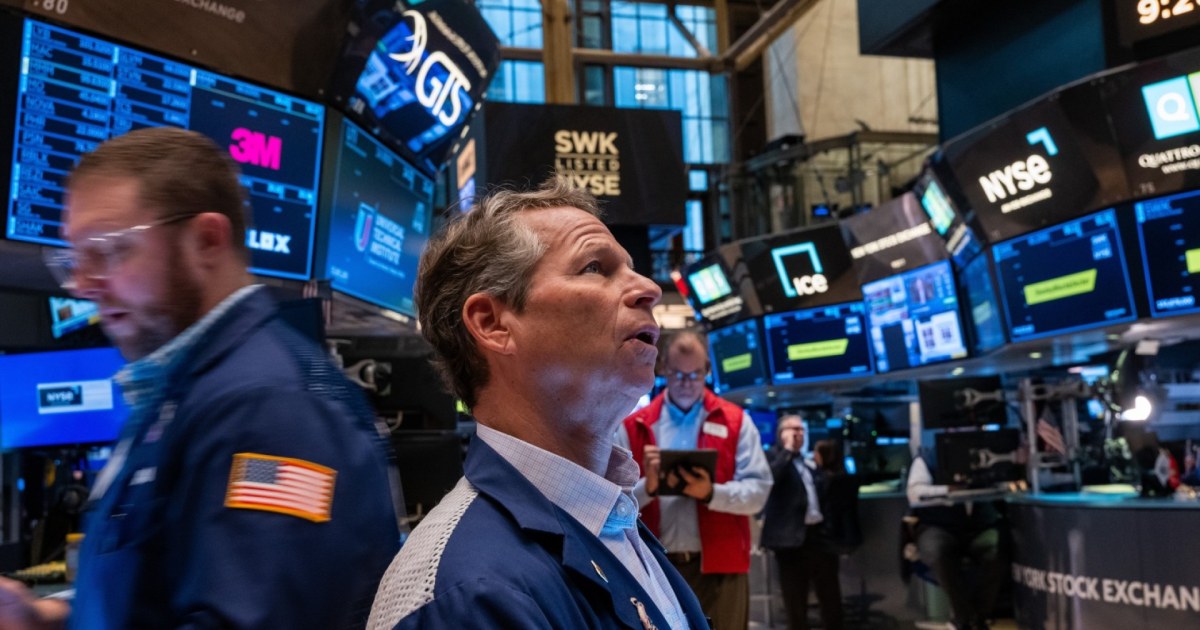
The pressure on the U.S. Economy is particularly evident in the stock market, where uncertainty regarding the duration and intensity of the war with Iran has led to increased volatility. Investors are reacting to the dual threat of rising inflation and geopolitical instability, which complicates the environment for both domestic and international equities.
Understanding the March Inflation Data
To put the March numbers into perspective, the 0.9% month-over-month increase represents a sharp short-term jump, while the 3.3% annual figure indicates a sustained upward trend in prices over the last twelve months. This combination suggests that the economy is struggling to shake off inflationary pressures, exacerbated by the external shock of the war.
Key areas affected by these trends include:
- Energy Costs: Direct fluctuations in oil and gas due to Middle Eastern instability.
- Logistics: Increased shipping and transport costs leading to consumer surcharges.
- Equity Markets: Stock market volatility driven by geopolitical risk.
- Consumer Pricing: A general rise in the cost of living reflected in the 3.3% yearly increase.
The situation remains fluid as the international community monitors the conflict’s progression. The potential for further escalation—or a diplomatic resolution—will likely be the deciding factor in whether these inflation numbers stabilize or continue to climb in the coming months.
We will continue to monitor official economic releases and geopolitical developments as they unfold. Please share your thoughts on how these price increases are affecting your region in the comments below.