The Troubling Nobel Peace Prize Choice & Escalating U.S. Involvement in Venezuela
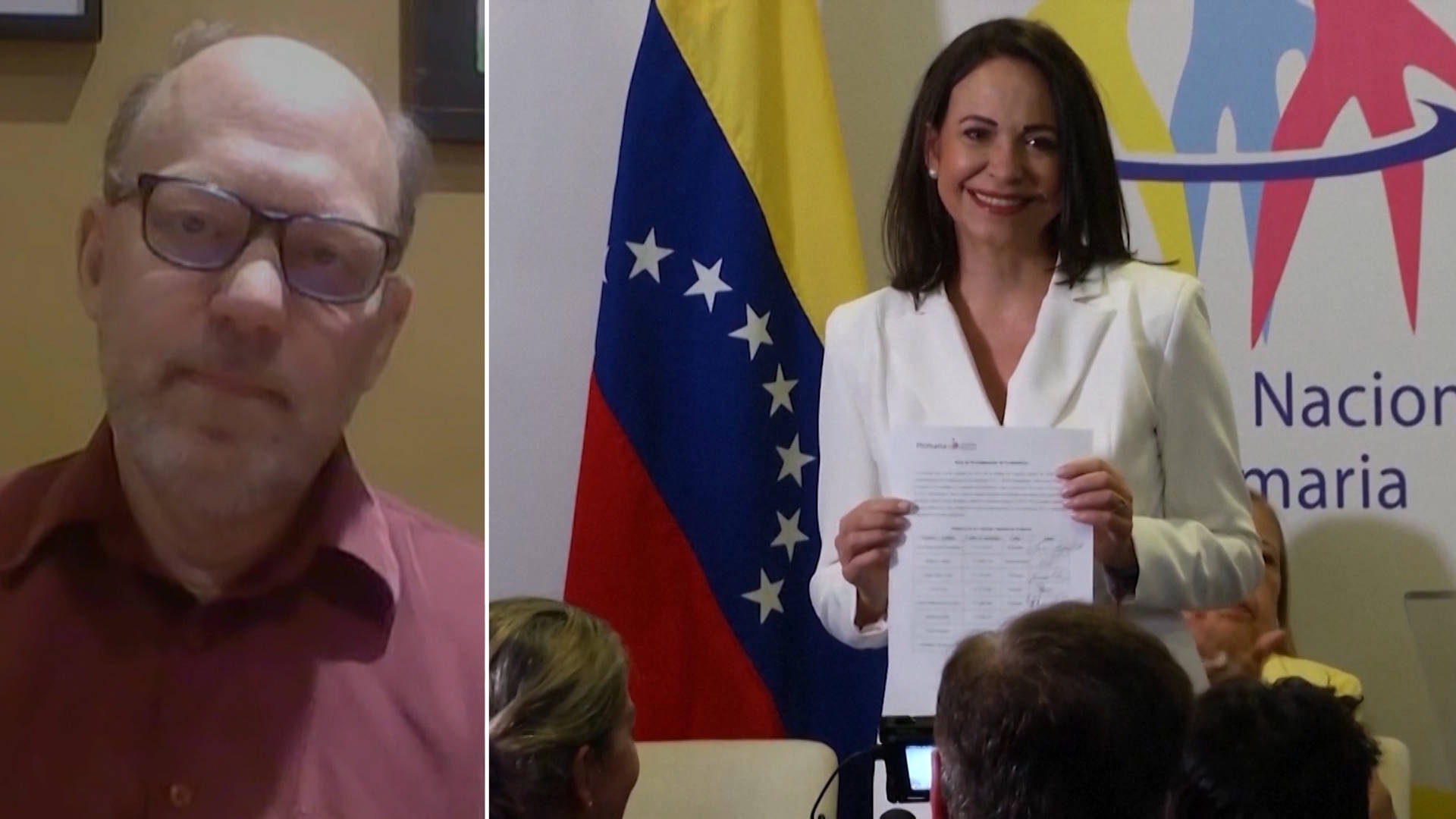
The recent awarding of the Nobel Peace Prize to María Corina Machado, a Venezuelan opposition leader, has sparked significant controversy. Many,including historian Greg Grandin,view the decision as deeply problematic,aligning with the most aggressive aspects of U.S. foreign policy and potentially paving the way for further military escalation in Venezuela.This comes at a particularly volatile moment, with the U.S. already engaging in direct military action – bombing Venezuelan boats - and diplomatic efforts being deliberately dismantled.
Let’s break down the situation and what this prize signifies.
A Prize Rooted in Controversy
The selection of Machado is jarring for several reasons. As Grandin points out, she hasn’t distanced herself from, and actually supports, the U.S. bombing of Venezuelan vessels in the Caribbean. This framing – characterizing these vessels and their occupants as simply ”narcotraficantes” – is a dangerous simplification. It justifies violence and ignores the complex political landscape.
Consider these key points:
* Escalation of Force: The U.S. has been actively bombing Venezuelan boats,with reports indicating a Colombian national was killed in one such strike.
* Diplomacy Abandoned: President Trump abruptly halted diplomatic negotiations with Venezuelan president Nicolás Maduro, spearheaded by special envoy Richard Grenell. This move actively removes a pathway to peaceful resolution.
* Machado’s Alignment: Machado’s endorsement of the bombing framework and her characterization of the Venezuelan government as a cartel legitimizes further military intervention.
Why This Choice is So Concerning
the Nobel Committee’s decision isn’t simply about supporting the Venezuelan opposition. It’s about which segment of the opposition is being elevated. There are numerous feminist and socialist activists within Venezuela who oppose Maduro without aligning themselves with a hardline, U.S.-backed approach.
For example:
* Isabel Mejias: Head of Araña Feminista, a feminist organization, opposes Maduro but doesn’t advocate for the current escalation.
* Ana Rosa Torres: A socialist activist who critiques both the Maduro government and U.S. policy.
Choosing Machado over these voices sends a clear message. It prioritizes a confrontational strategy over genuine dialog and potentially undermines the efforts of those working for peaceful change within Venezuela.
The Impact on Venezuela & Regional Stability
This Nobel Prize isn’t likely to bring peace. In fact, it’s poised to have the opposite effect. Here’s how:
* strengthening Maduro’s Narrative: The award confirms Maduro’s long-held claim that the opposition is a puppet of the U.S.government.
* Hardening positions: It will likely embolden hardliners on both sides, making compromise even more difficult.
* Justifying Further Intervention: The prize provides a justification for increased military pressure and intervention, potentially destabilizing the region.
you might also recall President Trump’s public frustration at not receiving a Nobel peace Prize himself. This personal element adds another layer of concern, suggesting that escalating tensions in Venezuela could be driven, in part, by a desire for recognition.
What Does This Mean for You?
As observers of global politics, it’s crucial to understand the implications of this decision. It’s not simply a matter of Venezuelan internal affairs.It’s about the direction of U.S.foreign policy and the potential for further conflict.
Here’s what you should consider:
* Critical Thinking: Question the narratives presented by both sides. Seek out diverse perspectives and independent analysis.
* Awareness of U.S. Role: Recognize the significant influence the U.S. has in shaping events in Venezuela.
* Support for Diplomacy: advocate for peaceful resolutions and diplomatic engagement over military intervention.
The Nobel Peace Prize should celebrate those who genuinely work towards peace. In this case, the choice of Machado raises serious doubts about the committee’s judgment and the potential consequences for Venezuela and the wider region. It’s a decision that, rather than fostering peace, appears to lay the groundwork for further conflict.
Further Reading:
*[https://wwwnytimescom/2025/10/06/us/politics/trump-venezuela[https://wwwnytimescom/2025/10/06/us/politics/trump-venezuela[https://wwwnytimescom/2025/10/06/us/politics/trump-venezuela[https://wwwnytimescom/2025/10/06/us/politics/trump-venezuela