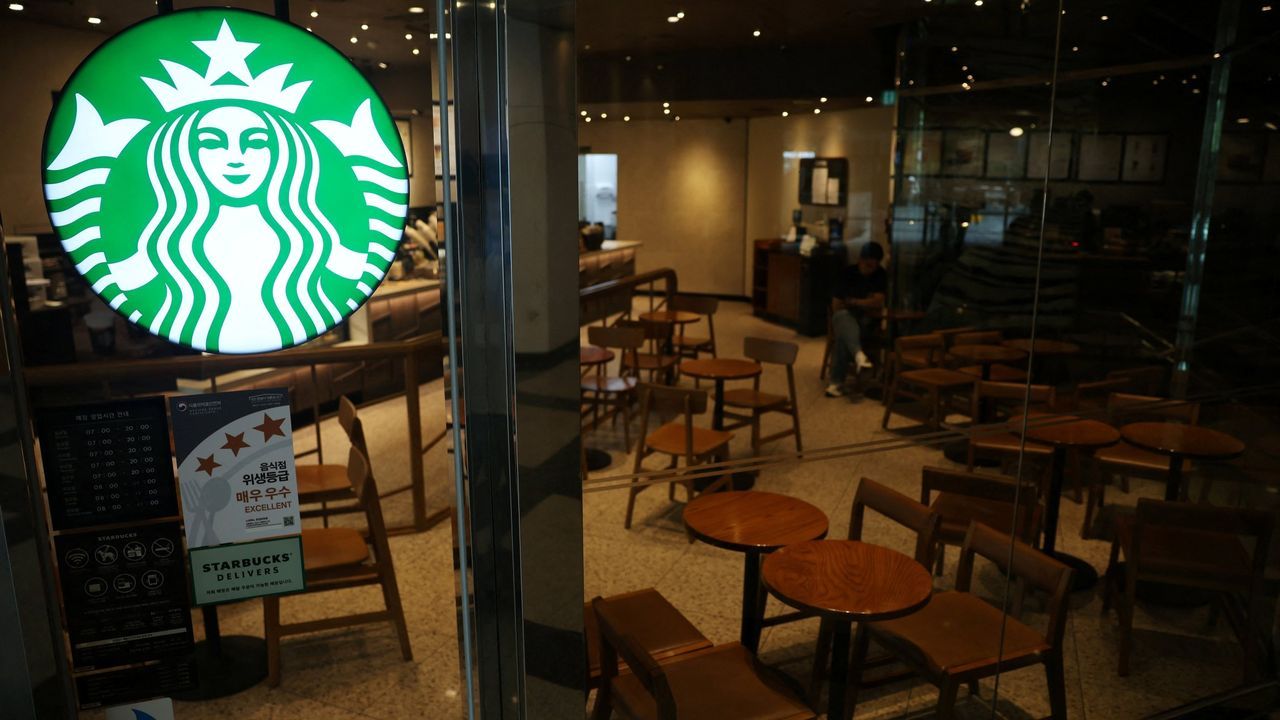
Starbucks in South Korea is facing significant public backlash following a promotional marketing campaign that critics argue trivializes a painful period in the nation’s modern history. The controversy centers on the brand’s recent “Summer Story” event, which utilized imagery and themes that many South Korean consumers associated with the 1980 Gwangju Uprising—a democratic movement that resulted in widespread casualties and remains a sensitive touchstone for the South Korean public.
The incident has triggered widespread calls for a boycott across social media platforms, placing the global coffee chain in a difficult position as it attempts to manage its reputation in one of its most profitable international markets. According to reports from the Korea Times, the company faced intense scrutiny after users identified thematic overlaps between their promotional materials and historical symbols of the pro-democracy movement, leading to accusations of corporate insensitivity.
The Origins of the Backlash
The friction began when Starbucks Korea released a series of promotional items and digital content intended to evoke a sense of “nostalgia” and “summer memories.” However, many observers noted that the specific aesthetic choices—including color palettes and stylized depictions of city streets—bore a striking resemblance to archival footage and artistic representations of the May 18 Gwangju Democratization Movement. In South Korea, the 1980 uprising is protected by cultural and legal sensitivities, as the government officially recognizes the event through the National Archives of Korea as a foundation of the country’s current democratic system.

For many South Koreans, the use of these motifs for commercial gain is viewed as a form of historical revisionism or trivialization. Social media users on platforms like X (formerly Twitter) and Instagram began sharing side-by-side comparisons of the Starbucks marketing materials and historical photographs from 1980. The intensity of the reaction highlights the high stakes for multinational corporations operating in markets with deep-seated historical trauma; what a global brand might view as a “vintage” or “retro” aesthetic can be interpreted by a local populace as an affront to their national identity.
Corporate Response and Market Impact
Starbucks Korea, which operates as a joint venture, has faced mounting pressure to issue a formal apology and retract the campaign. While the company has not released a comprehensive statement detailing the financial impact of the boycott, industry analysts suggest that such incidents can lead to short-term declines in foot traffic and a negative shift in brand sentiment. The company’s ability to navigate this crisis relies heavily on its local management team’s understanding of the cultural context, a challenge that is increasingly common for global entities in the Asia-Pacific region.
The incident serves as a case study in the risks of globalized marketing strategies. When a brand standardizes its aesthetic across international borders, it often fails to account for local nuances that can transform a benign marketing choice into a PR crisis. According to data from the Statista research portal, South Korea remains one of the most active coffee markets globally, making the maintenance of local brand trust essential for long-term growth.
Lessons for Global Brands
The situation in South Korea underscores the necessity for rigorous cultural vetting processes within multinational corporations. Experts in international business communication often point to the “localization vs. globalization” dilemma, where the desire for a unified brand image conflicts with the need to respect the specific cultural taboos of a target market. For Starbucks, the path forward involves not just the removal of the contentious materials, but a public commitment to understanding the historical context that led to the offense.
As of this writing, there have been no official reports of legal proceedings or government interventions related to the campaign. The situation remains fluid, with consumer groups closely monitoring whether the company will provide a more detailed explanation or a formal apology to the Gwangju community. The next phase of this development will likely depend on whether the company’s internal review, which is standard procedure for such corporate controversies, results in a public shift in its marketing strategy.
Consumers seeking the latest updates on the company’s official communications can monitor the Starbucks Korea official website for any upcoming press releases or policy changes. The public discourse surrounding this event continues to unfold, with many observers noting that the speed of the backlash reflects the power of digital connectivity in modern South Korean society. We encourage readers to share their thoughts on the balance between global marketing and local cultural sensitivity in the comments section below.
Keep reading
- Trump Dismisses USS Abraham Lincoln Deployment Concerns as USS George Washington Set to Replace Carrier
- China’s Jan-July Social Financing Exceeds 22 Trillion Yuan as Direct Financing Rises
- Japan’s Rising Anti-Immigration Sentiment vs. Its Forgotten History with Islam (archynewsy.com)
- Exploring Black History and Culture With A Great Day in South LA (newsdirectory3.com)