
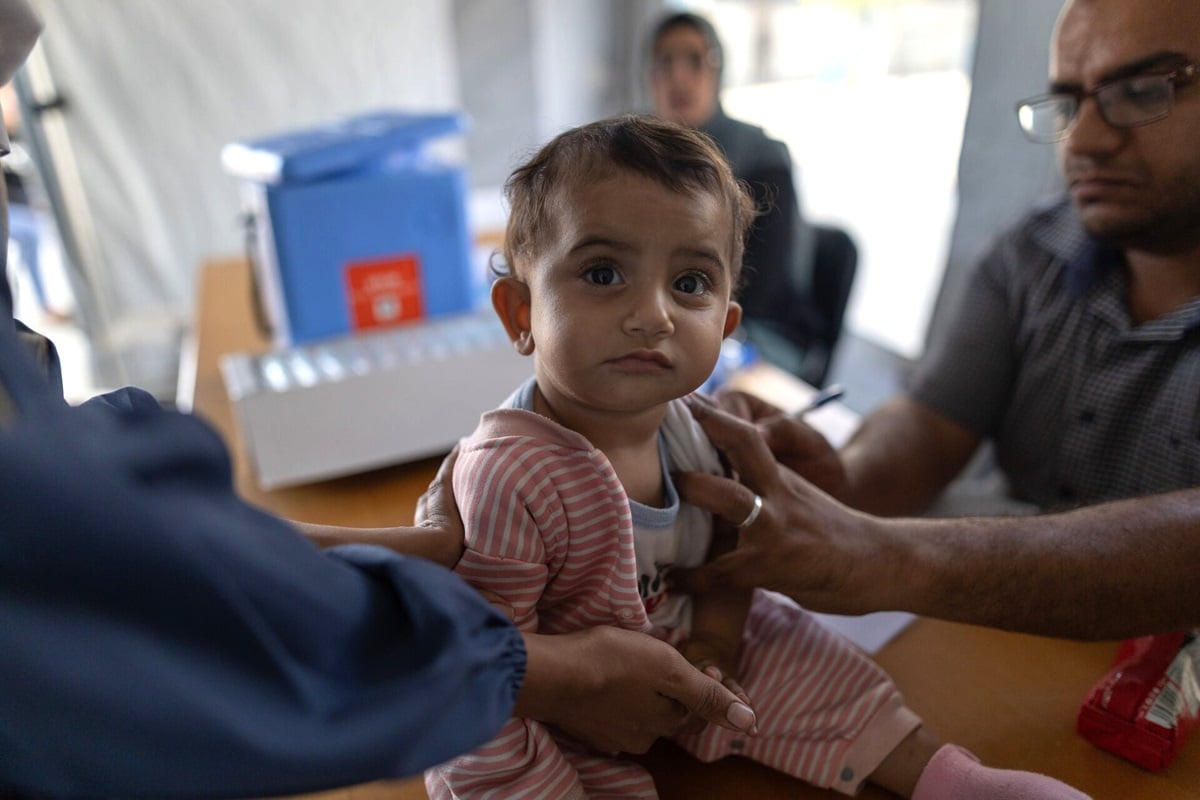
Americas Region Loses measles Elimination Status: A Call to Action
The Americas have, unfortunately, lost their measles elimination status as of November 2025. This setback is primarily due to ongoing measles transmission within Canada,highlighting a concerning trend of resurgence even in nations previously considered measles-free. As public health experts, we’ve observed this pattern and understand the critical need for renewed focus and action.
Why is this happening?
Measles, a highly contagious viral disease, had been largely controlled through widespread vaccination. However, declining immunization rates – falling below the crucial 95% threshold – are fueling a comeback. Even with high national averages, localized pockets of unvaccinated individuals create vulnerabilities that allow the virus to spread.
Here’s a breakdown of the key factors:
* Decreased vaccination Rates: A primary driver of the resurgence.
* Uneven Coverage: Pockets of low immunization leave communities susceptible.
* COVID-19 disruptions: The pandemic significantly impacted routine immunization programs globally.
* Complacency: A false sense of security in areas previously eliminating the disease.
The Urgency of Measles Elimination
Measles isn’t just a childhood illness; it can lead to serious complications, including pneumonia, encephalitis (brain swelling), and even death. Protecting your community requires a collective effort. Elimination, defined as the absence of continuous endemic measles transmission for over 12 months, is achievable, but demands sustained commitment.
What does achieving elimination require?
* Strong Political Will: Governments must prioritize measles control.
* Sustained Investment: funding is essential for vaccination programs and surveillance.
* Two-Dose Vaccination: Ensuring every child receives two doses of the measles vaccine is paramount.
* Robust Surveillance: Rapid detection of outbreaks is crucial for swift response.
The Immunization Agenda 2030 & Global Partnerships
The Pan American Health Association (PAHO) and the World Health Organization (WHO) are leading the charge, alongside a powerful network of global partners. The immunization Agenda 2030 (IA2030) mid-Term Review emphasizes strengthening routine immunization, enhancing surveillance, and improving outbreak response capabilities.
these efforts are guided by the Measles and Rubella Strategic Framework 2030 and spearheaded by the Measles & Rubella Partnership (M&RP). This collaborative initiative includes:
* American Red Cross
* the Gates Foundation
* Gavi, the Vaccine Alliance
* U.S. Centers for Disease Control and Prevention (CDC)
* United nations Foundation
* UNICEF
Together, these organizations are working to address declining vaccination coverage, recover from the setbacks caused by the COVID-19 pandemic, and ultimately create a world free from measles and rubella.
understanding Measles Outbreaks & Monitoring
WHO utilizes statistical modeling to track measles cases and deaths,refining estimates annually to understand disease trends. A large or disruptive outbreak is defined as 20 or more cases per million population within a 12-month period. This data-driven approach allows for targeted interventions and resource allocation.
What can you do?
* Check Your Vaccination Records: Ensure you and your family are up-to-date on measles vaccinations.
* Talk to Your Healthcare Provider: If you’re unsure about your vaccination status,consult your doctor.
* Spread Awareness: Educate your community about the importance of measles vaccination.
* Report Suspected Cases: Promptly report any suspected measles cases to your local health authorities.
The loss of elimination status is a wake-up call. By working together – governments, healthcare professionals, and individuals – we can regain ground and protect future generations from this preventable disease.
Resources:
* Measles & Rubella Partnership
* [Measles and Rubella Strategic Framework 2030](https://s3.amazonaws.com/wp-agility2/measles/wp-content/uploads/2020/11/measles_rubella_initiative_final_print.





