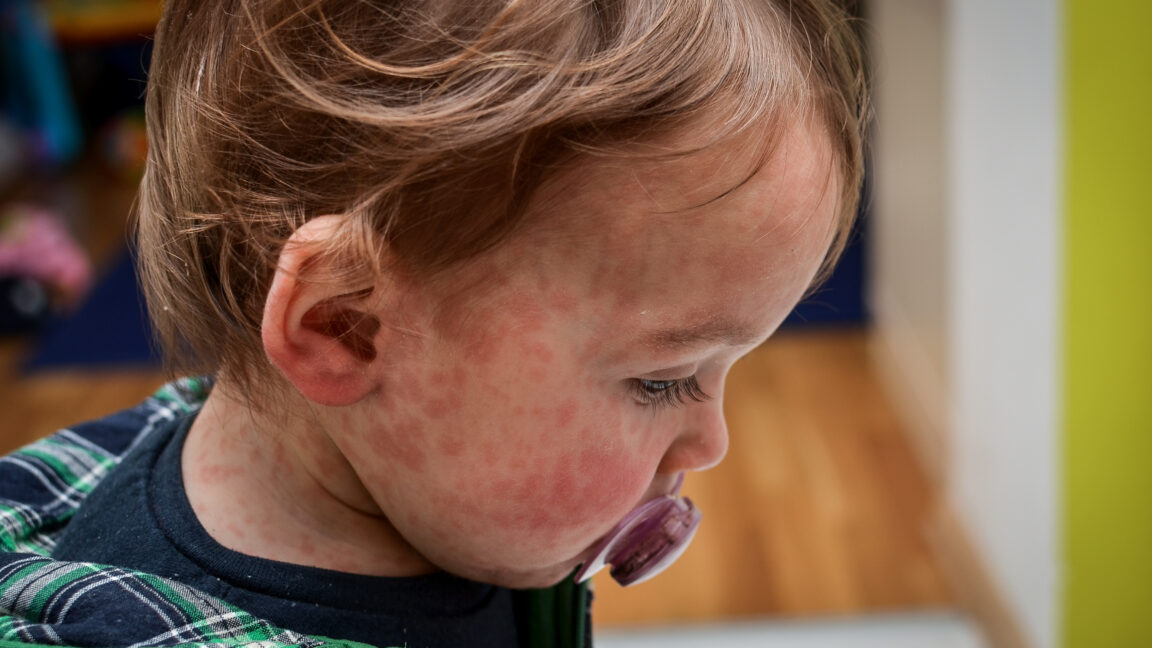
The Tragic Reality of Measles: Understanding SSPE and Protecting Your Child
Measles. for many,it’s a childhood illness of the past. But a recent tragedy in Los angeles – the death of a child from a measles-related brain disorder - serves as a stark reminder of the enduring dangers of this highly contagious disease. This wasn’t a death from measles itself, but from a devastating, albeit rare, complication called subacute sclerosing panencephalitis (SSPE).
This article will delve into the specifics of SSPE, explain why it’s resurfacing, and, most importantly, what you can do to protect your family.
What is SSPE? A Silent Threat Years After Infection
Subacute sclerosing panencephalitis (SSPE) is a rare and fatal brain disorder that develops years after a measles infection. It’s caused by a persistent measles virus that remains in the central nervous system, slowly causing progressive inflammation and damage.
Here’s what you need to know:
* Delayed Onset: SSPE typically emerges 7 to 10 years after the initial measles infection. this makes it particularly insidious, as the original illness may seem like a distant memory.
* How it happens: While most peopel fully recover from measles, in a small number of cases, the virus doesn’t disappear. It lingers, slowly attacking brain cells.
* The impact: SSPE progressively impairs neurological function, leading to personality changes, cognitive decline, seizures, and ultimately, death.
* Rarity, But Rising Concern: Historically, SSPE was extremely rare in the US due to high vaccination rates. However, declining immunization rates are raising concerns about a potential resurgence.
Who is at Risk? Why Infants are Especially Vulnerable
While anyone who contracts measles is theoretically at risk, certain populations are more vulnerable to developing SSPE. The Los Angeles County health department confirmed the child who tragically passed away contracted measles before being old enough to receive the MMR vaccine.
Here’s a breakdown of risk factors:
* Infants: Young babies, too young to be vaccinated, are particularly susceptible. They rely on “community immunity” – the protection offered when a large percentage of the population is vaccinated – for safety.
* age of Initial Infection: Contracting measles at a very young age (under one year) appears to significantly increase the risk of SSPE, perhaps affecting around 1 in 600 individuals.
* Overall Measles Incidence: As measles cases increase, so dose the potential for SSPE cases to emerge.
Measles Elimination and the Threat of Resurgence
Measles was declared eliminated in the United states in 2000 thanks to widespread vaccination efforts. This meant that sustained transmission of the virus was no longer occurring. However, recent years have seen a worrying trend: a decline in vaccination rates coupled with the spread of misinformation.
The consequences are already being felt.
* 2024 Case Numbers: The US measles case count for the year has reached a 33-year high.
* Fatalities: Tragically, this year has already seen the deaths of two other children and one adult from the acute measles infection itself.
* The Role of Misinformation: Anti-vaccine narratives and misinformation are fueling vaccine hesitancy, leaving communities vulnerable.
Protecting Your Family: Vaccination is Key
The most effective way to protect your child – and your community – from measles and the devastating consequences of SSPE is vaccination.
Here’s what you need to know about the MMR vaccine:
* Schedule: The CDC recommends two doses of the MMR vaccine:
* First dose: 12-15 months
* Second dose: 4-6 years
* Safety and Efficacy: The MMR vaccine is incredibly safe and highly effective. It provides robust protection against measles, mumps, and rubella.
* Community immunity: Vaccinating your child not only protects them but also contributes to community immunity, safeguarding those who are too young or unable to be vaccinated.
* Talk to Your Doctor: If you have any concerns about the MMR vaccine, discuss them with your pediatrician.
Evergreen Insights: The Long-Term impact of Infectious Diseases
The story of measles and SSPE highlights a crucial point: infectious diseases don’