“`html
EU-Mercosur Trade Deal: A Historic Agreement After 25 Years of Negotiation
Published: 2026/01/16 20:29:50
After 25 years of negotiations,the European Union and the Mercosur trade bloc – comprising Argentina,Brazil,Paraguay,and Uruguay – have reached a landmark trade agreement. Hailed by leaders as a boost for global trade and multilateralism, the deal is set to create one of the world’s largest free trade areas, yet it faces significant headwinds from domestic opposition, particularly within the agricultural sector.
A Quarter-Century in the Making
The EU-Mercosur agreement was initially broached in 1999 [[1]], but stalled repeatedly due to disagreements over agricultural access, environmental concerns, and varying political priorities. The agreement,finalized in Brussels last week,eliminates tariffs on over 90% of goods traded between the two blocs [[2]]. This includes significant opportunities for European manufacturers to access South American markets and for Mercosur agricultural producers to increase exports to Europe.
Economic Implications and Global Reach
Together, the EU and Mercosur represent over 700 million consumers and approximately 30% of global GDP [[1]]. The resulting free trade area is poised to become the world’s largest, surpassing existing agreements in terms of population and economic output.While predicted not to have a major economic impact overall [[2]], the deal is expected to stimulate growth in specific sectors and foster closer economic ties between Europe and South America.
Political Support and Signing Ceremony
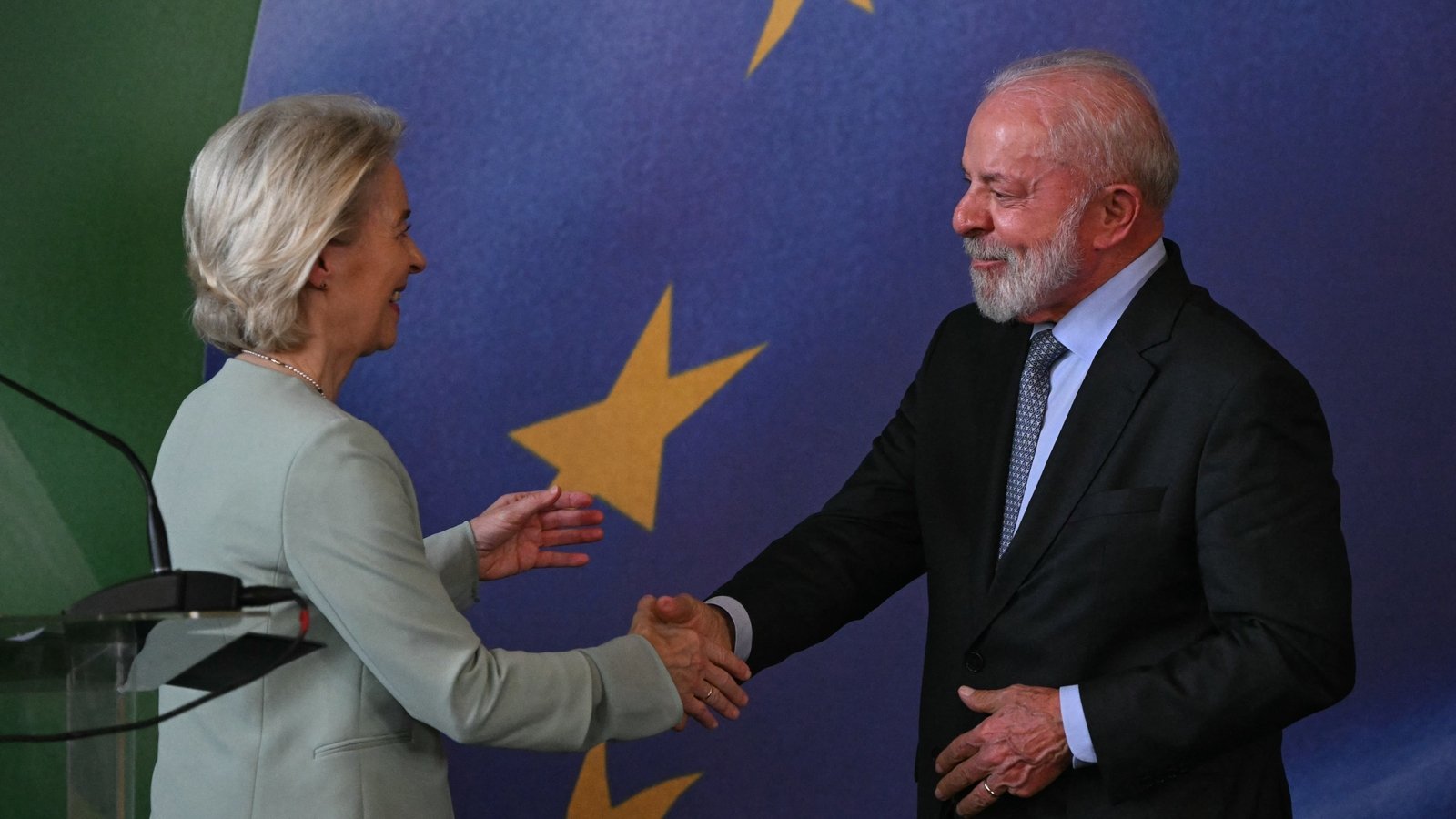
Brazilian President Luiz Inácio Lula da Silva and EU Commission president Ursula von der Leyen have both publicly endorsed the agreement, emphasizing its importance for multilateralism and global prosperity. Lula described the deal as “very good,especially for the democratic world and for multilateralism”