Europe Races to Secure Digital Sovereignty: A summit for the AI Age
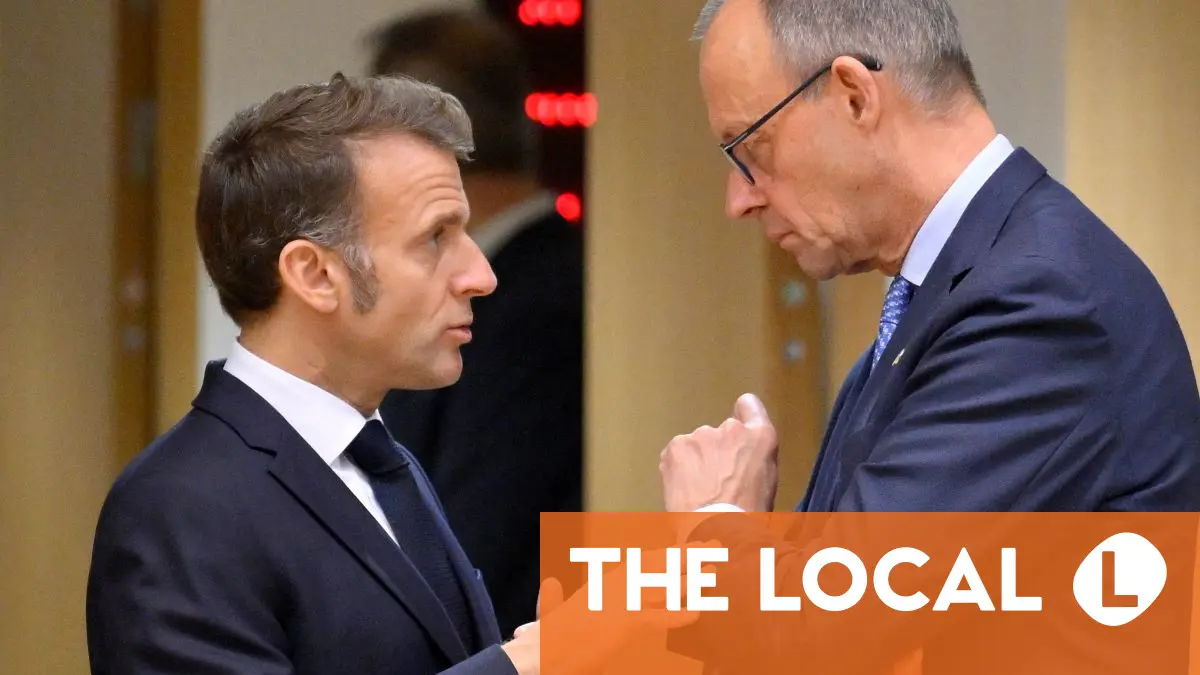
Europe is at a critical juncture. Facing increasing pressure to compete with the US and China in the burgeoning field of Artificial Intelligence (AI), and grappling with concerns over data security and technological dependence, European leaders are convening in Berlin to chart a new course.This summit, bringing together key figures like German Chancellor Olaf Scholz and French President Emmanuel Macron, alongside digital ministers and industry leaders, signals a steadfast effort to bolster the continent’s digital sovereignty.
The urgency was underscored by Chancellor Scholz, who emphasized the need for Europe to accelerate its digital transformation while attending the ground-breaking ceremony for an 11-billion-euro data center outside Berlin. The stakes are high - Europe risks falling behind in a technological revolution that will define the future of economies and national security.
The Challenge: Catching Up in a Global Race
For years, the EU has faced criticism for a perceived sluggishness in embracing and developing AI. This isn’t simply about technological prowess; it’s about strategic autonomy. Europe’s reliance on US and Chinese tech giants raises fundamental questions about data control, innovation, and long-term economic resilience.
Here’s a breakdown of the key challenges:
* AI Computing Capacity: Europe currently lags significantly behind the US and China in AI computing power. A recent Bitkom study revealed just 16 gigawatts of capacity in Europe, compared to 48 in the US and 38 in China.
* Economic Weakness: Prolonged economic challenges within the region hinder substantial investment in the digital sector.
* Regulatory Hurdles: Both European businesses and American tech companies have voiced concerns about existing EU regulations, with some arguing they stifle innovation. The EU is now facing accusations of prioritizing competitiveness over citizen privacy.
* Supply chain Dependence: Europe remains heavily reliant on Asian suppliers for critical hardware, including semiconductors and laptop components. approximately 90% of German companies importing digital goods or services report feeling this dependence, according to Bitkom.
A Shift in Strategy: Rolling Back Regulations & Boosting Investment
The summit agenda reflects a growing recognition of these challenges and a willingness to adapt. A key discussion point will be a proposed rollback of certain EU rules governing AI and data protection. This move, while potentially controversial, aims to create a more favorable surroundings for innovation and attract investment.
Beyond regulatory adjustments, a massive influx of capital is deemed essential.Ralf Wintergerst, President of Bitkom, succinctly put it: “Europe must not fall behind – today’s investments secure tomorrow’s competitiveness and jobs. If Europe does not want to become a museum of technology, we must ramp up investment significantly.”
Recent investment announcements – including billions from Google and a partnership between Nvidia and Deutsche Telekom for an AI hub – highlight the continued reliance on American tech.However, officials stress this isn’t about confrontation.
As a senior official from the French presidency clarified, the summit’s focus is on:
* Protecting Core Sovereignty: Defining what Europe needs to control to ensure its strategic independence.
* Establishing European Rules: Developing a regulatory framework that fosters innovation while safeguarding citizen rights.
Building a “Sovereign” Digital Infrastructure
A central pillar of Europe’s strategy is the advancement of “sovereign” EU cloud computing capabilities. The goal is to reduce dependence on US firms like Google, AWS, and Microsoft, and ensure that European data is protected within european borders.
This initiative extends beyond cloud infrastructure to encompass:
* Fostering Competition: encouraging greater rivalry between industry players and governments.
* creating Fair Digital markets: Establishing a level playing field for businesses operating within the EU.
The summit will feature keynote addresses from Chancellor Merz and President Macron, followed by a dinner meeting between Macron, British Prime Minister keir Starmer, and Chancellor Scholz. While the specifics of that discussion remain undisclosed, it underscores the broader geopolitical implications of Europe’s digital ambitions.
Looking Ahead: A Long-Term Commitment
The Berlin summit isn’t a quick fix. It represents the beginning of a long-term, multifaceted effort to secure Europe’s digital future. While the challenges are significant, the commitment to innovation, strategic autonomy, and a robust regulatory framework signals a determined push to ensure Europe remains a global leader in the AI age. Several announcements related to new digital initiatives are expected to emerge from the summit, marking concrete steps towards realizing this vision.
Further Reading:
*[NvidiaanddeutscheTelekomrevealplans[NvidiaanddeutscheTelekomrevealplans[NvidiaanddeutscheTelekomrevealplans[NvidiaanddeutscheTelekomrevealplans


![Austrian Dinner Tradition: From Resistance to Love | [Your Blog Name]
or
Weird Austrian Dinner Habit: Why I Changed My Mind
or
Austrian Food Culture: My Unexpected Dinner Revelation](https://assets.thelocal.com/cdn-cgi/rs:fit:1200/quality:75/plain/https://apiwp.thelocal.com/wp-content/uploads/2023/03/watermarks-logo-pexels-fauxels-3184183.jpg@webp "Austrian Dinner Tradition: From Resistance to Love | [Your Blog Name]
or
Weird Austrian Dinner Habit: Why I Changed My Mind
or
Austrian Food Culture: My Unexpected Dinner Revelation")