
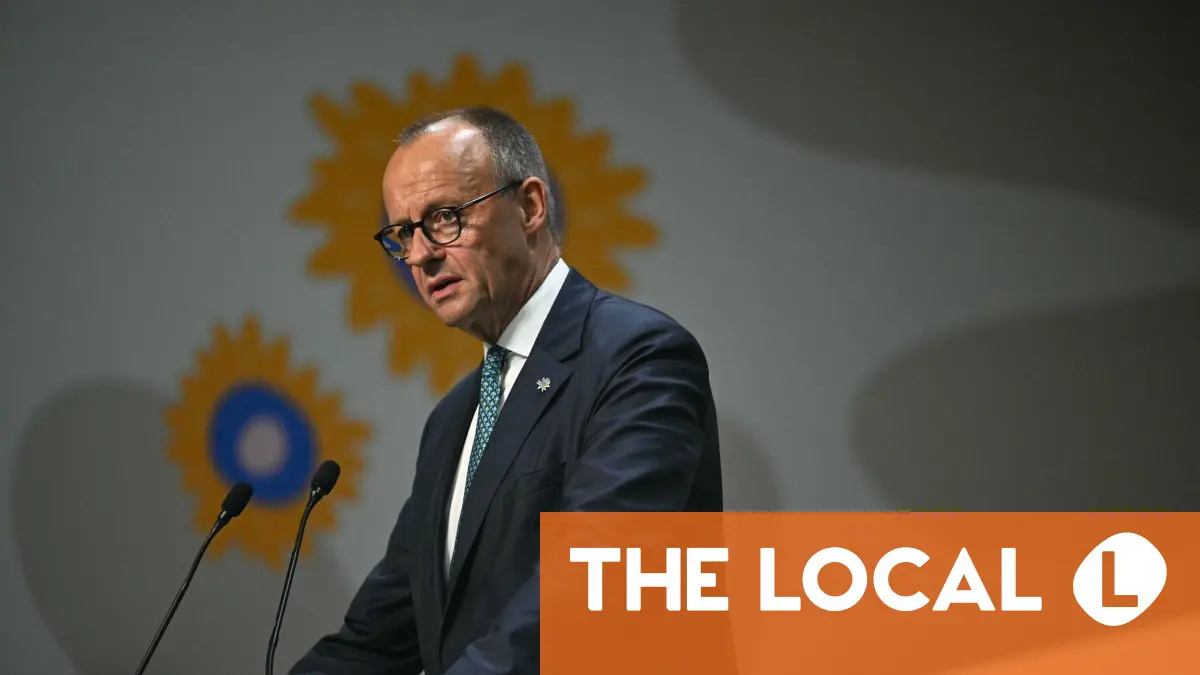
Germany’s Fragile Coalition Faces Collapse Amid Rising Political Tensions
Berlin is navigating a period of critically important political instability. the governing coalition,led by Chancellor Friedrich Merz,is grappling with internal divisions and a resurgent far-right,raising serious questions about its longevity. This article delves into the escalating tensions, the challenges facing the coalition, and the potential for early elections.
A Goverment Under Strain
The current German government, a partnership between the conservative CDU/CSU and the Social Democrats (SPD), has been plagued by discord since its inception. the initial shock of Merz’s failure to secure a first-round victory in the chancellorship vote back in May set a concerning precedent.
Here’s a breakdown of key points of contention:
* Judicial Appointments: Disagreements over the appointment of constitutional court judges in July highlighted ideological divides.Conservatives deemed the SPD’s candidate too left-leaning.
* Pension Reform Backlash: A revolt within conservative ranks over a recently passed pension reform proposal underscored concerns about intergenerational fairness.
* Military Service Stalemate: Efforts to modernize Germany’s military service system, intended to demonstrate leadership within NATO, have stalled over the contentious issue of limited conscription.
* Refugee Policy Divisions: Foreign Minister Johann Wadephul’s cautious stance on sending back Syrian refugees sparked criticism from within the conservative bloc.
“Both sides are finding it more difficult to reach compromises,” explains aiko Wagner, a political scientist at the Free University of Berlin. “they fear becoming even weaker among their own supporters if they do.” This dynamic creates a precarious situation where maintaining unity takes precedence over effective governance.
The AfD’s Ascent and Merz’s Response
The coalition’s internal struggles are creating an opening for the Choice for Germany (AfD), a far-right party experiencing a surge in popularity. Merz has explicitly identified the AfD as his party’s “main opponent” ahead of crucial regional elections in 2026.
To counter the AfD’s appeal, merz has adopted increasingly assertive rhetoric on immigration. His October comments regarding the impact of migrants on “the German urban cityscape” drew criticism from both Social Democrats and moderate conservatives.
Though, some analysts believe this strategy is misguided. “Merz made a fatal mistake by focusing so much on migration when the struggling economy is the main concern of many voters,” argues political commentator, Guellner.
The AfD views Merz’s difficulties as a significant opportunity. AfD MP Sebastian Muenzenmaier asserts that a majority of Germans already favor conservative or right-wing parties, but believe the current coalition is incapable of delivering on its promises. He predicts strong showings for the AfD in upcoming state elections and doesn’t foresee the government lasting a full four-year term.
Economic Disappointment Fuels Dissatisfaction
Beyond the political infighting, a key driver of public discontent is the government’s perceived failure to revitalize the German economy.
As Bernd Nebel,a visitor to Berlin from Munich,put it,”They made it their mission to boost the economic recovery…and absolutely nothing has happened.” This sentiment is widespread, contributing to a growing sense of frustration with the current leadership.
The Looming Threat of Early Elections
The combination of internal strife, a rising AfD, and economic stagnation has led to widespread speculation about a potential government collapse and early elections. Many observers believe the situation will become untenable after next year’s state elections.
This prospect is unsettling for many Germans. The instability could further hinder economic recovery and embolden extremist elements.
What does this mean for you? Expect continued political maneuvering, potentially disruptive policy shifts, and a heightened focus on immigration and economic issues in the coming months.The future of German governance hangs in the balance.
Further Reading:
* Merz calls far-right AfD ‘main opponent’ in next election
![Political Canvassing: Make a Difference & Feel Good | [Year] Guide](https://i0.wp.com/cdn2.psychologytoday.com/assets/styles/manual_crop_1_91_1_1528x800/public/teaser_image/blog_entry/2025-11/pexels-kindelmedia-8550100.jpg?resize=150%2C150&ssl=1 "Political Canvassing: Make a Difference & Feel Good | [Year] Guide")


