
Meta AI: Your Conversations Will Soon Fuel More Targeted Ads – And You Can’t Stop It
Meta’s AI assistant, initially launched with basic chat capabilities across WhatsApp, Facebook, and Instagram, is evolving. While it’s gained functionality like content summarization, a significant shift is on the horizon: your interactions with Meta AI will soon directly influence the ads you see and the content recommended to you across all Meta platforms. This change, officially announced by Meta last week, raises privacy concerns as an opt-out isn’t available.
Let’s break down what this means for you, the timeline, and what limited control you do have.
The Coming Changes: A Timeline
Meta is preparing to leverage your AI conversations to personalize your experience – and monetize it.Here’s what you need to know:
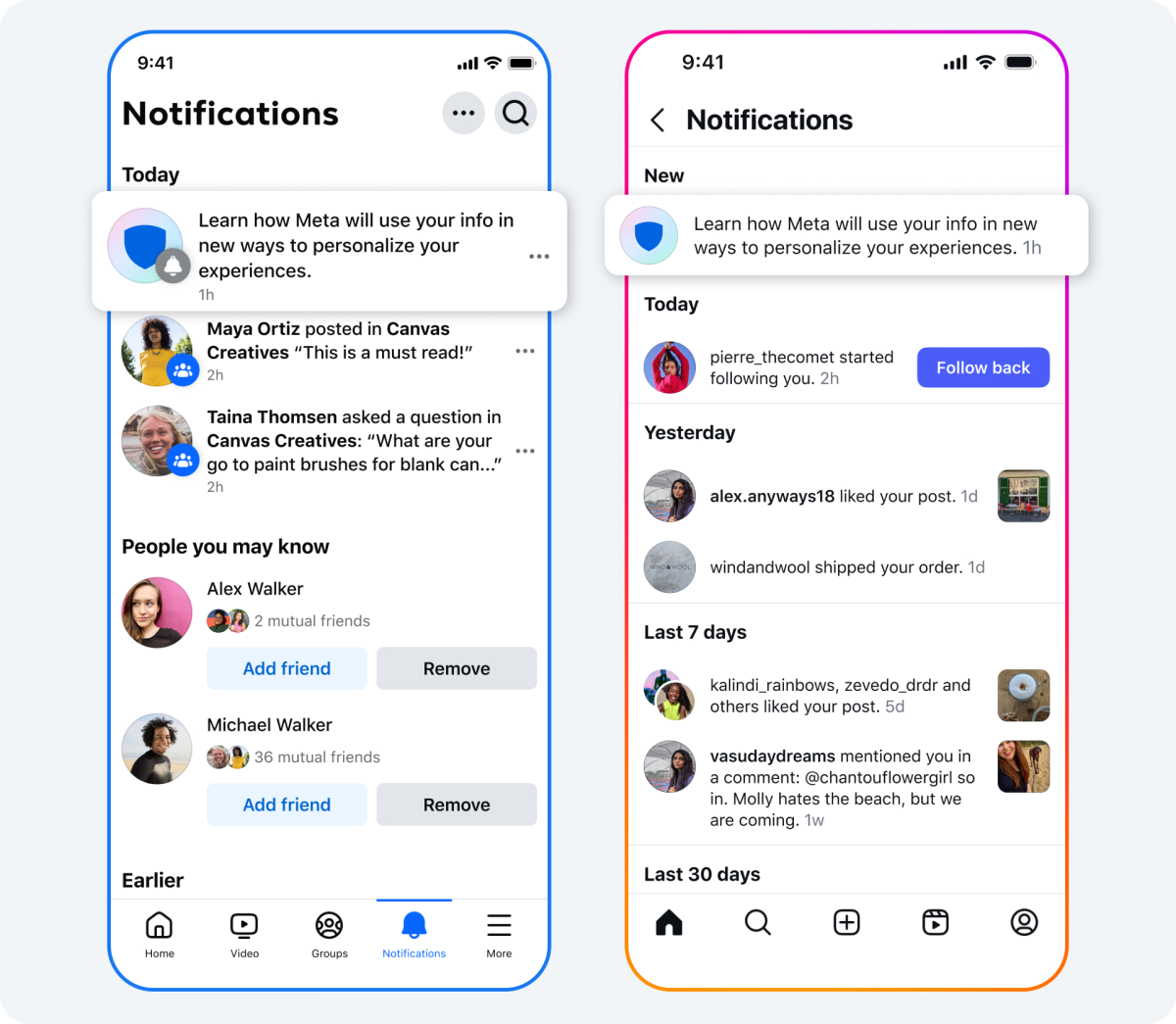
* October 7th: You’ll begin receiving notifications about this change within Facebook, Instagram, and WhatsApp.
* December 16, 2025: The new policy goes into effect for moast regions globally.
However, there are exceptions. Users in the United Kingdom, South Korea, and the European Union will, for now, be excluded from having their AI chats used for ad targeting and recommendations. This mirrors the delayed rollout of Meta AI itself in these regions, suggesting potential future adjustments.
How Will Your AI Interactions Be Used?
Currently, Meta already uses your likes, posts, and shares to curate your feed and deliver targeted advertising. Think about it: if you consistently engage with travel content,you’ll likely see related ads for hotels,flights,and activities.
Meta AI interactions will simply become another data point in this equation.
For example, if you ask Meta AI for vacation ideas in italy, expect to see ads for Italian hotels, tours, or travel gear shortly after. The goal is to deliver more “relevant” content, but the definition of relevance is, of course, tied to Meta’s advertising revenue.
No Opt-Out: What Can You Do?
This is the critical point: there is currently no way to opt out of having your meta AI conversations used for ad personalization. similar to the inability to completely disable Meta AI, you’re essentially required to participate.
Though, you can mitigate the impact. The most effective strategy is to simply avoid interacting with Meta AI if you’re concerned about targeted advertising. By not providing the data, you limit the signals meta can use.
Meta has stated it will automatically block sensitive topics – religion, politics, and health – from being used for advertising purposes. Additionally,you can utilize Meta’s ad preference settings to block specific ad topics,though this isn’t a foolproof solution.It may reduce the frequency of those ads, but won’t eliminate them entirely.
A Broader Trend: The Rise of AI-Powered Personalization
This move by Meta isn’t isolated. It’s part of a larger trend of tech companies integrating AI into their platforms and leveraging user interactions to refine ad targeting. Meta already uses interactions for personalization, and AI simply amplifies this capability.
The company argues this leads to a better user experience by surfacing more relevant content. Though, the lack of transparency and control raises legitimate privacy concerns.
The Bottom Line
meta is doubling down on AI-driven personalization, and your conversations are now part of the equation. while a complete opt-out isn’t available, understanding the changes and proactively managing your interactions with Meta AI can help you regain some control over your data and the ads you see.
what are your thoughts on this change? Have you been using Meta AI, and will this impact your usage? Share your outlook in the comments below.
Disclaimer: This article provides facts based on publicly available sources as of October 7, 2024. Meta’s policies are subject to change.





