
Mexico Faces Critical Measles Outbreak Amidst Controlled COVID-19 Situation
Mexico is currently navigating a complex epidemiological landscape. While COVID-19 remains present but largely under control, the country is grappling with a significant measles outbreak that has triggered a national health alert. This stark contrast highlights the ongoing challenges of infectious disease management and the critical importance of vaccination programs. The resurgence of measles, a highly contagious virus, is a growing concern for public health officials and underscores the vulnerabilities exposed during the COVID-19 pandemic.
Measles is considered one of the most contagious viruses known to humankind. Unlike COVID-19, where one infected person might spread the virus to a limited number of individuals, a single case of measles can infect up to 18 people in a susceptible population. This heightened transmissibility necessitates a much higher level of herd immunity – approximately 95% – to effectively halt the spread of the disease compared to COVID-19. The current outbreak is a stark reminder of the potential for rapid transmission when vaccination rates decline.
Measles Cases Surge Across Mexico, Chihuahua Most Affected
As of February 16, 2026, Mexico has recorded 9,850 confirmed cases of measles and a concerning 31 measles-related deaths, according to the Secretaría de Salud. The majority of these fatalities occurred in 2025 in Chihuahua, but recent deaths have also been reported in Jalisco and Durango, indicating the outbreak is spreading beyond its initial epicenter. Authorities have also documented 25,799 probable cases, with over 11,000 subsequently ruled out. The Pan American Health Organization (OPS) has granted Mexico an extension to control transmission and avoid losing its certification as a country free of endemic measles.
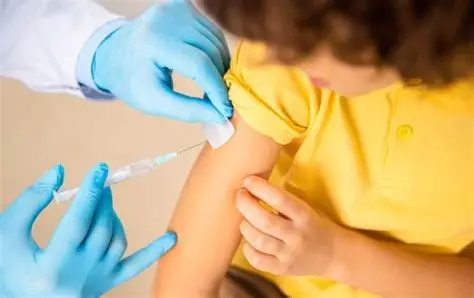
The state of Chihuahua remains the focal point of the outbreak, but cases have now been reported in all 32 Mexican states. This widespread geographical distribution underscores the urgency of a nationwide response. The government’s efforts to contain the outbreak include a large-scale vaccination campaign targeting children and adults who may be susceptible to the virus.
COVID-19 Remains Under Control, But Vigilance is Key
In contrast to the measles situation, COVID-19 in Mexico is currently considered to be under control, though still persistent. The virus has transitioned into a seasonal respiratory illness, similar to influenza, with low hospitalization rates and a positivity rate of around 1% in the early weeks of 2026. This shift reflects the widespread immunity developed through vaccination and prior infection, as well as the evolution of the virus itself.
However, health officials emphasize the importance of continued vigilance and adherence to public health recommendations, such as vaccination and hygiene practices, to prevent future surges. The experience with COVID-19 has demonstrated the potential for rapid spread and the importance of proactive measures to protect public health.
Vaccination Coverage Decline Fuels Measles Resurgence
The primary driver behind the current measles outbreak is attributed to a decline in vaccination coverage during the COVID-19 pandemic. Disruptions to routine immunization programs, coupled with vaccine hesitancy, have left a significant portion of the population vulnerable to infection. This highlights the critical role of maintaining high vaccination rates to prevent the re-emergence of vaccine-preventable diseases.
In response, the Mexican federal government has announced the procurement of over 27 million doses of measles vaccine for 2026. José Narro Robles, former Secretary of Health, has described the situation as an “emergency”, emphasizing the necessitate for collaborative efforts between health authorities and the public to achieve widespread immunization. Citizens are encouraged to review their vaccination records, specifically the Cartilla Nacional de Salud, to determine their immunization status.
Unique Immunological Impact of Measles
Measles differs from COVID-19 in its impact on the immune system. According to experts, measles can induce a form of “immunological amnesia,” potentially weakening the immune system’s ability to respond to other diseases for months or even years. This phenomenon underscores the broader health consequences of measles infection beyond the immediate symptoms of the disease. This immunological impact further emphasizes the importance of preventing measles through vaccination.
The current situation in Mexico serves as a global warning about the dangers of declining vaccination rates and the potential for outbreaks of vaccine-preventable diseases. Maintaining robust immunization programs and addressing vaccine hesitancy are crucial for protecting public health and preventing future epidemics.
The severity of the outbreak has prompted a national response, with health authorities working to increase vaccination coverage and contain the spread of the virus. The government’s acquisition of 27 million vaccine doses represents a significant investment in public health and a commitment to protecting the population from this highly contagious disease.
As of February 19, 2026, the situation remains fluid, and ongoing monitoring and vaccination efforts are essential to mitigate the impact of the measles outbreak. The next official update from the Secretaría de Salud is expected in early March, providing further insights into the progress of the vaccination campaign and the evolving epidemiological situation. Readers are encouraged to stay informed through official channels and consult with their healthcare providers regarding vaccination recommendations.
Disclaimer: This article provides information based on currently available data as of February 19, 2026. The situation is subject to change, and readers should consult official sources for the most up-to-date information.



