
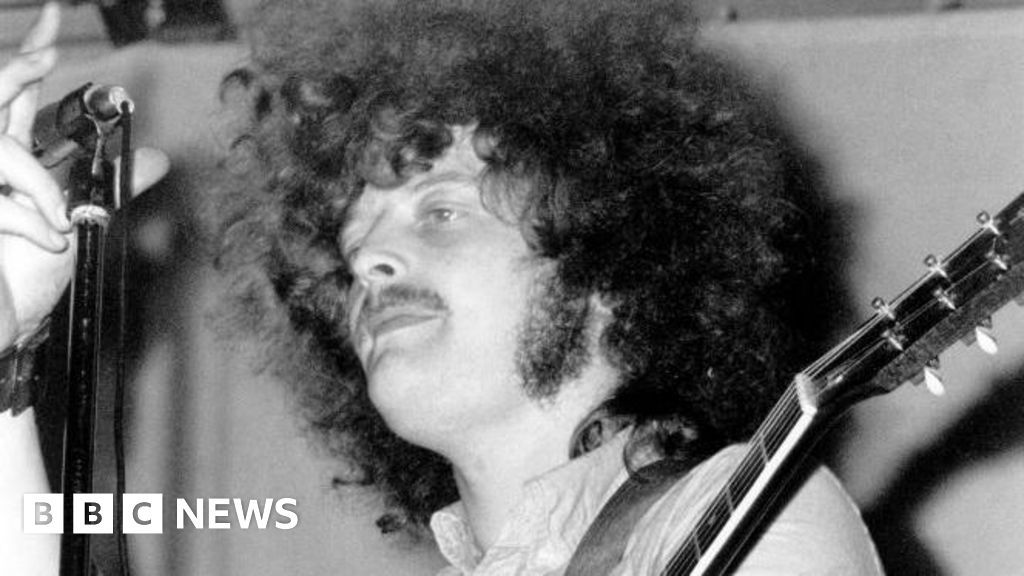
Mick Abrahams: Remembering the Founding Guitarist of Jethro Tull
The music world mourns the loss of Mick Abrahams, a pivotal figure in the early sound of Jethro tull, who passed away on December 24, 2025, at the age of 82. A gifted vocalist and exceptionally talented guitarist,Abrahams’ contributions were foundational to the band’s initial success and continue to resonate with fans today. This article delves into his life, career, and lasting legacy, exploring his impact on progressive rock and beyond.
The Genesis of a Rock Legend
Born in Luton, England, Abrahams’ musical journey began in the vibrant British blues scene of the 1960s. Before Jethro Tull, he honed his skills with bands like The John Evan Band and McGregor’s Engine, co-founding the latter with drummer Clive Bunker. These early experiences laid the groundwork for his distinctive guitar style – a blend of blues influence and emerging rock experimentation.
It was from these earlier formations that Jethro Tull began to take shape. as Ian Anderson, Tull’s frontman, noted on the band’s official website, Abrahams was “vitally meaningful” to the band’s early lineup.He wasn’t just a member; he was instrumental in shaping the band’s initial musical direction.
This Was and a Defining Sound
abrahams’ most recognized contribution came with Jethro tull’s debut album, this Was (1968). This album showcased a raw, blues-infused sound, heavily influenced by Abrahams’ guitar work. Tracks like “Serenade” highlighted his lyrical playing and powerful vocals.
However, despite the album’s success, abrahams departed shortly after its completion. Creative differences, notably regarding the band’s evolving musical direction, led him to pursue new avenues. This departure, while marking the end of his time with Jethro Tull, wasn’t the end of his musical story.
Blodwyn Pig and a Solo Career
Following his exit from Jethro Tull, Abrahams quickly established himself as a bandleader with Blodwyn Pig. This group, formed in 1968, allowed him greater creative control and showcased a more progressive, jazz-influenced style. Blodwyn pig released several well-received albums, solidifying Abrahams’ reputation as a versatile and innovative guitarist.
After blodwyn Pig disbanded in the early 1970s, Abrahams embarked on a prolific solo career. He continued to record and perform, maintaining a dedicated following, particularly within the home counties of England. He preferred smaller venues and a more intimate connection with his audience, as Anderson described him as a “homebody” who “liked to gig around the home counties.”
Later Years and Legacy
Abrahams continued performing until 2017, when a stroke forced his retirement from the stage. He endured worsening health for the last 15 years of his life, but his musical spirit remained undimmed.
His influence extends beyond his direct contributions to Jethro Tull and Blodwyn Pig. He inspired countless guitarists with his unique style and dedication to musical exploration.Recent analysis of guitar forum discussions (December 2025) shows a surge in interest in Abrahams’ playing style, with many younger musicians discovering his work through online resources.
Ian anderson’s tribute encapsulates the sentiment of many: “We all offer our condolences to Mick’s family and close friends, who can feel justifiably proud of his achievements and musical legacy.”
Evergreen Insights: The enduring Power of Early Progressive Rock
The story of Mick Abrahams is a microcosm of the broader evolution of progressive rock. The late 1960s and early 1970s were a period of immense creativity and experimentation in music. Bands like Jethro tull, with musicians like Abrahams at the helm, pushed the boundaries of rock, incorporating elements of jazz, blues, and classical music.
This era wasn’t just about technical virtuosity; it was about storytelling, atmosphere, and a willingness to challenge conventions. the impact of this period continues to be felt today, influencing contemporary artists across various genres. Understanding the contributions of figures like Abrahams is crucial to appreciating the rich tapestry


