
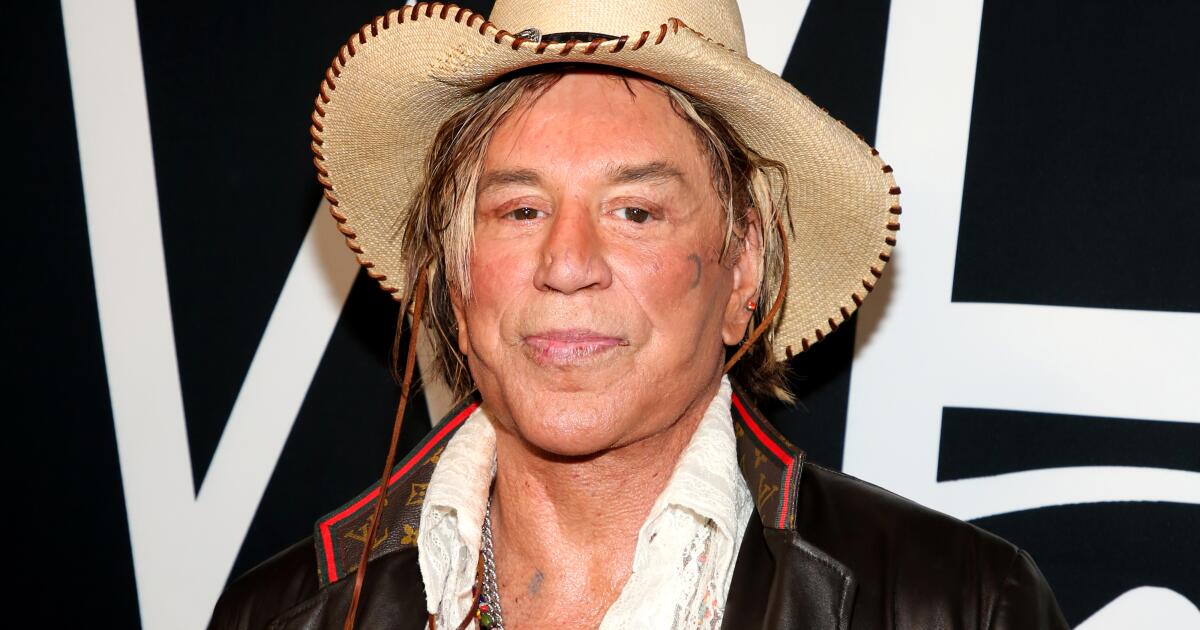
The complexities of fame and financial stability were starkly illuminated this week as actor Mickey Rourke, known for his roles in films like “The Wrestler” and “Iron Man 2,” officially lost possession of his Los Angeles home following a default eviction ruling. The case, stemming from nearly $60,000 in unpaid rent, took a poignant turn when Rourke publicly rejected a GoFundMe campaign that had raised over $100,000 to help cover his debts. This situation highlights the precarious financial realities that can face even established performers and raises questions about support systems within the entertainment industry.
The legal proceedings, culminating in a judgment filed on Monday in Los Angeles County Superior Court, underscore the actor’s failure to respond to eviction notices. This default ruling, as reported by multiple sources, grants possession of the property to landlord Eric T. Goldie and terminates Rourke’s lease. The situation unfolded after Rourke was initially served with a three-day notice to pay rent or vacate the premises on December 18, 2025, a notice he did not comply with, according to court documents. The landlord subsequently filed an eviction complaint on December 29, alleging $59,100 in back rent for the $7,000-a-month rental property.
A GoFundMe Campaign and Rourke’s Rejection of Aid
In an attempt to prevent the eviction, Rourke’s management team initiated a GoFundMe campaign in January, spearheaded by his representative Kimberly Hines. The campaign description, as reported by the Los Angeles Times, framed Rourke’s situation as a story of an artist who had “given everything to his work” and faced hardship despite his talent. The outpouring of support was swift, with approximately 2,700 donors contributing over $100,000 within just three days. But, Rourke vehemently opposed accepting the funds.
Rourke publicly denounced the GoFundMe effort in a video posted to his Instagram account on January 5, calling it “humiliating.” He stated he would rather endure extreme hardship than accept charity, expressing his distress over the circumstances that led to the fundraising effort. He cited issues with the property itself, alleging problems such as rodent infestations, structural damage, and plumbing failures.
Rourke’s Financial Struggles and Property Conditions
Rourke detailed his frustrations with the property, claiming that new owners had neglected necessary repairs. He specifically mentioned issues with mice, rats, a rotting floor, and a malfunctioning bathtub. His manager, Kimberly Hines, previously told the Hollywood Reporter that the GoFundMe was initiated with Rourke’s knowledge and agreement, aiming to provide a temporary solution whereas alternative housing was secured. Hines explained that the Beverly Grove home suffered from significant water damage and black mold, necessitating a move. She had reportedly arranged for Rourke to relocate to an apartment in Koreatown.
The actor’s rejection of the funds, however, underscored a deep-seated aversion to accepting charity. His statement, while emotionally charged, revealed a sense of pride and a desire to resolve his situation independently. This stance, while understandable to some, ultimately left him without the financial support offered by his fans and well-wishers. The situation also brought to light the broader challenges faced by performers in maintaining financial stability, even after achieving significant success in their careers.
The Default Ruling and its Implications
The default eviction ruling signifies that Rourke did not take the necessary legal steps to defend against the eviction complaint within the timeframe allowed by law. This lack of response effectively conceded the case to his landlord, Eric Goldie. According to court documents, the ruling pertains to “possession” of the residence, meaning Rourke is legally required to vacate the property. Reports indicate that Rourke was observed removing his belongings from the home in January, and a U-Haul truck was seen at the property, suggesting he had begun the process of relocation.
Following the eviction ruling, Rourke was reportedly staying at an upscale hotel in West Hollywood, California, with rooms starting at $550 per night, according to Page Six. This temporary accommodation, while providing immediate shelter, represents a significant financial burden, especially given the circumstances that led to the eviction. The actor’s financial situation has been a subject of public discussion for years, with reports of past struggles and periods of relative instability.
The Broader Context of Financial Challenges in the Entertainment Industry
Mickey Rourke’s case is not isolated. The entertainment industry, while often perceived as glamorous and lucrative, can be fraught with financial insecurity for many performers. Fluctuating income, inconsistent work opportunities, and the high cost of living in major entertainment hubs like Los Angeles contribute to these challenges. Many actors, even those with established careers, rely on a patchwork of income sources and may face periods of financial hardship. The rise of streaming services and changes in distribution models have further complicated the financial landscape for performers, impacting residuals and overall earning potential.
The situation also raises questions about the availability of support systems for actors facing financial difficulties. While organizations like the Screen Actors Guild-American Federation of Television and Radio Artists (SAG-AFTRA) offer some assistance, the demand for services often exceeds available resources. The GoFundMe campaign, while ultimately rejected by Rourke, demonstrated the willingness of fans to provide support, highlighting a potential avenue for addressing financial needs within the entertainment community. However, the reliance on crowdfunding raises ethical considerations and underscores the need for more sustainable and systemic solutions.
Legal Details and Timeline of Events
The eviction process began with a three-day notice to pay rent or vacate, served on December 18, 2025. The landlord, Eric Goldie, filed the official eviction complaint on December 29, 2025, citing $59,100 in unpaid rent. The default judgment was entered on Monday, March 10, 2026, after Rourke failed to respond to the complaint. This timeline, as documented in Los Angeles Superior Court records, illustrates the relatively swift progression of the legal proceedings. The monthly rental cost for the property was $7,000, according to court filings.
The case underscores the importance of adhering to legal obligations and responding to court notices in a timely manner. A default judgment, as in this instance, can have significant consequences, resulting in the loss of housing and potential damage to credit ratings. It also highlights the need for individuals facing financial difficulties to seek legal counsel and explore available options for resolving disputes with landlords.
As of today, March 11, 2026, Mickey Rourke has officially vacated the property, and Eric T. Goldie has regained possession. The actor’s future housing arrangements remain uncertain, and it is unclear whether he will pursue further legal action regarding the condition of the property. Further updates on this case are expected as any potential appeals or related legal proceedings unfold. Readers are encouraged to share their thoughts and perspectives on this complex situation in the comments below.