
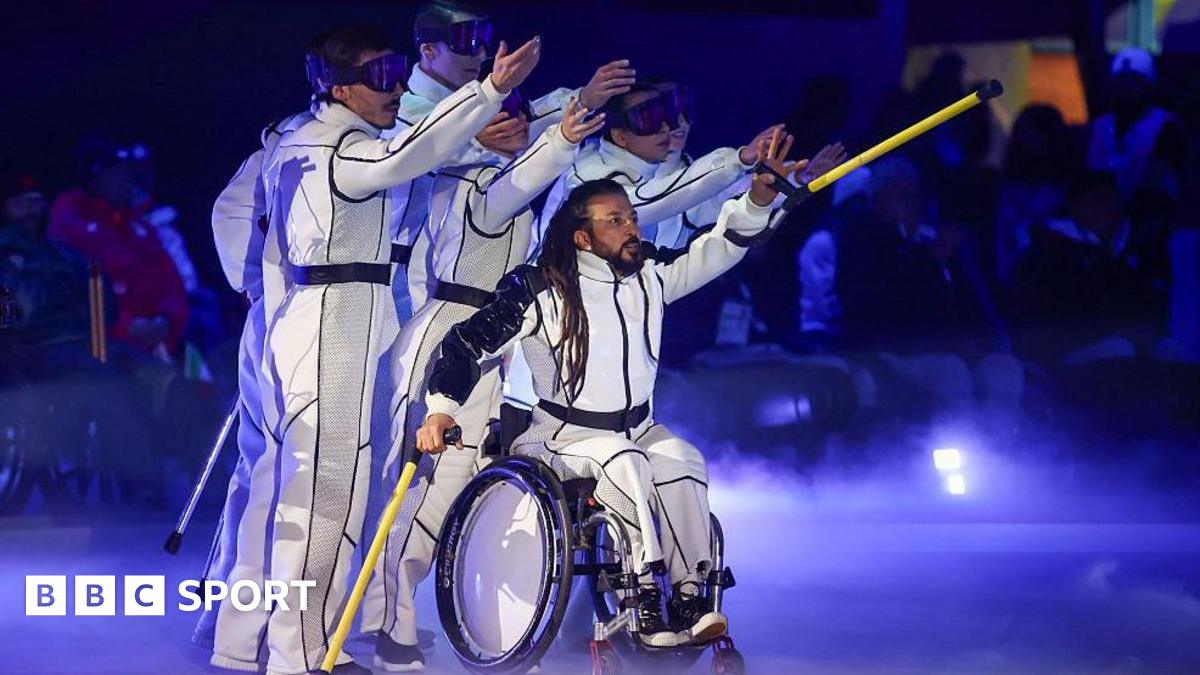
The 2026 Milan-Cortina Winter Paralympics have officially concluded, marking the end of a high-stakes sporting event defined by both athletic triumph and urgent conversations about the future of winter sports. The games closed with a memorable ceremony that celebrated the resilience of the athletes and the spirit of international competition in Italy.
As the curtain falls on the Milan-Cortina Winter Paralympics closing ceremony, the global sporting community is reflecting on the achievements of the competitors. Although the festivities provided a celebratory end to the event, the games were framed by a backdrop of evolving environmental challenges that have sparked a broader debate within the Paralympic movement.
The event highlighted the enduring appeal of winter para-sports, yet it also served as a catalyst for discussions regarding the sustainability of hosting such competitions in traditional winter climates. With the closing ceremony now complete, the focus shifts from the medal podiums to the long-term viability of the Winter Paralympics in an era of rapid climate change.
A Celebration of Athletic Achievement
The closing ceremony in Milan-Cortina was designed to embrace the spirit of the games, providing a final platform for the athletes who competed across various winter disciplines. The atmosphere was one of celebration, honoring the dedication of para-athletes who have pushed the boundaries of human performance on the ice and snow.

For many, the ceremony was a poignant reminder of the inclusivity and strength inherent in the Paralympic movement. The event successfully brought together participants from across the globe, reinforcing the bonds of sportsmanship and mutual respect that define the Olympic and Paralympic cycles.
Climate Change and the Future of Winter Sports
Despite the celebratory nature of the closing events, the 2026 games were marked by significant concerns regarding environmental stability. A primary talking point emerging from the event is whether the Winter Paralympics should be moved or restructured to address the challenges posed by climate change BBC.
The volatility of winter weather patterns has made it increasingly difficult for host cities to guarantee the consistent snow and ice conditions necessary for fair and safe competition. This has led to a critical dialogue among organizers and environmental experts about the necessity of adapting the games to ensure they can continue for future generations of athletes.
The debate centers on whether the event should remain tied to traditional winter locations or if a new model is required—one that perhaps prioritizes regions with more stable climates or integrates more advanced artificial snow technology to mitigate the impact of warming temperatures.
Key Considerations for Future Host Cities
- Environmental Sustainability: The demand for host cities to demonstrate a commitment to carbon neutrality and ecological preservation.
- Weather Reliability: Assessing the risk of temperature spikes that could disrupt event schedules or athlete safety.
- Infrastructure Adaptation: The shift toward more sustainable venue construction and the use of existing facilities to reduce the environmental footprint.
Reflecting on the 2026 Games
The 2026 Milan-Cortina games will likely be remembered not only for the records broken and medals won but as a turning point for the International Paralympic Committee and its partners. The juxtaposition of a celebratory closing ceremony with a serious discourse on climate change underscores the complexity of maintaining global sporting events in the 21st century.
As analysts and sports journalists look back at the event, the primary legacy may be the urgency it has created to identify a sustainable path forward. The Milan-Cortina Winter Paralympics closing ceremony acted as a final bow for the athletes, but it also served as an opening bell for a necessary conversation about the survival of winter sports.
With the games now concluded, the international community awaits further guidance and strategic planning from sports governing bodies on how to address these climate challenges for future iterations of the Winter Paralympics.
We invite our readers to share their thoughts on the future of the Winter Paralympics in the comments section below. How should the movement adapt to a changing climate?