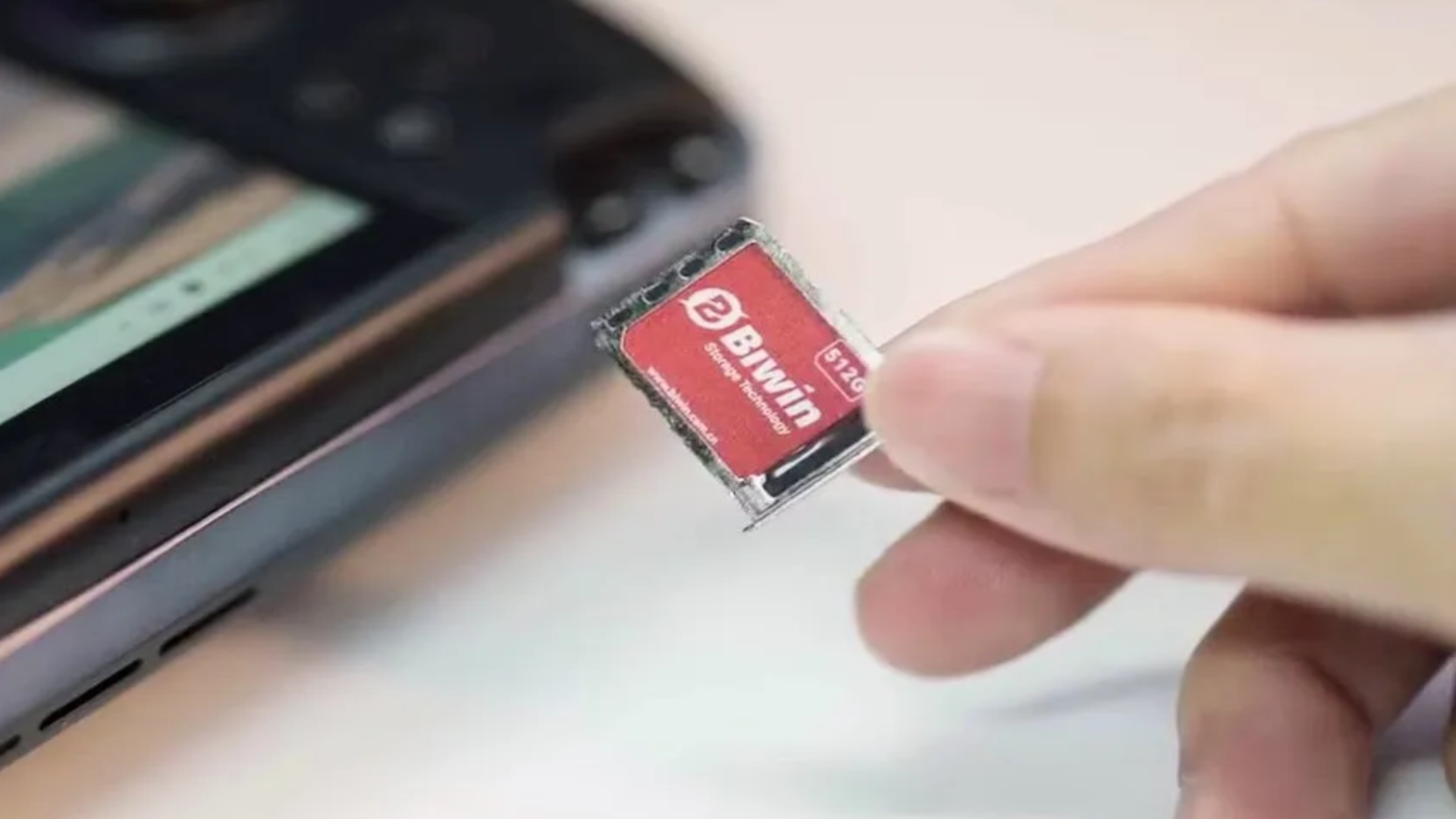
will Biwin‘s Mini SSD revolutionize Mobile Storage - Or Remain a Niche Product?
Biwin has introduced a compelling new storage format: the Mini SSD. But will it truly challenge the ubiquitous microSD card? It’s success hinges on a crucial step – one SanDisk took years ago with its own groundbreaking technology. Let’s dive into the potential, the hurdles, and what it means for your devices.
The Rise of microSD: A Lesson for Biwin
In 2005, SanDisk launched what was then called the T-Flash card, now known as microSD. Their smart move? Immediately submitting the format to the Secure Digital Association (SDA).
This opened the door for countless manufacturers to create compatible cards, rapidly establishing microSD as the dominant standard for removable storage. Without a similar approach, Biwin’s Mini SSD risks staying a proprietary format, limiting its reach.
Why Standardization Matters
To genuinely displace microSD, Biwin needs to submit the Mini SSD specifications to either the SDA or PCI-SIG. These are the leading organizations governing removable storage standards.
Adoption by these bodies would encourage members to integrate the Mini SSD into their devices, fostering widespread compatibility. Think of it as unlocking the format’s full potential.
Mini SSD: Performance and Practicality
The Mini SSD boasts impressive performance characteristics. It surpasses microSD Express cards, which typically max out around 985MB/s. It can even match the speed of SD Express cards, reaching up to 3,940MB/s – and those cards are nearly twice the size.
Here’s a rapid breakdown of its key advantages:
* speed: Faster than microSD Express, competitive with SD Express.
* Ease of Use: The slot functions like a SIM tray, allowing for simple swaps and upgrades with a pin.
* Durability: IP68 water and dust resistance, plus the ability to withstand 3-meter drops. This makes it ideal for rugged mobile use.
While it may not be the absolute fastest external SSD available, its compact size makes it perfect for space-constrained and highly portable devices. Currently, M.2 drives still lead in raw speed, reaching up to 14,000MB/s and dominating the largest SSD market. However, the Mini SSD is rapidly closing the gap in terms of portability.
Early Adoption & Future Outlook
The Mini SSD is already gaining traction. Two Chinese gaming handhelds – the GPD Win 5 and OneNetbook’s OneXPlayer Super X hybrid – have integrated dedicated Mini SSD slots.
This early adoption is a positive sign. However, broader industry support is essential for long-term success.
what Does This Mean for You?
If you rely on portable devices,the Mini SSD offers a compelling alternative to traditional storage. Its speed, durability, and ease of upgrade could significantly enhance your mobile experience.
However, keep in mind:
* Compatibility: Currently limited to devices specifically designed for the Mini SSD format.
* Cost: Expect a premium price compared to microSD cards, at least initially.
Ultimately, the future of the Mini SSD depends on Biwin’s willingness to embrace industry standardization. if they follow SanDisk’s example, this innovative format has the potential to reshape the landscape of mobile storage.