
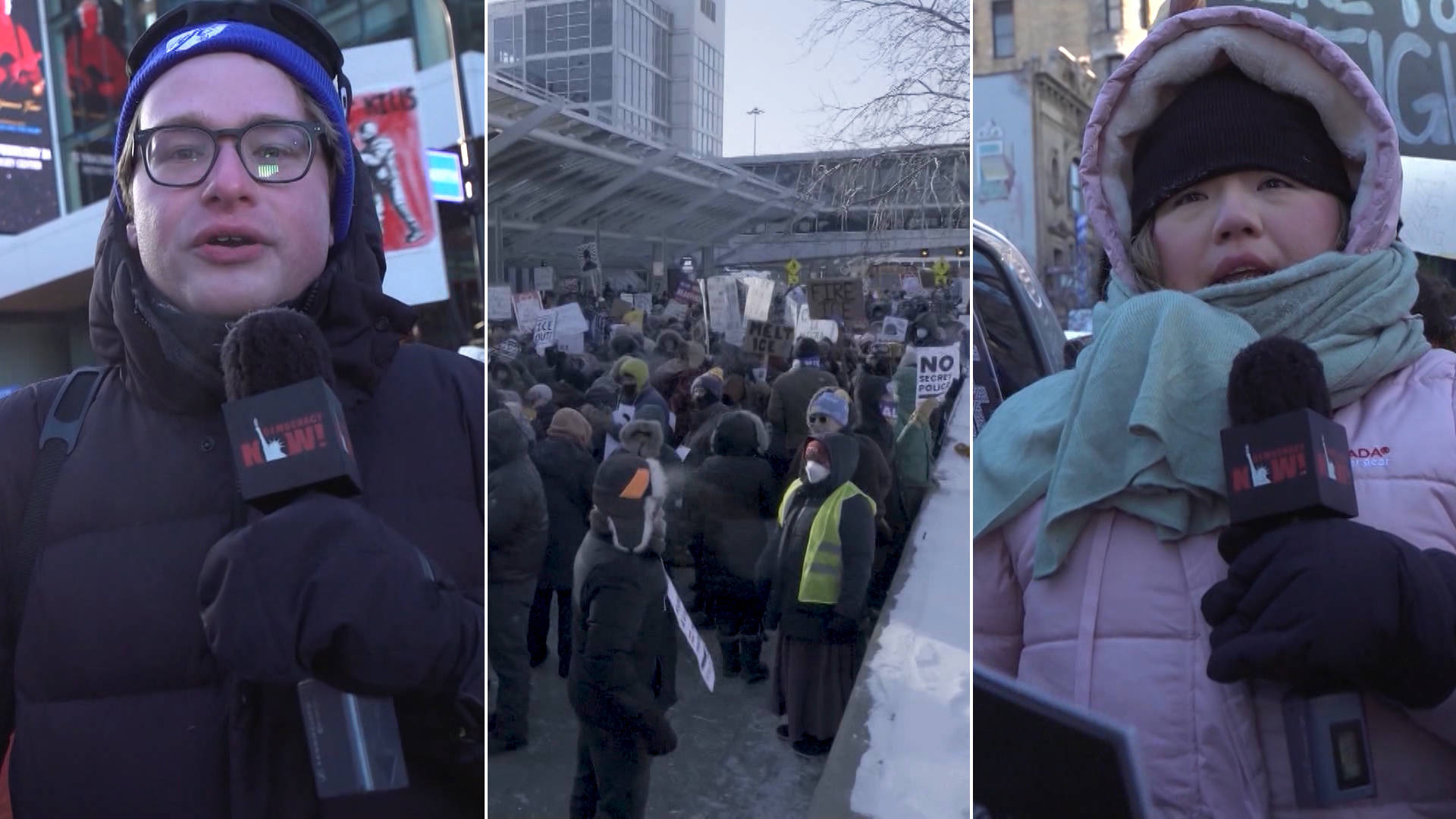
Minnesota Protests Demand End to ICE Operations
On January 23, 2026, tens of thousands of Minnesota residents demonstrated in Minneapolis, calling for the abolishment of U.S. Immigration and Customs Enforcement (ICE). The protests, organized by religious and labor leaders, were coupled with a day-long economic boycott, with approximately 700 businesses reportedly participating in the exhibition of solidarity.
The Roots of the Protest
The demonstrations reflect growing concerns regarding ICE’s policies and their impact on immigrant communities in Minnesota. Protesters voiced fears about increased deportations and the overall climate of fear within their neighborhoods. john Reuss,an English teacher interviewed during the protest,articulated this sentiment,stating that his students are living in fear and that the issue could spread to other cities if left unchecked. This sentiment underscores a broader national debate surrounding immigration enforcement and its effects on families and communities.
Economic Boycott and Community Response
The coordinated economic boycott saw a meaningful number of businesses close their doors for the day, demonstrating widespread support for the cause. This tactic aimed to highlight the economic contributions of immigrant communities and the potential disruption caused by aggressive immigration enforcement. The scale of the boycott - involving 700 businesses – signals a strong and unified message from the Minnesota community.
National Context and Ongoing Debate
The protests in Minnesota are part of a larger national conversation about the role of ICE and immigration policy in the United States. ICE, established in 2003, is responsible for enforcing immigration laws within the country. Its actions have been the subject of considerable scrutiny, with critics raising concerns about human rights violations and the separation of families. U.S. Immigration and Customs Enforcement provides information on the agency’s mission and operations.
Key Concerns Regarding ICE
- Deportation policies: Critics argue that ICE’s deportation policies are overly aggressive and target individuals with long-standing ties to the community.
- Detention Conditions: Concerns have been raised about the conditions in ICE detention centers, including reports of inadequate medical care and overcrowding.
- Impact on Families: The deportation of parents can have devastating consequences for children and families.
Looking Ahead
The protests in Minnesota represent a powerful display of community activism and a demand for change in immigration policy. As the debate over immigration continues,it is likely that similar demonstrations will occur in other parts of the country. The future of ICE and immigration enforcement remains a critical issue,with significant implications for individuals,families,and communities across the United States. For further information on the Minneapolis protest, see Democracy now!.



