
The Double-Edged Crown: Beauty Pageants, Colonial legacies, and the Fight for Self-Definition
The recent surge in participation from nations historically marginalized in global beauty pageants like miss Universe presents a complex paradox. While seemingly a step towards inclusivity, a closer examination reveals a fraught landscape where the desire for representation can inadvertently reinforce the very systems of power it seeks to challenge. This isn’t simply about how marginalized communities are represented, but a critical assessment of the value of the platforms demanding that representation, and whether true liberation can be found within their gilded cages.
As a cultural critic and observer of global socio-political trends, I’ve long been fascinated by the intersection of identity, power, and spectacle. The allure of platforms like Miss Universe is understandable. For individuals and communities historically silenced, the chance to claim space on a global stage is undeniably appealing. However, this pursuit of inclusion often necessitates navigating a system deeply rooted in Western ideals, capitalist structures, and a history of exploitation.The danger lies in reframing identity to fit a pre-defined, universally palatable mold – a mold that inherently prioritizes the perspectives and values of the dominant culture.
The Congo’s Story: A Case Study in Complicated Representation
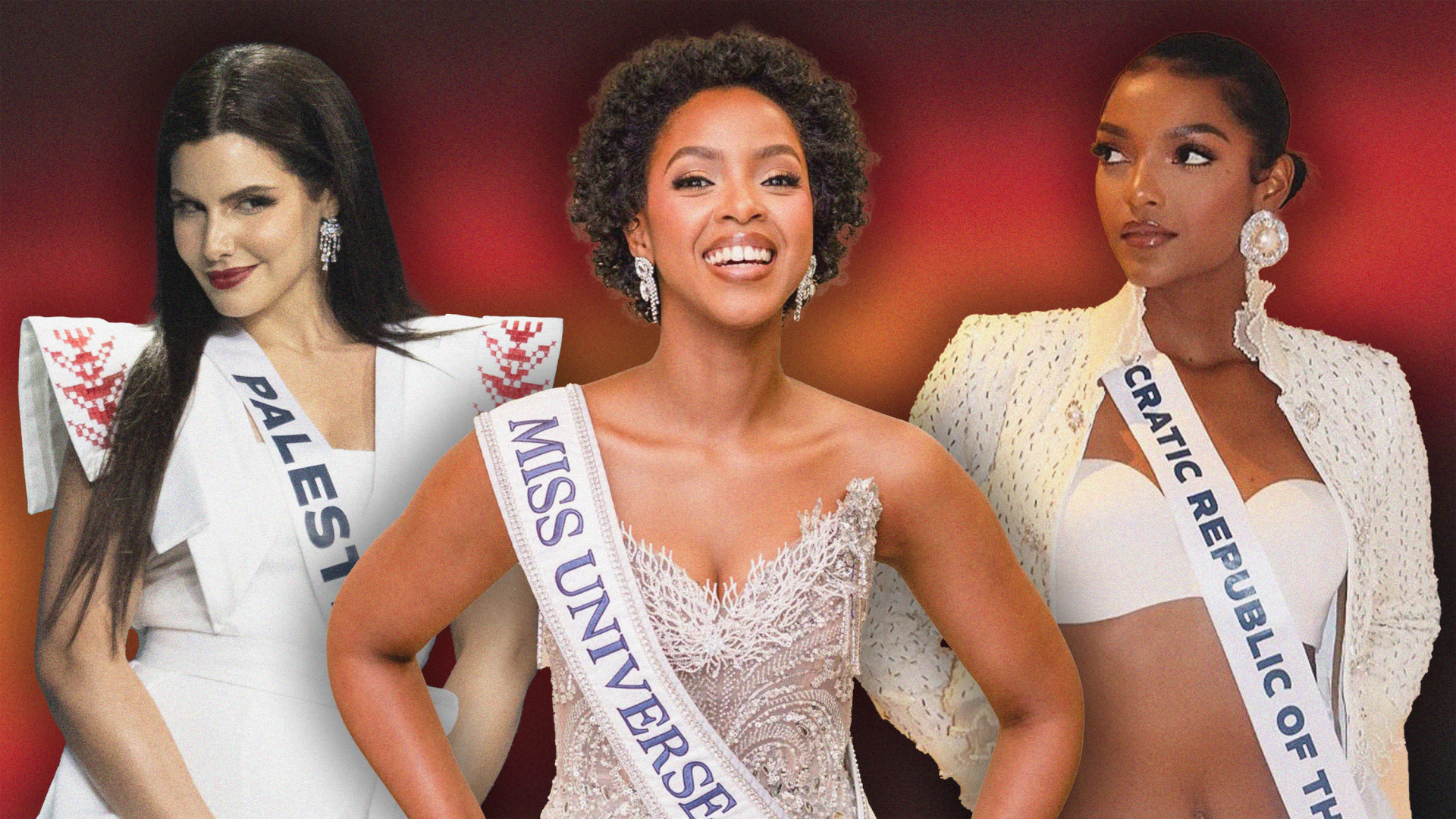
The recent involvement of the Democratic Republic of Congo (DRC) in Miss Universe provides a compelling example. Ilda Amani‘s return to the competition after a 40-year absence, coinciding with growing momentum for Congolese liberation movements, felt particularly poignant. This year,Dorcas Dienda Kasinde continued this trend,leveraging her platform to raise awareness about the ongoing conflict and humanitarian crisis in the DRC,specifically focusing on the needs of children and advocating for menstrual and sexual justice.
These women are undeniably courageous, bringing critical issues to an international audience. However, the optics are unsettling. A multi-billion dollar industry built on commercialism and aesthetic ideals suddenly offering a platform to women representing nations grappling with systemic violence and oppression feels, at best, performative and, at worst, actively harmful. The DRC’s liberation movements are fundamentally anti-capitalist, and the spectacle of a beauty pageant stands in stark contrast to the realities of struggle on the ground. There’s a legitimate fear that these movements, and the suffering they address, will be “bedazzled” – reduced to a visually appealing narrative stripped of its political and historical context.
Beyond Protest: The Burden of Representation
It’s crucial to acknowledge that not every contestant needs to be a political activist. There’s a damaging tendency to project expectations of “radicalism” onto individuals simply living and navigating complex realities. The truth, frequently enough obscured by dominant narratives, is that challenging the status quo is not radical; maintaining the status quo is.
The core issue isn’t about demanding protest from beauty contestants, but recognizing the inherent violence embedded within the system itself. The same forces that inflict suffering in countries battling colonialism manifest in different forms within these glamorous spaces – camouflaged by beauty standards and sanitized political messaging. Platforms like Miss Universe, while appearing to empower women, ultimately perpetuate a system where true freedom remains unattainable. The pursuit of a crown, under these conditions, can feel like a Faustian bargain.
Reclaiming Beauty: A Call for Sovereign Self-Definition
Yet, there is also a powerful argument to be made for the subversive potential of simply being. For women from historically marginalized communities to appear poised, stunning, and unbroken on a global stage can be a defiant act of resistance. The joy of embracing beauty, of carrying it with grace and dignity in the face of adversity, is a powerful statement. It signals resilience, a refusal to be erased, and a declaration of continued existence.
However, this potential is contingent on who controls the narrative and stewards the archives of that beauty.We must ask ourselves: can we allow these platforms to define our beauty,or can we collectively redefine it on our own terms? Where does our beauty feel safest,freest,and most sovereign?
The question isn’t whether to participate in these spaces,but how to navigate them with critical awareness and a commitment to self-determination. Perhaps the true revolution lies not in conquering the crown, but in building choice spaces – spaces where beauty is celebrated authentically, without the constraints of empire, patriarchy, and the relentless demands of a capitalist gaze.
moving Forward: Prioritizing Decolonial Dreams
The increasing visibility of marginalized communities in spaces like miss Universe demands a recontextualization of decolonial dreams. We must actively seek and cultivate platforms that prioritize authentic storytelling, community empowerment, and genuine liberation. This requires a conscious shift away from seeking validation from a world that often values its own delusions and towards building spaces where our narratives can thrive on our own terms.





