
Trump’s 50% Tariffs on India: A Deep Dive into the Economic and Geopolitical Fallout
Are you concerned about the escalating trade tensions between the U.S. and India? The recent imposition of a hefty 50% tariff by President Trump on Indian goods has sent ripples through the global economy and is reshaping the relationship between two key nations. This isn’t just about trade numbers; it’s about geopolitical strategy and the future of international commerce. Let’s break down what’s happening, why it matters to you, and what the potential consequences are.
The New Reality: 50% Tariffs Take Affect
On Wednesday, President Trump’s 50% tariffs on a range of Indian products officially whent into effect. This move immediately prompted a strong response from Indian officials, who are now actively encouraging citizens to prioritize domestically manufactured goods. This isn’t a minor adjustment; it represents some of the highest tariffs Trump has levied globally, and the most notable in Asia.
The core issue driving this decision? India’s continued purchases of Russian oil. The U.S. is attempting to curtail Russia’s revenue streams, and India’s ongoing trade with moscow is viewed as undermining those efforts.
A Brief History of escalation
This didn’t happen overnight. Earlier this month, Trump briefly delayed the doubling of tariffs on India from 25%, seemingly offering a window for negotiation. This pause potentially gave India and russia time to discuss alternatives before the levies took hold. However, as reported by the BBC, planned trade talks between U.S. and Indian officials were abruptly canceled, signaling a breakdown in diplomatic efforts.
This cancellation is a critical turning point, suggesting a hardening of positions on both sides.
Modi’s Response: A Call for Self-Reliance
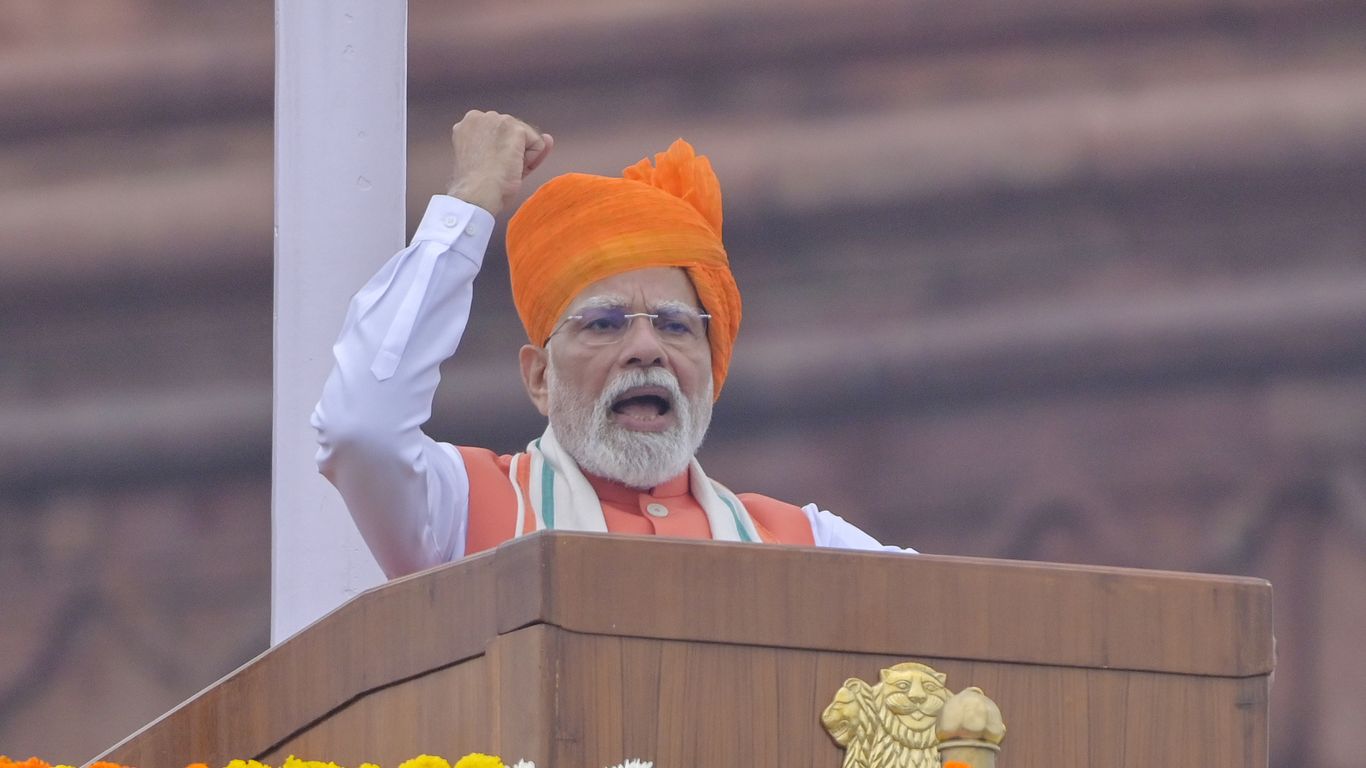
Indian Prime Minister Narendra Modi has responded to the tariffs with a powerful message of national self-reliance. During a recent speech in Ahmedabad, Modi stated, “No matter how much pressure comes, we will keep increasing our strength to withstand it.” He urged Indian citizens to embrace the mantra of “Made in India,” emphasizing pride and independence rather than desperation.
Modi has consistently championed domestic manufacturing in the lead-up to the tariff implementation, advocating for a stronger, more self-sufficient Indian economy. This isn’t simply a reactive measure; it’s a continuation of a long-term strategy.
Why This matters to You: Beyond the Headlines
these tariffs aren’t confined to the world of international trade. They have the potential to impact your wallet and the broader economic landscape in several ways:
Increased Costs: Tariffs are ultimately paid by consumers. Expect to see potential price increases on goods imported from India.
Supply Chain Disruptions: Businesses relying on Indian-made components or products may face disruptions and increased costs.
Geopolitical Shifts: The tariffs are pushing India closer to Russia, potentially altering the balance of power in the region.
Global Economic Uncertainty: Escalating trade wars create instability and hinder global economic growth.
The Geopolitical Angle: A closer Bond between Modi and Putin
The situation is also driving a closer relationship between India and Russia. as Axios reported, Trump’s tariffs are inadvertently pushing Modi and Putin together.India is seeking alternative sources for energy and other essential goods, and Russia is eager to fill that void. This strategic alignment has significant implications for global geopolitics.
This isn’t just about economics; it’s about forging alliances and navigating a complex international landscape.
Evergreen Insights: Understanding the Dynamics of Trade Wars
Trade wars are rarely simple. They are complex interactions of economic,political,and strategic factors. Here are some timeless insights to keep in mind:
Protectionism vs. Free Trade: The debate between protecting domestic industries and promoting free trade is a recurring theme in economic policy.
The Law of Unintended Consequences: Actions taken with one goal in mind often have unforeseen and sometimes negative consequences.
The Importance of Diversification: Relying heavily on a single trading partner can create vulnerabilities.
Geopolitics and Economics are Intertwined: Economic decisions are rarely made in a vacuum; they are often influenced by geopolitical considerations.
Frequently Asked Questions (FAQ)
**1. what are the specific goods affected by the





