Breaking Through barriers: novel Approach Shows promise in Combating Pancreatic and Gastrointestinal Cancers
Pancreatic cancer remains one of the most challenging cancers to treat, notorious for its aggressive nature, late diagnosis, and resistance to conventional therapies. However, a collaborative research effort between the University of California, Riverside (UCR) and City of Hope is offering a beacon of hope, bringing us significantly closer to more effective treatments – not just for pancreatic cancer, but for a range of gastrointestinal malignancies.
For years, the focus in cancer drug progress has largely centered around blocking the activity of harmful proteins. But what if,instead of simply inhibiting these proteins,we could actively remove them? This is the revolutionary concept driving the work of Dr. Maurizio Pellecchia at UCR and Dr. Mustafa Raoof at City of Hope, and their recent findings, published in Molecular Therapy Oncology, are generating considerable excitement within the oncology community.
Targeting Pin1: A Key to unlocking New Therapies
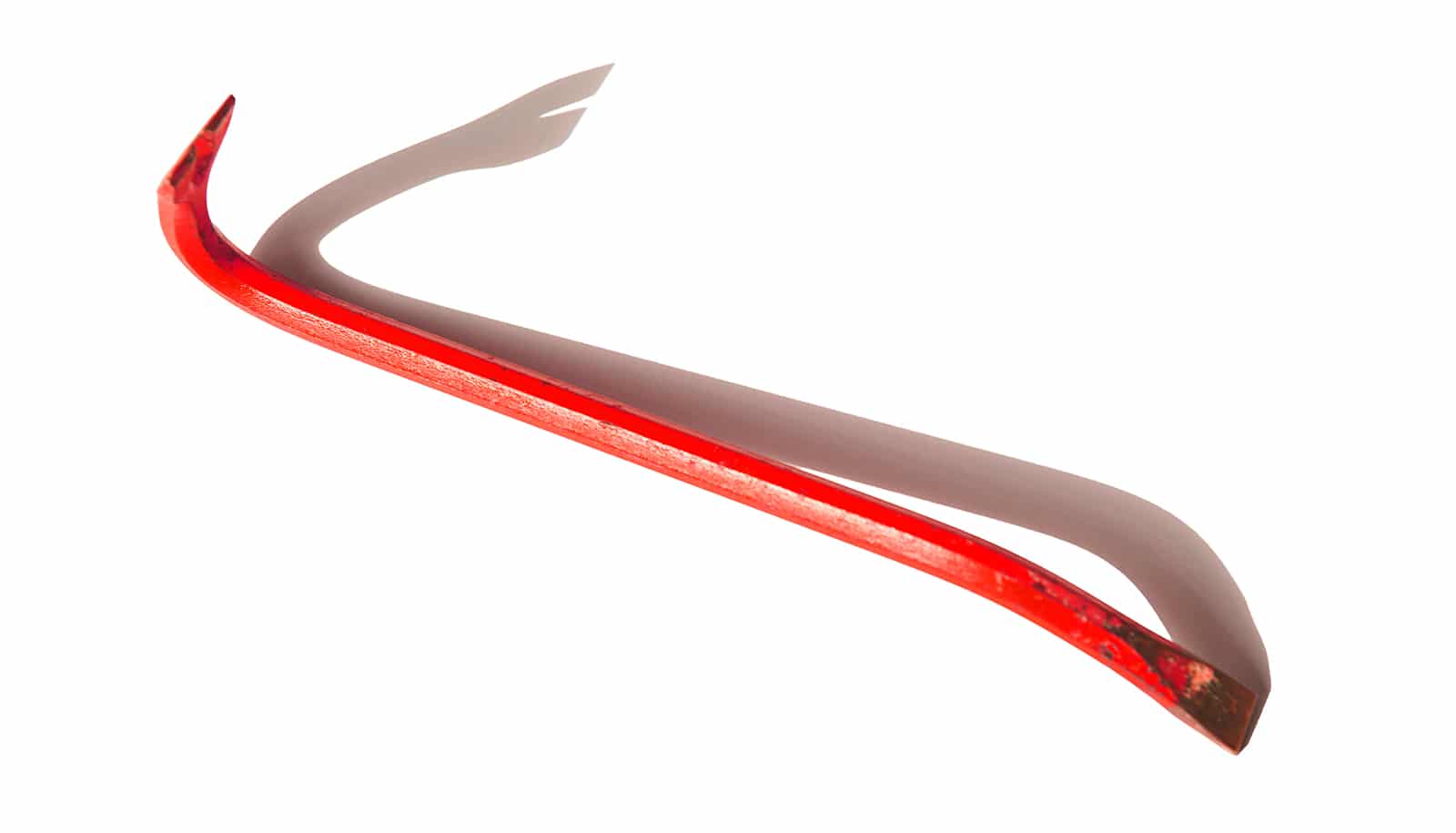
The research centers around a protein called Pin1.This enzyme is frequently overexpressed in numerous cancers, including pancreatic cancer, and plays a critical role in tumor growth and spread. Dr. Pellecchia’s team previously pioneered a “molecular crowbar” strategy – a clever approach designed to degrade Pin1,essentially dismantling it at the cellular level.
“We designed compounds that bind to Pin1 and destabilize its structure, causing its cellular degradation,” explains Dr. Pellecchia, Distinguished Professor of Biomedical Sciences at UCR and Director of the Center for Molecular and Translational Medicine.This isn’t just about attacking cancer cells directly. A particularly compelling aspect of this strategy is its ability to target the tumor microenvironment – the complex network of cells surrounding the tumor – specifically cancer-associated fibroblasts and macrophages, where Pin1 is also active. This is crucial, as the fibrous nature of the pancreatic tumor microenvironment often shields cancer cells from treatment.
Overcoming Treatment Resistance with a Novel Approach
The collaboration with Dr. Raoof’s team at City of Hope,facilitated by a shared U54 grant from the National cancer Institute,allowed for meaningful advancements. Researchers focused on improving the “plasma stability” of these Pin1-degrading compounds – ensuring they remain effective within the bloodstream – and meticulously studying their mechanism of action. Importantly, they utilized patient-derived biopsies at City of Hope to analyze the inhibitors’ impact on both cancer cells and the surrounding supportive cells.
This comprehensive approach revealed a particularly promising outcome in a mouse model of pancreatic cancer peritoneal metastases. Peritoneal metastases – the spread of cancer to the lining of the abdominal cavity – are a devastating complication of pancreatic, gastrointestinal, and other abdominal cancers, and currently have limited effective treatment options.
“We found that these degraders suppress pancreatic cancer peritoneal metastases,” Dr. Pellecchia states. “Hence,we believe that our agents could be translated into effective therapeutics against peritoneal metastases not only in pancreatic but also against other types of gastrointestinal and abdominal cancers that develop peritoneal metastases.”
A Grim Reality: The Urgency of New Treatments for Peritoneal Metastases
The urgency of this research cannot be overstated. In advanced colorectal and gastric cancers, peritoneal metastases frequently develop and render patients resistant to chemotherapy, leading to significantly poorer outcomes. For patients with pancreatic cancer and peritoneal metastases, the prognosis is particularly bleak, with a median survival of less than three months.
Building on Previous Successes & Looking Ahead
Dr. Raoof emphasizes the importance of this work in the context of existing research. “Earlier studies had shown that targeting Pin1 holds promise in making pancreatic cancer more susceptible to chemotherapy and immunotherapy, but more potent drugs were needed for translation in the clinic,” he explains. “These findings demonstrate proof-of-concept activity and reinforce our shared commitment to advancing novel therapies toward clinical trials.”
city of Hope, a leading center for pancreatic cancer research, was eager to partner with Dr.Pellecchia’s team to validate these highly potent Pin1 inhibitors in preclinical models.
what Does This Mean for Patients?
While still in the early stages of development, this research represents a significant step forward. The “degrader” approach – actively eliminating harmful proteins rather than simply blocking them – offers a possibly more durable and effective strategy for combating cancer. The focus on targeting the tumor microenvironment, and specifically addressing peritoneal metastases, addresses critical unmet needs in cancer treatment.
The next crucial step is translating these promising preclinical findings into clinical trials. The collaborative spirit between UCR and City of Hope, coupled with the support of the National Cancer Institute, positions this research for continued success and offers renewed hope