
The Shifting Sands of Comedy: When Does Self-Censorship Go Too Far?
The world of comedy is changing, and not always for the better. A growing trend of self-censorship,driven by fear of backlash and a hyper-sensitive cultural climate,is impacting even the most beloved comedic figures. It begs the question: where is the line between being mindful and stifling creativity?
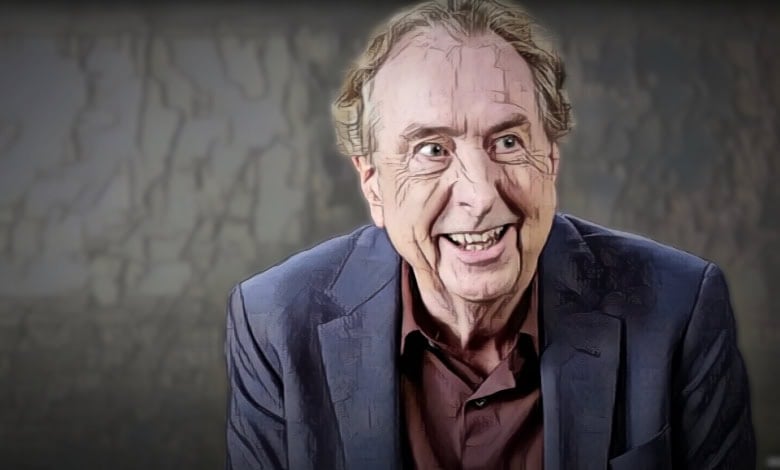
Recent revelations about Eric Idle, a founding member of Monty Python, highlight this dilemma. He’s now consulting his daughter and goddaughter before performing, seeking their approval on whether jokes might cause offense. This isn’t about refining material; it’s about preemptively avoiding potential outrage.
A Generation Gap in Humor
It’s understandable that an 82-year-old comedian might need a little help navigating the sensitivities of a younger audience.Though,relying on a “woke check” before every joke feels… constricting. You might wonder if this approach stems from a genuine desire to connect with a modern audience or a fear of being ”canceled.”
This situation echoes a broader trend. Consider Bill Burr’s admission that his wife reviews his jokes, or the examples of Jimmy Kimmel and Howard Stern embracing more progressive viewpoints after years of pushing boundaries. These shifts aren’t accidental. They’re strategic maneuvers in a landscape where a single misstep can trigger a social media firestorm.
The Cost of Compliance
What’s lost when comedians begin to police their own thoughts? The answer is simple: risk. Great comedy often comes from challenging norms, poking fun at uncomfortable truths, and venturing into territory that makes people think. When you eliminate the possibility of offense, you also eliminate the potential for genuine insight and laughter.
It’s a slippery slope. Once you start tailoring your material to appease the most easily offended, you’re no longer creating art; you’re crafting a carefully curated image.This isn’t comedy; it’s compliance.
A Divided House
the reaction to Idle’s approach is telling. While some applaud his willingness to adapt, others see it as a betrayal of comedic principles. Websites once dedicated to celebrating edgy humor are now praising those who self-censor. This division reveals a fundamental disagreement about the purpose of comedy.
Is comedy meant to comfort or challenge?
Should comedians be held accountable for causing offense?
* Where does artistic freedom end and social responsibility begin?
These are complex questions with no easy answers.
The Future of Funny
The current climate is undeniably challenging for comedians. The pressure to conform is immense, and the consequences of straying from the accepted narrative can be severe. Though,it’s crucial to remember that comedy has always been a form of social commentary.You deserve to hear jokes that push boundaries,provoke thought,and maybe even make you a little uncomfortable. A world where comedians are afraid to speak their minds is a world where laughter loses it’s power.
Ultimately,the future of comedy depends on whether artists are willing to risk offense in pursuit of truth and humor. It’s a risk worth taking.


