
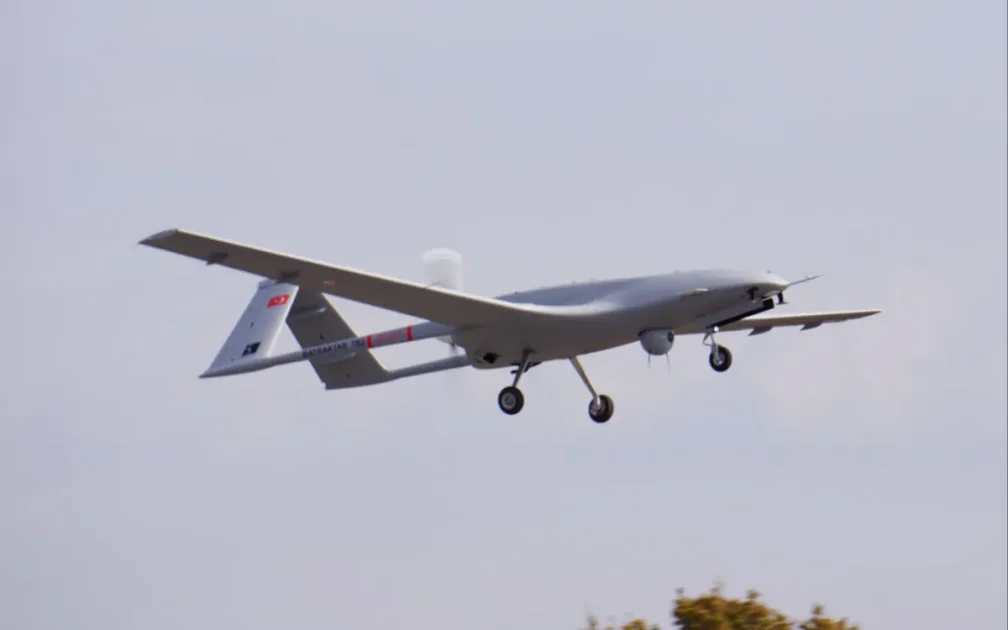
Benslimane, Morocco – A new era in Moroccan defense capabilities is on the horizon with the establishment of a drone manufacturing facility in Benslimane, a project spearheaded by Atlas Défense, a subsidiary of Turkish defense giant Baykar. This development marks a significant step towards greater autonomy in the Kingdom’s strategic defense sector and a reduction in reliance on foreign suppliers. The facility, slated to be operational in 2026, is poised to not only maintain existing drone fleets but similarly to design and produce advanced unmanned aerial vehicles (UAVs) tailored to the specific needs of the Royal Armed Forces.
The move reflects a broader trend of military modernization within Morocco, with defense spending reaching over 133 billion Moroccan Dirham (approximately $13 billion USD) in 2025, according to industry reports. Baykar’s investment aligns with a growing demand for UAVs across Africa and the Middle East, and underscores Morocco’s ambition to become a regional hub for drone technology. This initiative isn’t simply about acquiring technology; it’s about building a sovereign defense industry capable of responding to evolving regional security challenges.
A Strategic Shift Towards Defense Independence
For years, Morocco has relied on external sources for its defense needs. The establishment of the Benslimane facility represents a deliberate effort to reverse this trend and foster a self-sufficient defense ecosystem. The project’s core lies in a substantial technology transfer agreement between Turkey and Morocco, aiming to cultivate local expertise in critical areas such as avionics, control systems, and secure communications. Atlas Défense intends to prioritize the recruitment and training of Moroccan engineers and technicians, effectively building a national talent pool capable of sustaining and innovating within the defense sector.
This isn’t merely about assembling drones; the plan encompasses the entire lifecycle of UAV technology, from design and manufacturing to maintenance and upgrades. The facility is expected to focus on the production, design, and maintenance of unmanned aerial vehicles (UAVs), alongside the development of electronic, optical, and mechanical systems for defense applications, including surveillance and reconnaissance, as reported by North Africa Post. The long-term vision extends to the development of advanced drone models, including long-range loitering munitions – often referred to as “kamikaze drones” – further enhancing Morocco’s offensive and defensive capabilities.
Baykar and Atlas Défense: The Partnership Driving Innovation
Baykar, renowned for its Bayraktar TB2 drones which have seen extensive use in various conflicts, has already supplied Morocco with several units since 2021, bolstering the Royal Armed Forces’ capabilities, particularly in the Sahara region. The creation of Atlas Défense as Baykar’s Moroccan subsidiary formalizes this partnership and provides a dedicated structure for the Benslimane project. The company’s recruitment drive, as highlighted by Bladi.net, signals a rapid acceleration of the project’s implementation.
Industry sources suggest that the Benslimane facility could eventually produce more sophisticated models, such as the Akinci and Kizilelma stealth UCAV, positioning Morocco as a key player in regional drone technology. The Akinci, a high-altitude long-endurance (HALE) UCAV, is capable of carrying a substantial payload, while the Kizilelma is a stealthy unmanned combat aerial vehicle currently under development by Baykar. The potential production of these advanced systems would significantly elevate Morocco’s military capabilities and influence within the region.
Impact on Regional Security and the Moroccan Economy
The establishment of a domestic drone manufacturing capability has far-reaching implications for regional security dynamics. By reducing its dependence on foreign arms suppliers, Morocco gains greater control over its defense posture and can respond more effectively to emerging threats. The facility’s development of advanced drone technologies, including loitering munitions, enhances Morocco’s ability to project power and deter potential adversaries. This is particularly relevant given the ongoing geopolitical complexities in North Africa and the Sahel region.
Beyond the military implications, the Benslimane project is expected to generate significant economic benefits for Morocco. The creation of Atlas Défense and the associated manufacturing facility will create numerous skilled jobs for Moroccan citizens. The technology transfer component of the project will foster innovation and contribute to the development of a high-tech industrial base. This, in turn, will attract further investment and strengthen Morocco’s position as a regional economic hub. The project also aligns with Morocco’s broader strategy to diversify its economy and reduce its reliance on traditional sectors.
The Role of Technology Transfer
A cornerstone of the Benslimane initiative is the ambitious technology transfer program between Ankara and Rabat. This program aims to equip Moroccan engineers and technicians with the knowledge and skills necessary to operate, maintain, and eventually innovate upon the drone technologies being introduced. The focus areas include avionics – the electronic systems used to operate aircraft – control systems, and secure communications, all of which are critical components of modern UAV technology. By building this internal expertise, Morocco aims to transform itself into a technological powerhouse in the defense sector.
This transfer of knowledge isn’t a one-way street. Morocco’s own engineering talent and industrial capabilities will contribute to the ongoing development of drone technologies, creating a synergistic relationship between the two countries. The collaboration is expected to foster innovation and lead to the development of customized drone solutions tailored to the specific operational requirements of the Moroccan military. This collaborative approach is a key factor in the long-term success of the project.
Looking Ahead: Operational Readiness and Future Expansion
With the facility slated to become operational in 2026, the focus is now on finalizing the infrastructure, completing the recruitment of skilled personnel, and establishing robust supply chains. The initial phase will likely concentrate on the maintenance and upgrade of existing Bayraktar TB2 drones, gradually transitioning to the production of new UAV models. The development of long-range loitering munitions is also a key priority, as these systems offer a significant tactical advantage in modern warfare.
The success of the Benslimane project will depend on several factors, including the effective implementation of the technology transfer program, the ability to attract and retain skilled personnel, and the establishment of strong partnerships with local suppliers. However, the commitment from both the Moroccan and Turkish governments, coupled with the strategic importance of the project, suggests a high probability of success. The facility’s long-term expansion will likely involve the development of even more advanced drone technologies and the integration of artificial intelligence and machine learning capabilities.
The next key milestone will be the completion of the facility’s construction and the commencement of full-scale production in 2026. Further updates on the project’s progress, including details on specific drone models being produced and the number of jobs created, are expected to be released by Atlas Défense and the Moroccan government in the coming months. Stay tuned to World Today Journal for continued coverage of this developing story.
What are your thoughts on Morocco’s growing defense industry? Share your comments below and join the conversation.


